2026 Top Commercial Glass Doors Buyer Guide Questions?
In the world of commercial spaces, the choice of commercial glass doors plays a crucial role. These doors not only enhance aesthetics but also improve functionality. When selecting the right doors, buyers face a myriad of questions and uncertainties. Understanding different styles, materials, and security features can make the decision overwhelming.
Many buyers don't realize how vital the right glass door is to their business image. A well-designed door can attract customers, while a poorly chosen door may deter them. It's essential to focus on quality and durability. Cost is often a significant concern, but investing in high-quality commercial glass doors can save money in the long run. Buyers should consider warranties and customer service when making decisions.
Navigating this complex market requires expertise and careful thought. Buyers might overlook certain details that can impact their purchase. The aim of this guide is to address common questions and provide valuable insights. Ultimately, the right commercial glass door can elevate a business's presence and performance.
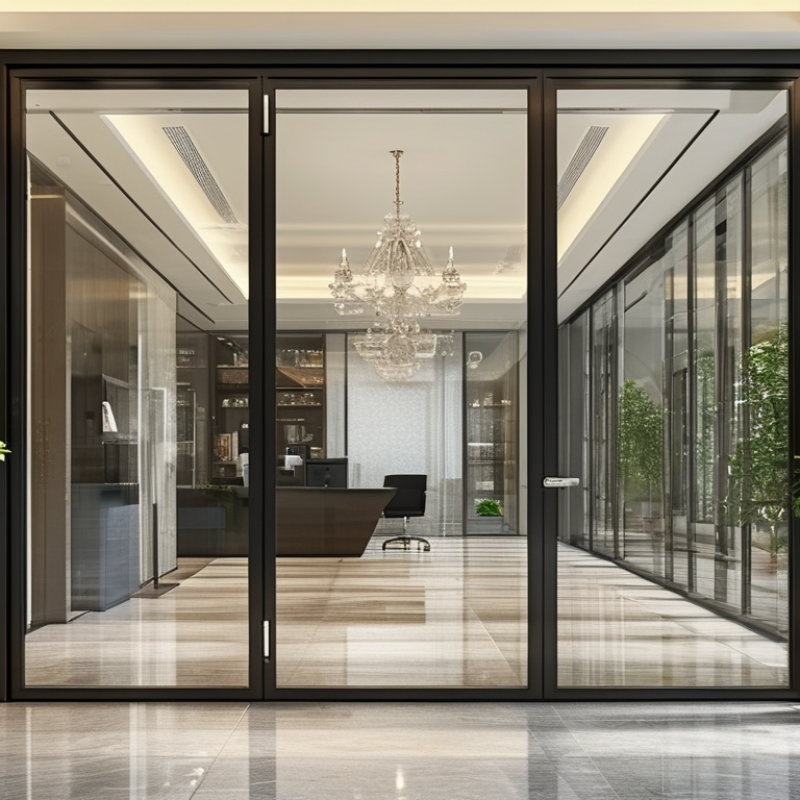
Understanding Different Types of Commercial Glass Doors Available in 2026
When exploring commercial glass doors in 2026, it’s essential to understand the variety available. These doors range from sliding glass models to folding and automatic options. Each type has specific benefits for business spaces. For example, sliding doors save space and allow for easy access. Folding doors enhance viewing and create a wider opening. Automatic doors are especially useful for high-traffic areas and promote a seamless entry.
Choosing the right type requires consideration of your business needs. Think about the location and usage frequency. Is the area prone to heavy foot traffic? Are aesthetics a priority? The type of glass also matters. Tempered glass offers strength while maintaining clarity. Low-emissivity (low-e) glass improves energy efficiency, reducing heating and cooling costs.
However, making a decision can be overwhelming. Often, businesses overlook the importance of maintenance. Regular upkeep is vital for longevity and appearance. Cost is another factor that can mislead buyers. Investing in quality could save money in the long run, but budget constraints can be tricky. Business owners should evaluate their choices carefully and consider long-term impacts. This thoughtful approach can ensure the best fit for their needs.
Key Features to Consider When Selecting Commercial Glass Doors
When selecting commercial glass doors, several key features warrant careful consideration. Security is paramount. According to a study by the American Glass Association, over 40% of property crimes involve break-ins through unsecured glass entrances. Opting for tempered or laminated glass significantly enhances safety. This type of glass is designed to withstand force, making it a wise choice for high-traffic areas.
Energy efficiency also plays a crucial role. The U.S. Department of Energy reports that commercial buildings can lose up to 30% of their heating and cooling energy through poorly insulated doors. Look for doors with low-emissivity (Low-E) glass, which minimizes heat transfer while maintaining visibility. This investment not only reduces energy bills but also contributes to a greener environment.
Aesthetics shouldn’t be overlooked. The design of your glass doors can greatly influence customer perceptions. A well-chosen style can enhance the brand image and attract more foot traffic. However, it's important to strike a balance between design and functionality. Sometimes, the most visually appealing option may lack the durability required for daily use. Therefore, prioritizing high-quality materials that also offer visual appeal can be a challenge that requires thoughtful consideration.
Comparing Costs: Budgeting for Your Commercial Glass Door Purchase
When budgeting for commercial glass doors, it’s essential to evaluate various cost factors. Pricing can vary significantly based on size, material, and customization. Basic models may start around $1,000. More elaborate designs, however, can quickly climb to several thousand dollars. This broad range means planning ahead is crucial. Consider not just the upfront costs but also long-term expenses like maintenance and energy efficiency.
Additionally, installation costs should not be overlooked. Hiring a professional may seem pricey, often ranging from $500 to $2,500, depending on the complexity of the installation. DIY options can save money but require skill and time. It’s worth reflecting on whether to invest in quality now or face higher costs later due to frequent replacements.
Don’t forget about permits or other regulatory fees. Local codes may influence what materials you can use. Those considerations can add to your overall budget. Some buyers focus solely on initial price tags, but long-term value is what truly counts. Balancing initial costs against future savings will lead to wiser purchasing decisions.
2026 Top Commercial Glass Doors Buyer Guide Questions? - Comparing Costs: Budgeting for Your Commercial Glass Door Purchase
| Type of Glass Door |
Average Cost ($) |
Installation Cost ($) |
Energy Efficiency Rating |
Warranty (Years) |
| Single Glass Door |
1,000 |
200 |
Standard |
1 |
| Double Glass Door |
1,500 |
250 |
High |
2 |
| Sliding Glass Door |
2,000 |
300 |
Very High |
5 |
| Automatic Glass Door |
3,000 |
400 |
High |
3 |
| Bi-Folding Glass Door |
2,500 |
350 |
High |
4 |
Installation and Maintenance Tips for Long-Lasting Glass Door Performance
When installing glass doors, proper techniques ensure longevity. Measure the opening accurately. Small errors can lead to increased stress on the glass and potential breakage. Use high-quality seals and frames. According to industry data, sealed units can reduce energy loss by up to 30%. This translates to significant savings over time.
Regular maintenance is essential. Inspect seals for wear every six months. Replace any damaged seals promptly to prevent moisture intrusion. Minimal leaks can lead to greater issues, such as mold growth or frame deterioration. A report from the Glass Association highlights that routine checks can extend door lifespan by about 20%. Cleaning is another critical factor. Use non-abrasive solutions. Harsh chemicals can damage finishes and seals, compromising performance.
Despite these measures, issues might still arise. Glass doors can chip or crack from impacts. Addressing these problems swiftly is imperative. Consider consulting professionals for repairs. They bring expertise that can improve door function and appearance. Balancing maintenance and professional oversight can create a reliable and visually appealing entryway.
Safety and Security Considerations for Commercial Glass Doors in 2026
When considering commercial glass doors in 2026, safety and security become paramount. High-quality glass doors can enhance the aesthetic appeal of a business while ensuring protection. Selecting tempered or laminated glass increases resistance to breakage. Such materials can deter intruders and minimize hazards during accidents. Investing in advanced locking systems can further bolster security, safeguarding assets and occupants.
However, businesses must also consider potential vulnerabilities. Even the strongest glass can be compromised if not installed properly. Gaps or misalignments may create points of weakness. Regular maintenance is crucial to identify these issues early on. Additionally, glass doors should be designed to meet safety regulations to protect against injuries. Proper signage indicating the door's presence is essential to prevent accidents, especially in high-traffic areas.
Integration of technology can enhance security features. Smart locks and surveillance systems provide real-time monitoring. In turn, this creates a safer environment for employees and customers alike. Continuous assessment of security measures is necessary as threats evolve. Staying informed about new technologies and methodologies can make a significant difference in overall safety.

 Questions? Give Us A Call!