2026 Top Home Doors Which Are Best for Global Buyers?
Choosing the best home doors in 2026 will require more than comparing colors, prices, and online reviews. Buyers must examine climate, security, insulation, maintenance, installation quality, and local building requirements. Grand View Research valued the global doors market at approximately USD 140 billion in 2023. Its assessment also projects steady growth through 2030. That expansion reflects urban construction, renovation demand, smart-home adoption, and stronger interest in energy efficiency. Still, market growth does not guarantee a suitable purchase.
Performance matters at the threshold.
A fiberglass door may resist moisture better than untreated timber in humid regions. A thermally broken steel door can improve comfort in colder climates. Smart locks add convenience, but they still depend on power, connectivity, and careful installation. ASSA ABLOY President and CEO Nico Delvaux has said, “Access solutions are an important part of our daily lives.” That observation fits modern home doors, where security and everyday usability increasingly overlap. The International Energy Agency reports that buildings consume about 30% of global final energy. Doors are only one part of the building envelope, but poor sealing can create noticeable drafts and heat loss.
This guide compares leading door types for global buyers in 2026. It considers materials, weather resistance, security features, lifecycle value, and replacement support. No ranking can suit every household. A premium door can still perform poorly when fitted badly. That limitation deserves attention. Country-specific standards, coastal exposure, extreme temperatures, and installer skills may change the final choice. Reliable decisions should combine manufacturer documentation, independent testing, professional advice, and real-world experience.
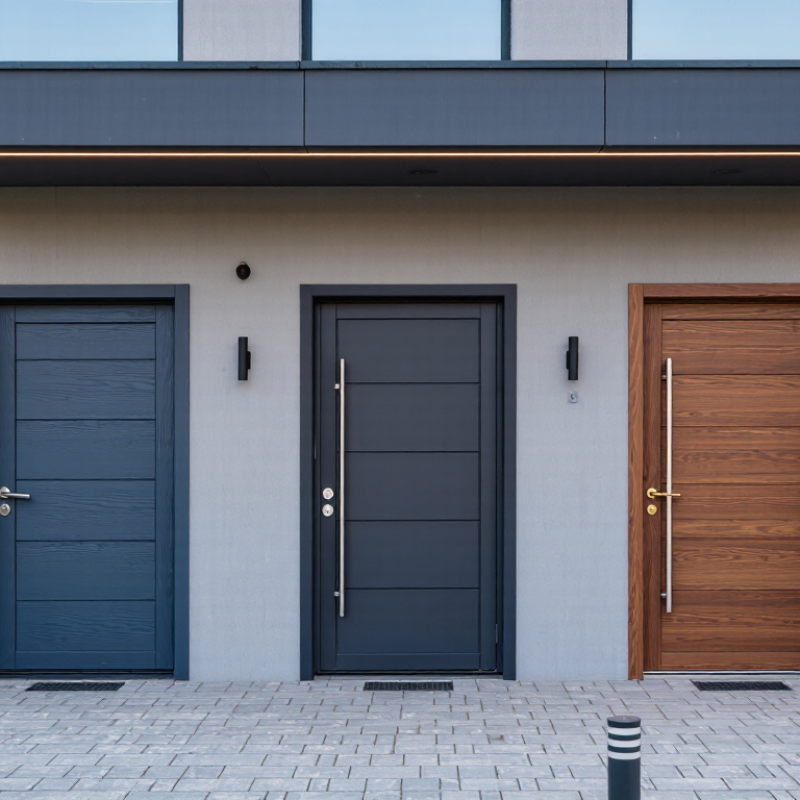
Home Door Types and Their Best Uses in 2026
Home Door Types and Their Best Uses in 2026
Home doors now require more than attractive finishes. They must match climate, security needs, airflow, and daily use. The International Energy Agency reports that buildings consume about 30% of global final energy. Door selection therefore affects comfort and long-term operating costs.
Fiberglass and composite doors suit humid, coastal, or rainy regions. They resist swelling better than untreated timber. Steel doors provide strong security for urban entrances, but exposed surfaces can heat quickly in hot climates.
Solid timber offers warmth and repairability, although it needs careful sealing in wet locations. Aluminum doors work well for wide openings and modern homes. However, poor thermal breaks may create uncomfortable indoor temperatures.
Glazed doors
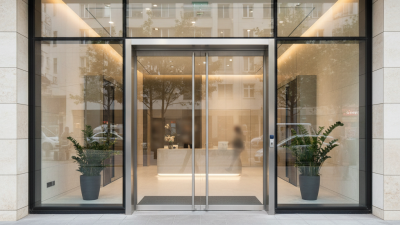
Glazed doors can bring useful daylight into living areas. The U.S. Department of Energy states that windows can cause 25–30% of residential heating and cooling energy use. Large glazed doors deserve the same scrutiny. Buyers should request U-values, solar heat gain data, and tested air-leakage results. Labels alone are not enough.
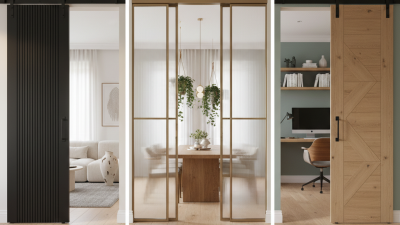
Fire-rated doors belong near garages, utility rooms, and protected escape routes, where local certification matters. Sliding doors save space, while hinged doors usually provide stronger perimeter sealing. I would not choose a beautiful door before checking frame quality, threshold drainage, and replacement hardware availability. Installation errors remain common. A high-performance door can still fail when its frame is poorly aligned or its seal is compressed unevenly.
Key Materials, Designs, and Performance Features
2026 Top Home Doors Which Are Best for Global Buyers?
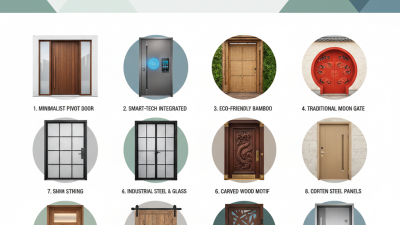
In 2026, the best home door depends on climate, construction, and daily use. Material choice starts with local weather. Solid timber offers warmth and natural texture, but it needs careful sealing in humid regions. Engineered wood can resist movement better. Aluminum suits coastal homes when it has a reliable protective finish. Fiberglass performs well where moisture and temperature changes are severe. It can imitate wood without demanding the same maintenance.
Design should support real routines, not only photographs. Wide hinged doors help moving furniture, while sliding systems save space in compact homes. Frosted or low-emissivity glass can bring daylight while improving privacy and heat control. Flush panels create a clean appearance, though visible dust may show more easily. I would not choose a large glass area without checking solar exposure, cleaning access, and impact requirements.
Performance details deserve close attention. Review the door’s U-value, air leakage, water resistance, and tested wind load. A tight compression seal can reduce drafts, but poor installation may cancel that benefit. Adjustable hinges, a durable threshold, and corrosion-resistant hardware matter in daily use. Multi-point locking can improve security when correctly fitted. Check local building codes, fire ratings, accessibility rules, and independent test documents before ordering. A beautiful door can still feel wrong. This is where many buyers, including experienced ones, underestimate installation quality.
How to Compare Security, Energy Efficiency, and Durability
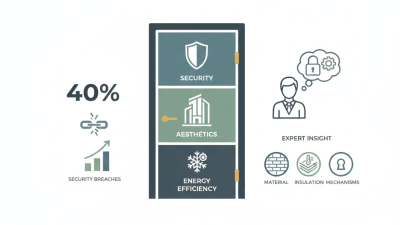
For global buyers, a door should be compared as part of the building envelope, not as a decorative panel. The IEA’s 2023 Global Status Report states that buildings use about 30% of global final energy and produce around 26% of energy-related emissions. A poorly sealed entrance can increase drafts, moisture, and indoor discomfort. Check the complete U-value, air leakage rate, frame material, and threshold design. A low U-value helps, but it does not solve every problem.
Security requires more than a thick slab. Review the cylinder, hinge protection, multi-point locking system, and tested resistance class. European Standard EN 1627 evaluates doors against forced-entry resistance, while regional standards may use different testing methods. Durability also matters. Look for documented cycle tests, corrosion testing, water penetration results, and warranty conditions. In coastal climates, ordinary metal finishes may deteriorate quickly. In field inspections, small installation gaps often matter more than impressive product claims. That is easy to overlook.
Tips:
Ask for independent test reports, not only sales specifications. Compare U-values in the same units. Confirm the rating applies to the full door assembly. Inspect seals for compression and replacement access. Consider local wind, rain, heat, and salt exposure. The best choice may not be the most expensive one. It should fit the climate, wall construction, and installer’s skill.
Best Home Door Choices for Different Global Climates
2026 Top Home Doors: Best Choices for Different Global Climates
Choosing a home door should begin with climate, not appearance. In humid tropical regions, fiberglass or treated hardwood doors resist swelling, insects, and frequent rain. A raised threshold and tight weather seals help keep water outside. Ventilation panels can improve airflow, but they need fine screens against insects.
Cold climates demand strong insulation. Look for doors with a low heat-transfer core, insulated frames, and double sealing layers. These details reduce drafts around the edges.
In hot, dry regions, a well-finished wood door can perform well when protected from intense sunlight. Metal doors may also work, but their surfaces can become extremely hot.
Coastal homes need corrosion-resistant hardware and careful maintenance because salt air attacks hinges and locks.
Tips: Check the door’s exposure before buying. A sheltered entrance needs less protection than a west-facing doorway. Measure the frame twice. Small errors cause large installation problems. Ask a qualified installer about local wind, moisture, and insulation requirements. Climate guides are useful, but they cannot replace an on-site inspection. Even durable materials fail when drainage is poor. That lesson is easy to overlook.