
2026 Top YH Umbrella Types for Global Buyers?

Global umbrella buying is becoming more technical, regional, and climate-aware. Grand View Research’s Umbrellas Market Size, Share & Trends Analysis Report identifies growing interest in compact, automatic, and multifunctional designs. Its findings support a clear market shift toward products that combine portability, durability, and everyday convenience.

Weather evidence strengthens that direction. The World Meteorological Organization’s State of the Global Climate report highlights continuing climate volatility and more frequent extreme rainfall in several regions. For importers, this means a low-cost folding umbrella may not satisfy every market. A commuter in London may need wind resistance, while a buyer in Singapore may prioritize rapid drying and mold-resistant materials. Hot-climate markets may value UV protection more than storm performance.

This guide examines the 2026 Top YH Umbrella Types for Global Buyers through practical purchasing criteria. These include frame strength, canopy fabric, opening mechanisms, handle comfort, packaging, replacement parts, and documented quality controls. YH Umbrella can be assessed across folding, golf, inverted, transparent, children’s, UV-protection, and promotional categories.

No single report captures every buyer’s reality. That gap matters. Regional rainfall, shipping costs, retail expectations, and product-use habits can change the best choice. Some highly advertised features may also offer limited value outside their target climate. Buyers should verify test methods, material specifications, supplier consistency, and sample performance before placing large orders. The following overview combines industry research with realistic sourcing considerations, while recognizing that umbrella performance depends on both design and use.
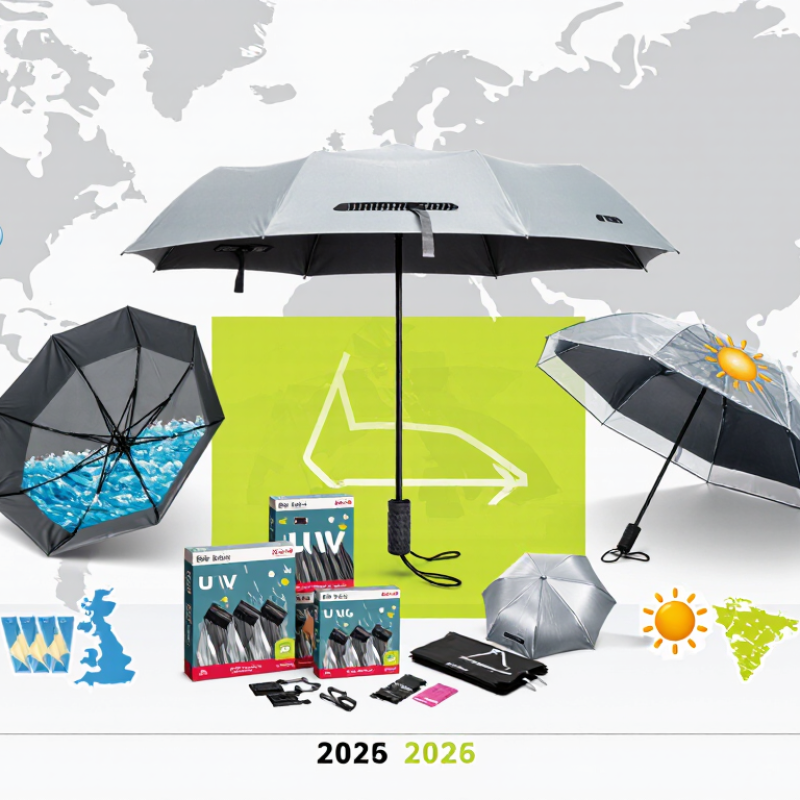
2026 Top YH Umbrella Types for Global Buyers?

What Are YH Umbrellas and How Are They Classified?

2026 Top YH Umbrella Types for Global Buyers

What Are YH Umbrellas and How Are They Classified?

“YH umbrella” is not a universally recognized technical standard. In many sourcing discussions, YH describes umbrellas grouped by handle design, opening system, or factory model code. Buyers should request drawings, samples, and specifications before confirming this label. The term can sound precise. It often is not.

A practical classification begins with operation. Manual umbrellas use a sliding runner and suit simple, economical orders. Automatic-open models use a spring-loaded shaft for quicker deployment. Automatic open-close models add a release button and folding mechanism. YH designs can also be sorted by structure, including straight, folding, double-fold, and compact travel umbrellas. Canopy diameter, rib count, shaft material, and handle shape reveal more than the YH name.

Market data supports careful segmentation. Grand View Research estimated the global umbrella market at roughly US$7.5 billion in 2023, with continued growth expected through 2030. IMARC’s industry analysis also identifies promotional, travel, and rain-protection uses as important demand areas. These reports measure different market scopes, so their figures should not be treated as identical. That limitation matters.

Experienced buyers should compare packed length, open diameter, fabric weight, wind-test results, and coating performance. A polyester canopy may resist light rain, yet it is not automatically waterproof. Fiberglass ribs can reduce metal fatigue, but quality varies sharply between suppliers. No single classification is perfect. Sample testing remains necessary.

Which YH Umbrella Types Suit Different Weather Conditions?

Umbrella choice should follow the weather, not only the selling season. For light rain and daily commuting, a compact umbrella with a polyester canopy offers practical portability. A manual opening system can reduce mechanical failure during frequent use. Check the shaft, ribs, stitching, and handle before ordering in bulk. Small defects often become expensive complaints.

Heavy rain requires a larger canopy and a firm, water-resistant fabric. A golf-style umbrella covers two people, luggage, or a child beside an adult. However, it needs more storage space. For windy coastal areas, choose a vented canopy with flexible fiberglass ribs. The vents release trapped air and may reduce inversion. They do not make the umbrella storm-proof. No umbrella performs perfectly.

For strong sunlight, a UV-protective canopy with a reflective coating can improve comfort. A clear dome design suits crowded streets because it preserves side visibility during rain. In snowy or freezing regions, test the opening mechanism at low temperatures. Plastic parts can become stiff and brittle. Buyers should request sample testing, canopy color checks, and repeated open-close trials. I have learned that attractive samples can hide weak joints. A weather chart helps, but local user feedback matters more.

How Do YH Umbrella Designs Compare in Features and Uses?

Umbrella designs differ most in structure, not decoration. For urban commuters, compact folding models fit handbags and carry-on luggage. Short ribs reduce storage space, but they may feel less stable during strong gusts. Automatic opening adds convenience near train doors or crowded sidewalks. Yet the release button can be awkward when gloves are wet. Small details matter.

Full-size stick umbrellas offer longer shafts, wider canopies, and steadier hand control. They suit office travel, school routes, and regular walking in open areas. Golf-style designs cover two people and resist moderate wind through reinforced frames. They are practical for outdoor venues, though bulky on public transport. Inverted umbrellas direct wet fabric inward after closing. This helps protect car seats and entry floors, but the mechanism needs careful drying.

Transparent canopies improve visibility at crossings. Shade performance depends on weave, color, and coating. Buyers should compare canopy diameter, rib material, handle grip, and drying time. Samples reveal more than catalog images. In my product checks, loose stitching and stiff hinges often appeared before fabric wear. Water-repellent coating can also weaken with repeated folding and heat exposure. No design wins every use. That limitation deserves honest consideration.

What Materials and Construction Standards Define Quality YH Umbrellas?

2026 Top YH Umbrella Types for Global Buyers?

Quality YH umbrellas begin with materials that survive repeated folding, rain, and sudden wind. Polyester pongee remains common because it balances low weight, color stability, and water resistance. A tighter weave usually creates a smoother canopy surface. Fiberglass ribs flex instead of snapping, while aluminum shafts reduce carrying weight. However, cheap fiberglass can still split at the joints. Material labels alone cannot prove durability.

ISO 5912:2022 specifies performance and test methods for mechanical and automatic umbrellas. It addresses opening, closing, corrosion, fabric leakage, and structural strength. Buyers should request test records, not only laboratory claims. The umbrella market was estimated above 7 billion U.S. dollars in a 2024 Grand View Research overview. That scale increases pressure for lower-cost construction, sometimes at the expense of hinge quality.

Look closely at the details. Reinforced canopy tips reduce tearing around rib ends. Double-stitched seams help prevent small leaks after repeated use. A smooth runner should move without grinding or excessive looseness. Independent checks under ISO 5912:2022 can reveal weak frames that showroom handling misses. Wind performance also needs practical testing, because standardized conditions may not reflect coastal storms. There is no perfect umbrella. A lighter frame often sacrifices stiffness, and a stronger frame may feel inconveniently heavy.

2026 Top YH Umbrella Types for Global Buyers: Materials and Construction Standards That Define Quality

Material selection affects umbrella weight, flexibility, corrosion resistance, and durability. The chart compares typical room-temperature densities of materials commonly used in canopy fabrics, ribs, shafts, and frame components.

Lower-density materials such as nylon, polyester, fiberglass, and carbon-fiber composites can support lighter travel and folding umbrellas. Aluminum provides a balance of low weight and stiffness, while steel offers higher density and rigidity. For quality verification, buyers should request fabric water-resistance testing such as ISO 811 hydrostatic pressure testing and ISO 4920 spray testing, together with checks for frame corrosion, rib fatigue, seam strength, and opening-cycle durability. Density values are approximate material reference values and are not pass/fail quality ratings.

How Can Global Buyers Choose the Right YH Umbrella Supplier?

Choosing the right YH umbrella supplier starts with the product, not the catalog image. Compare folding, golf, straight, and children’s umbrellas by use case. A commuter may need a compact frame, while a resort buyer may prefer a wide canopy. Samples reveal more. Open each umbrella repeatedly, inspect the ribs, and check whether the handle feels secure after wet handling. Small details often predict customer complaints.

A reliable supplier should explain fabric weight, frame materials, printing limits, packaging, and production capacity. Ask for recent quality records, sample approval procedures, and inspection photos from finished orders. For global shipments, request documentation relevant to each target market.

Confirm labeling, packaging dimensions, carton strength, and delivery terms before placing a large order. Do not guess. Clear written specifications reduce expensive misunderstandings.

Price still matters, but the lowest quotation is not always the strongest choice. In supplier evaluations, compare total value, including defect rates, replacement support, lead time, and communication speed. Ask how the supplier handles broken ribs, color variation, or late production. Their answer shows practical experience. A factory may promise fast output, yet weak inspection can damage an entire seasonal launch. I have also seen buyers overtest samples and undercheck packaging, which is an easy mistake to repeat. A useful supplier welcomes questions, reports limitations honestly, and provides a realistic production schedule rather than an impressive promise.

Questions? Give Us A Call!