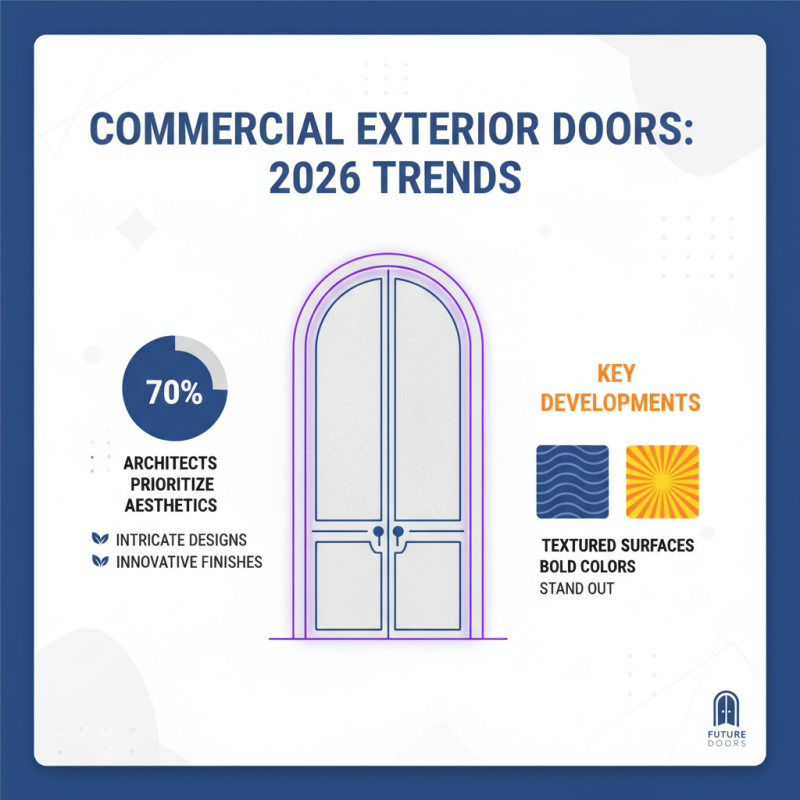
2026 Top Trends in Commercial Exterior Doors You Need to Know?
As we look ahead to 2026, the landscape of commercial exterior doors is evolving rapidly. Businesses increasingly rely on these doors not only for security but also for aesthetics and energy efficiency. The choices available today reflect innovations in materials, design, and technology.
Key trends are reshaping the market. Enhanced security features are a must. Robust locking systems and durable materials are vital for protecting assets. Additionally, energy-efficient designs can significantly reduce costs. Commercial exterior doors now incorporate features that maintain temperature and lower energy consumption.
However, it's important to reflect on the implications of these trends. Choosing the right commercial exterior doors requires careful planning. Whether it’s style, functionality, or budget, every decision counts. This exploration of trends aims to guide you in making informed choices that will last for years.
Emerging Materials and Their Impact on Commercial Exterior Doors
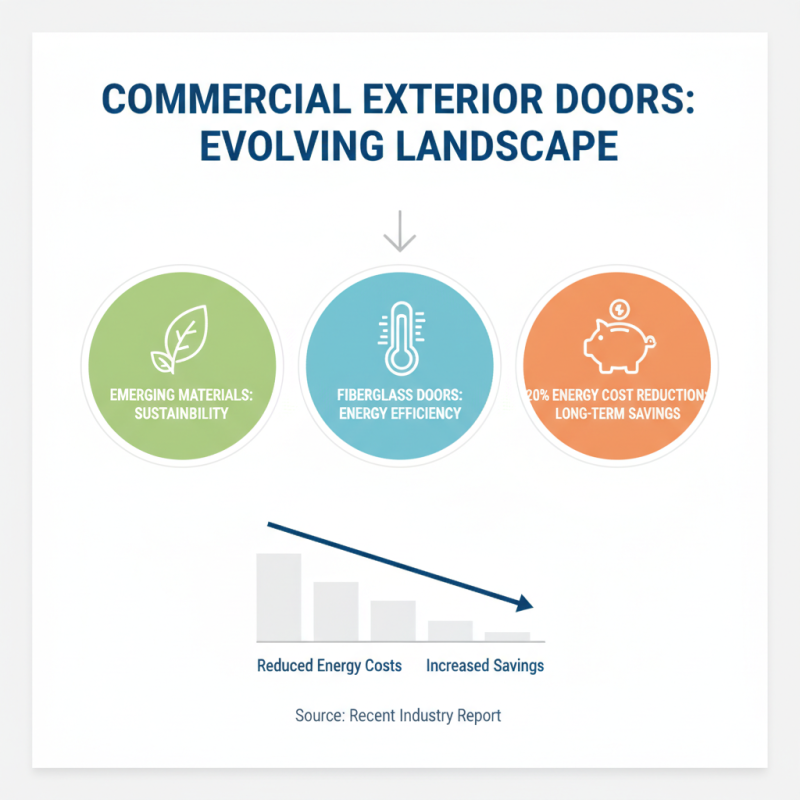
The landscape of commercial exterior doors is evolving rapidly. Emerging materials are making waves in design, functionality, and sustainability. For example, fiberglass doors are gaining traction. They offer superior energy efficiency. According to a recent industry report, fiberglass can reduce energy costs by 20%. This is a significant consideration for businesses focused on long-term savings.
Metal doors still hold a strong position. However, the introduction of composite materials is challenging this norm. Composites can provide durability while being lighter. This change enhances installation efficiency. But some questions remain. Are composites strong enough for high-traffic areas? This uncertainty may deter some property managers from making the switch.
Sustainability is also a driving force. Many companies are prioritizing eco-friendly materials. Over 30% of decision-makers now prefer sustainable options. This trend is reflected in how doors are manufactured and sourced. Still, the industry must ensure these materials maintain performance standards. Balancing sustainability with durability is crucial. The future of commercial exterior doors hinges on these evolving material choices.
Innovative Security Features for Enhanced Safety in Exterior Doors
In 2026, commercial exterior doors will prioritize security more than ever. The trend of integrating technology into these doors is growing. Reports indicate that about 70% of businesses are implementing advanced security systems. These systems can deter unauthorized access effectively. Real-time alerts and monitoring will become standard features.
Innovative materials are crucial for enhancing safety. Testing shows that reinforced steel can withstand extreme forces. This upgrade aligns with the expected rise in theft rates. Studies predict commercial property crimes may increase by 12% over the next few years. Businesses must consider durability alongside aesthetics in their choices.
Yet, challenges remain. Companies may hesitate to invest in high-tech security due to costs. However, the potential loss from security breaches can far exceed initial expenses. Understanding the risks tied to inadequate security measures is vital. As technology evolves, so must our strategies to safeguard commercial properties effectively. Balancing cost and security will define the choices made in door designs going forward.
2026 Top Trends in Commercial Exterior Doors You Need to Know
| Trend |
Description |
Innovative Security Features |
Benefit |
| Smart Locks |
Utilizing digital locks that can be controlled via smartphone |
Remote access, notifications, and audit trails |
Enhanced access control and monitoring |
| Reinforced Materials |
Doors made from impact-resistant composite materials |
Increased resistance against forced entry |
Improved safety and durability |
| Biometric Systems |
Facial recognition or fingerprint systems for door access |
High-security access based on unique biometric identifiers |
Maximized security through personal identification |
| Integrated Alarms |
Doors with built-in alarm systems that trigger on tampering |
Instant alerts to security personnel or owners |
Increased immediate response to security breaches |
| Energy Efficiency |
Proper insulation and automated systems to minimize energy loss |
Smart sensors for temperature monitoring |
Reduction of energy costs and environmental impact |
Sustainable Practices in the Production of Commercial Exterior Doors
Sustainable practices in the production of commercial exterior doors have become essential. The industry is shifting towards eco-friendly materials. Recycled metals and sustainable wood are gaining popularity. These options reduce waste and minimize environmental impact. Manufacturers are now exploring innovative ways to use renewable resources. This can include bamboo or reclaimed wood, which are both durable and stylish.
Energy efficiency is another focus. Companies are designing doors that enhance insulation. Better insulation means lower energy bills. However, not all manufacturers meet these efficiency standards. There are still gaps in quality that need addressing. Some doors may look appealing but fail in energy performance. It's crucial for buyers to be diligent and conduct thorough research.
Moreover, transparency in production is vital. Many consumers prefer knowing the origins of the materials used. This desire for knowledge often leads to increased accountability. Yet, some brands don’t fully disclose their processes. This creates a challenge for responsible consumers. Understanding where and how products are made is still a work in progress in the industry.
2026 Top Trends in Commercial Exterior Doors
This bar chart represents the trends in sustainable practices for the production of commercial exterior doors. The data showcases the percentage of manufacturers adopting these sustainable practices over the years 2022 to 2026.
Technological Advancements Influencing Door Functionality and Usage
The influence of technology on commercial exterior doors is profound.
Advancements in materials and smart technology are changing the way businesses approach door functionality.
Recent studies show that over 50% of commercial builders prioritize energy efficiency when selecting doors.
Energy-efficient doors reduce costs and enhance sustainability.
This trend reflects a growing responsibility towards environmental impact.
Smart technology is now integrated into door systems. Keyless entry, motion sensors, and facial recognition are becoming standard.
Data from industry reports indicate that 40% of new commercial doors will feature smart capabilities by 2026.
However, this shift raises concerns about security. While convenience is essential, reliance on technology presents vulnerabilities that require careful management.
The aesthetic appeal of doors is also evolving. Advanced coatings and finishes enhance durability and visual impact.
According to market research, decorative exterior doors will account for 30% of sales in the next few years.
Yet, businesses must balance aesthetics with functionality. An attractive door may not be sufficient if it fails to perform effectively in varying weather conditions or high-traffic environments.
All these changes signal a need for ongoing assessment in door selection and usage.


 Questions? Give Us A Call!