2026 Top Trends in Interior Door Installation Techniques and Innovations?
The interior door installation industry is rapidly evolving, driven by innovative technologies and consumer preferences. According to a recent report by the National Association of Home Builders, installation techniques are expected to undergo significant changes by 2026. Many experts suggest that automation and smart technology will play crucial roles in these advancements.
As homeowners seek seamless integration of design and functionality, the market for interior doors is expanding. The demand for energy-efficient, customizable options is on the rise. A survey by Door and Hardware Institute reveals that more than 70% of builders prioritize installation speed and efficiency. However, this focus on innovation can sometimes overshadow the importance of traditional craftsmanship.
Mistakes in installation can lead to costly setbacks, making training and quality assurance vital. While new trends promise efficiency, they also challenge installers to adapt. Balancing innovation with skilled labor remains a critical concern. As we look toward 2026, the intersection of technology and craftsmanship will define the future of interior door installation.
Emerging Materials for Interior Door Manufacturing in 2026
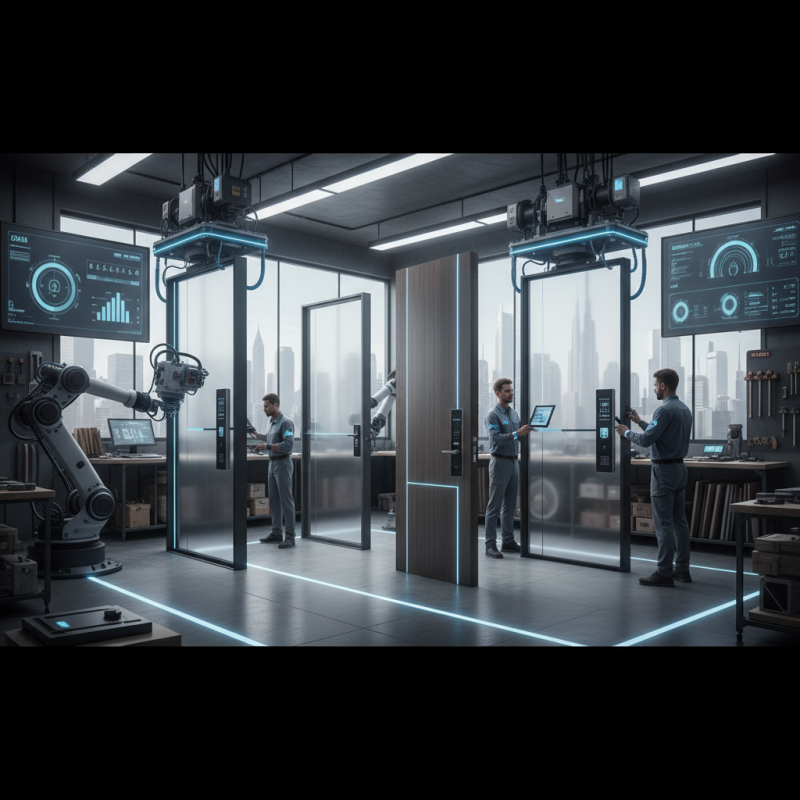
Emerging materials for interior door manufacturing in 2026 are set to transform the industry. With sustainability in focus, manufacturers are increasingly using recycled materials. According to a recent industry report, about 40% of new doors will be made from eco-friendly materials. This trend aims to reduce carbon footprints and helps conserve natural resources.
Furthermore, innovations like engineered wood composites are gaining traction. These composites are strong yet lightweight, making them ideal for modern designs. They can be molded into various shapes and sizes, offering flexibility for architects and designers. It is noteworthy that these materials often come with higher initial costs. However, they provide long-term savings through durability and reduced maintenance.
Another interesting development is the use of smart materials. These doors can respond to changes in temperature and humidity, enhancing their longevity. An estimated 25% of the doors installed in 2026 may feature such technology. Yet, the integration of technology poses challenges. Ensuring secure data transmission while maintaining user privacy remains a concern. The industry must address these evolving complexities to fully harness smart materials.
2026 Top Trends in Interior Door Installation Techniques and Innovations
| Trend/Innovation |
Description |
Emerging Material |
Sustainability Rating |
Installation Technique |
| Smart Doors |
Integration of smart technology for enhanced security and automation |
Smart Glass |
High |
Plug-and-Play installation |
| Biodegradable Materials |
Use of materials that break down naturally to reduce waste |
Bamboo Composites |
Very High |
Modular installation system |
| Magnetic Hinges |
Utilization of magnetic components for easy door access |
Recycled Metals |
Good |
Quick-attach mounting |
| Acoustic Doors |
Doors designed to reduce sound transmission |
Soundproofing Foam |
Moderate |
Seamless integration |
| Eco-Friendly Finishes |
Use of low-VOC and non-toxic coatings |
Natural Oils and Waxes |
High |
Spray or brush application |
Advancements in Door Frame Installation Techniques
Advancements in door frame installation techniques are transforming how we approach interior design. Modern methods prioritize efficiency while enhancing durability and aesthetics. Pre-hung door units are gaining popularity due to their ease of installation. These ready-to-hang options minimize on-site adjustments, saving time for installers.
New materials are also changing the landscape. Lightweight composites are increasingly common, making frames easier to handle. However, they may not always provide the same strength as traditional wood. A careful balance is necessary to ensure longevity without compromising on design. Techniques such as shimming and leveling have evolved, yet they require skilled hands to execute properly. Mistakes can lead to misaligned doors, causing frustration during use.
Additionally, the integration of technology in measuring has become a game changer. Laser levels and digital tools can provide precise measurements. While these gadgets speed up the process, they also require training. Not all installers adapt quickly to new tech, leading to inconsistent results. Embracing innovation while maintaining craftsmanship is crucial in today’s rapidly evolving field.
Smart Technology Integration in Interior Door Systems
Smart technology is changing the way we think about interior door systems. Imagine doors that respond to voice commands or mobile apps. This innovation enhances convenience and security in our homes. Smart locks can send notifications when someone enters. Adjustable lighting around the door can set the mood, too.
However, integrating this technology can be challenging. Compatibility with existing home systems is not always seamless. Poor installation can lead to frustrating experiences. Some users may struggle with the learning curve of new technology. It’s crucial to consider these aspects before diving in.
As homeowners adopt smart solutions, design takes on new significance. Doors are not just functional; they become focal points. Seamless designs that house technology are becoming more popular. Yet, the balance between aesthetics and practicality can be tricky. Designers must reflect on what truly enhances user experience. This evolution in interior door systems is exciting but requires thoughtful consideration.
2026 Top Trends in Interior Door Installation Techniques and Innovations
Sustainable Practices in Door Production and Installation
Sustainable practices in door production and installation are becoming increasingly important. Industry reports indicate that around 70% of homeowners now prioritize eco-friendly options when selecting materials. This shift directly impacts how doors are made. Manufacturers are now using recycled materials, reducing waste and emissions. For example, reclaimed wood is a popular choice. It not only minimizes deforestation but also adds unique character to doors.
Moreover, installations are evolving. Many companies are adopting modular construction techniques. This method allows for quicker assembly and less material waste. A recent study showed a 30% reduction in build time with modular approaches. However, not all installers use these methods yet. Many still rely on traditional practices, which can be wasteful.
There is a need for more training and resources to promote sustainable installation techniques.
While these innovations are promising, challenges remain. The initial costs of sustainable materials can deter some builders. In fact, a survey revealed that 40% of contractors feel environmentally friendly options are too expensive. Additionally, there's a knowledge gap in the industry about sustainable practices. Training programs are essential for bridging this gap and promoting responsible choices. Solutions exist, but the transition has hurdles.
Trends in Aesthetic Design Choices for Interior Doors
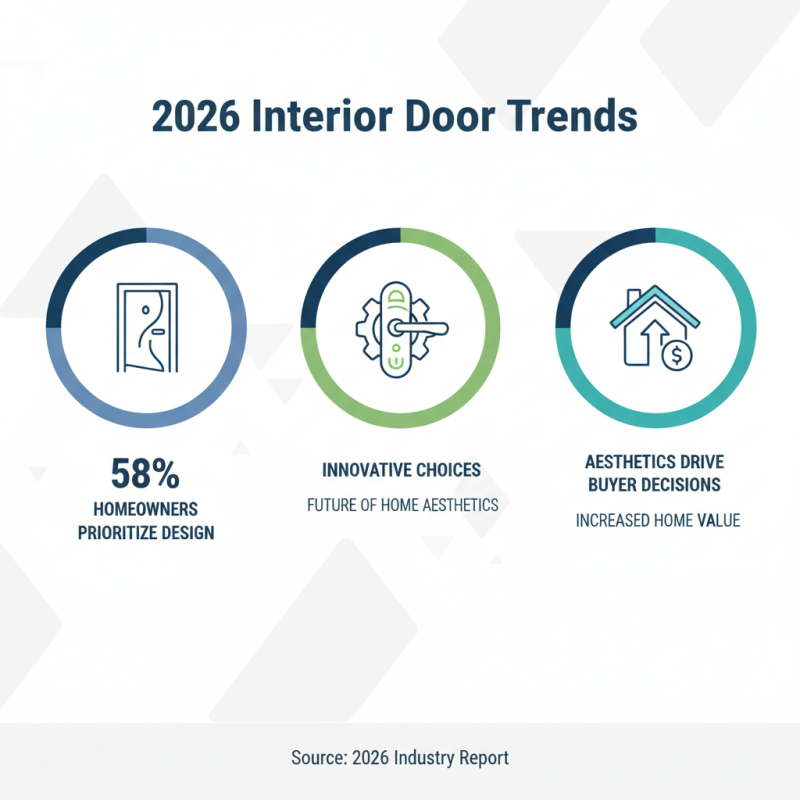
Interior doors play a vital role in home aesthetics. In 2026, the focus is on innovative design choices. A recent industry report indicates that 58% of homeowners prioritize door design when renovating. This reflects a growing trend where aesthetics significantly influence buyer decisions.
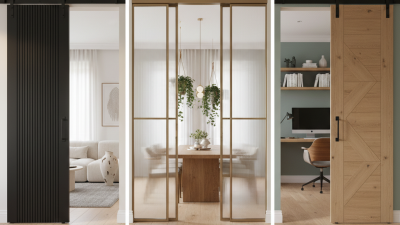
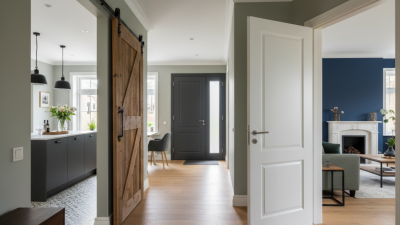
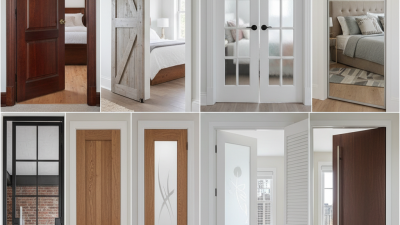
Minimalist designs are trending. Sleek lines and neutral colors dominate the scene. However, there’s a concern over monotony. Many homeowners feel that simplicity sometimes leads to blandness. Unique materials, like reclaimed wood or fiberglass, can offer a fresh take. These materials not only enhance visual appeal but also improve durability.
Moreover, custom designs are gaining popularity. Reports show that 72% of consumers are willing to invest more in personalized options. This represents a shift towards individuality. Yet, this trend prompts a need to balance customization and functionality. Some homeowners may find that highly personalized doors require more maintenance, which can be a drawback. Emphasizing practicality alongside beauty is essential in today’s market.


 Questions? Give Us A Call!