Top Benefits of Choosing Commercial Wood Doors for Your Business Needs
In today's competitive business landscape, selecting the right materials for your commercial premises can significantly impact your brand's image and operational efficiency. Among the myriad of choices available, commercial wood doors stand out for their aesthetic appeal, durability, and versatility. According to a report by the Wood Products Council, the commercial segment of the wood door market continues to expand, with projections indicating a growth rate of 3% annually through 2025. This growth is driven by the increasing demand for sustainable and eco-friendly building materials, where wood doors offer a robust solution that meets both functional and environmental standards.
In addition to their sustainability credentials, commercial wood doors also provide superior insulation properties, contributing to energy efficiency in business operations. The U.S. Department of Energy highlights that well-insulated doors can reduce energy costs by up to 30%, making them not only a stylish choice but a financially sound investment for businesses. Furthermore, the customization options available with commercial wood doors allow businesses to create a unique identity and enhance their overall aesthetic, aligning with modern architectural trends that prioritize both form and function. Thus, choosing commercial wood doors is not just a decision rooted in practicality; it is a strategic move that can influence a company's long-term success.

Advantages of Commercial Wood Doors in Business Environments
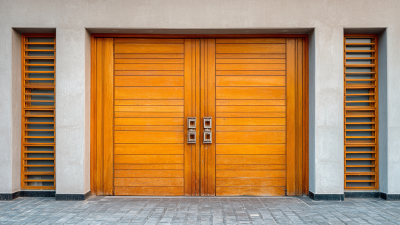
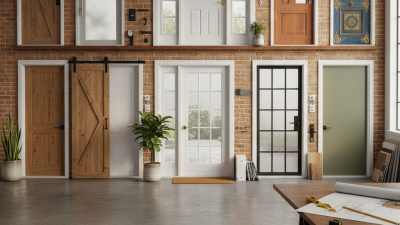
Commercial wood doors offer numerous advantages that make them an excellent choice for business environments. One of the primary benefits is their aesthetic appeal. Wood doors provide a warm and inviting look that can enhance the overall ambiance of any workspace. This natural material can be customized in various finishes and styles, allowing businesses to create a cohesive brand image and a welcoming atmosphere for clients and employees alike.
In addition to their visual benefits, commercial wood doors are known for their durability and sound insulation properties. High-quality wood is robust and can withstand the rigors of high-traffic areas, reducing the need for frequent replacements. Furthermore, their solid construction helps to minimize noise between spaces, creating a more productive work environment. This combination of style and functionality makes wood doors not only a practical choice but also a strategic investment for businesses looking to improve their facilities.
Top Benefits of Choosing Commercial Wood Doors for Your Business Needs
Durability and Longevity of Wood Doors for Commercial Use
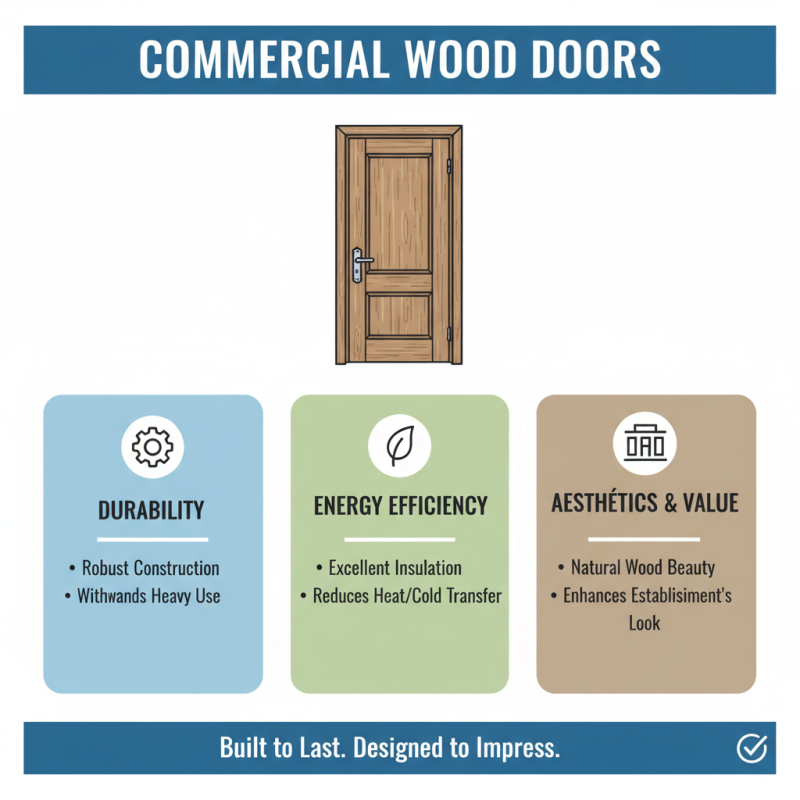
When it comes to commercial spaces, durability and longevity are paramount. Commercial wood doors stand out due to their robust construction and natural resilience. Crafted from high-quality materials, these doors can withstand daily wear and tear, making them an ideal choice for businesses that experience heavy foot traffic. Additionally, wood doors possess excellent insulation properties, contributing to energy efficiency while enhancing the overall aesthetic of your establishment.
Tips for choosing the right commercial wood doors include considering the local climate and the specific use of the area they will serve. For example, in regions with high humidity, selecting doors with appropriate finishes can help prevent warping and damage. Regular maintenance, such as sanding and sealing, can further prolong the lifespan of wood doors, ensuring they retain their beauty and functionality over time.
Another tip is to evaluate the door's construction. Solid-core wood doors generally offer better durability and soundproofing compared to hollow-core options. Assessing the door's hardware and installation methods is equally crucial, as proper fitting can prevent premature wear. By making informed decisions, businesses can enjoy the lasting benefits of commercial wood doors for years to come.
Aesthetic Appeal: Enhancing Business Image with Wood Doors
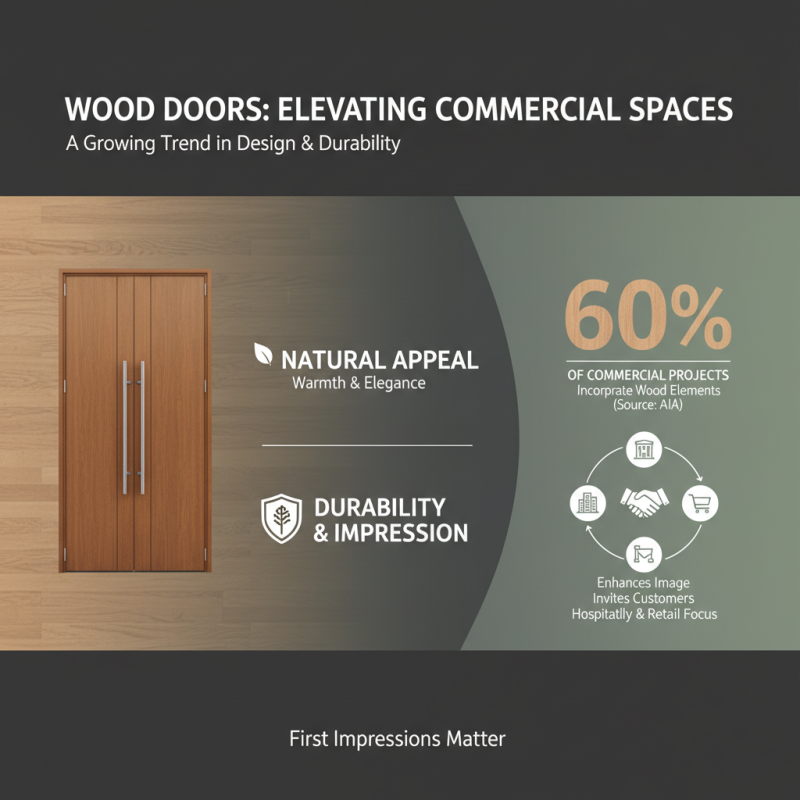
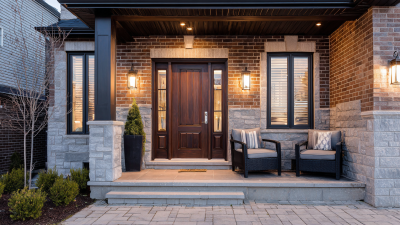
Wood doors have become increasingly popular in commercial settings, not just for their durability but also for their aesthetic appeal. According to the American Institute of Architects, nearly 60% of commercial building projects incorporate wood elements, highlighting a growing trend among businesses to enhance their image through natural materials. Wood doors serve as a focal point in any commercial space, bringing warmth and elegance that can significantly elevate the overall atmosphere. This is particularly important in industries where first impressions matter, such as hospitality and retail, where customers are drawn to inviting and visually appealing environments.
The design versatility of wood doors allows businesses to tailor their entrance to reflect their brand identity effectively. A report from the Wood Products Council indicates that establishments utilizing architectural woodwork, including wood doors, experience a 25% increase in perceived value among clients and customers. This perception is often linked to the authenticity and timelessness that wood embodies, which can instill trust and confidence in a brand. By incorporating wood doors, businesses not only enhance their visual appeal but also convey a message of quality and commitment to craftsmanship that resonates with clients and customers alike.
Insulation and Energy Efficiency Benefits of Wood Doors
When considering options for commercial doors, the insulation and energy efficiency benefits of wood doors stand out prominently. Wood naturally possesses thermal insulation properties that help maintain comfortable indoor temperatures by reducing heat transfer. This quality not only enhances the comfort of employees and customers but also minimizes the reliance on heating and cooling systems, contributing to significant energy savings over time.
Moreover, the aesthetic appeal of wood doors can complement various architectural styles while offering superior insulation performance. When properly sealed and maintained, wood doors can create a barrier against drafts, further enhancing energy efficiency. This combination of aesthetics and functionality makes wood doors an excellent choice for businesses looking to create a welcoming environment while also being mindful of energy consumption and operational costs. By investing in wood doors, businesses can achieve a balance between comfort, style, and sustainability.
Cost-Effectiveness: Long-Term Savings with Wood Door Investments
When considering the choice of commercial wood doors, one of the most compelling advantages is their cost-effectiveness, especially in terms of long-term savings. Unlike metal or fiberglass doors, wood doors possess a natural insulation quality that can lead to reduced energy costs over time. By maintaining a consistent temperature within your business space, these doors help minimize the need for excessive heating or cooling, ultimately resulting in lower utility bills. The initial investment in quality wood doors can be justified through these significant savings in energy costs.
Moreover, the durability of wood doors contributes to their long-term financial efficiency. Designed to withstand extensive use and wear, high-quality wood doors can last for decades with proper maintenance. Their resilience reduces the frequency of replacements or repairs, further enhancing your business's overall cost efficiency. In addition, wood doors can be refinished and recrafted, allowing you to update their appearance without incurring the costs of new door installations. This adaptability not only preserves the aesthetic appeal of your business but also supports your commitment to sustainability—a growing concern for many companies today.
Top Benefits of Choosing Commercial Wood Doors for Your Business Needs
| Benefits |
Description |
Long-term Savings |
Durability |
Maintenance |
| Cost-Effectiveness |
Investing in quality wood doors can reduce replacement frequency. |
Lower lifecycle costs due to longevity. |
High durability against wear and tear. |
Simple maintenance keeps them looking new. |
| Aesthetic Appeal |
Provides a warm and inviting appearance for customers. |
Enhanced customer experience can lead to increased sales. |
Resistant to fading and aging. |
Minimal upkeep needed to maintain look. |
| Energy Efficiency |
Wood doors provide better insulation than other materials. |
Lower energy bills due to better heat retention. |
Resistant to temperature fluctuations. |
Require less energy for climate control. |
| Security |
Sturdy construction provides enhanced security. |
Reduced potential loss from break-ins. |
High strength-to-weight ratio for added protection. |
Locks and hardware easily replaceable. |



 Questions? Give Us A Call!