Best Acoustic Metal Panels for Soundproofing Your Space?
In today's world, achieving optimal soundproofing in any space is crucial. Acoustic Metal Panels have emerged as a fascinating solution. Renowned acoustic expert, Dr. Emily Carter, once stated, "Acoustic Metal Panels can transform noisy environments into peaceful retreats." This emphasizes their significant role in sound management.
These panels are designed to absorb sound effectively while adding an industrial aesthetic. They can be used in various settings, from recording studios to offices, enhancing both functionality and style. However, some may wonder if they are the best choice for their specific needs. While they excel in sound absorption, they may not be the perfect fit for everyone. It's essential to consider individual requirements and existing decor.
Moreover, not all Acoustic Metal Panels are created equal. Some might lack in performance due to their construction or material quality. When selecting the right panels, thorough research is necessary. Experts recommend trying samples before making a final decision. Balancing aesthetics with soundproofing needs is key for a successful outcome.
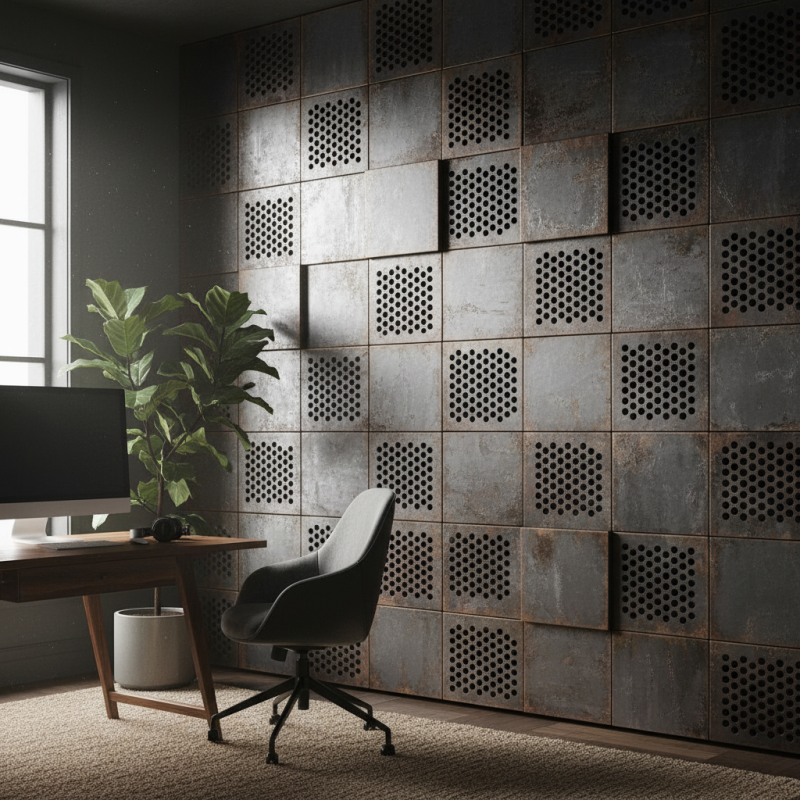
What are Acoustic Metal Panels and Their Benefits for Soundproofing?
Acoustic metal panels are specialized soundproofing solutions designed to improve acoustic comfort in various spaces. Typically made from materials like aluminum or steel, these panels act as sound absorbers and diffusers. According to a report by the Acoustical Society of America, effective soundproofing can reduce noise levels by up to 30 decibels in certain environments. This level of sound reduction can have a significant impact on productivity and comfort in offices, studios, and residential areas.
The benefits of acoustic metal panels extend beyond mere sound absorption. They are also d durable and can withstand environmental challenges better than traditional materials. Many panels are designed with aesthetics in mind, allowing them to blend seamlessly into modern architecture. However, while these panels are effective, achieving optimal soundproofing requires careful placement and consideration of the space's unique acoustics.
A study published in the Journal of Building Acoustics indicates that improper installation may lead to diminished performance, suggesting that consulting with an acoustic expert is advisable.
Incorporating acoustic metal panels into a soundproofing strategy can significantly enhance auditory privacy. Nonetheless, users should be aware of the potential for varying effectiveness based on room shape and furnishings. Striking the right balance between aesthetics and sound control will take thoughtful planning. Understanding these complexities can lead to better outcomes.
Key Features to Look for in Quality Acoustic Metal Panels
When selecting acoustic metal panels, it's crucial to consider several key features. First, look for panels with high sound absorption ratings. These ratings indicate how effectively the panels can reduce noise in a room. Consider thickness; thicker panels tend to absorb more sound. Panels ranging from 2 inches and above often provide better results in soundproofing.
Another essential feature is the material's density. Denser panels can effectively block sound transmission, making them invaluable for quieter spaces. Additionally, check the panel’s design and finish. Textured or perforated surfaces can enhance sound absorption qualities while adding aesthetic appeal. Not all panels provide the same quality. Some may look good but fall short in performance.
Lastly, installation methods should not be overlooked. Ease of installation can affect your overall soundproofing efforts. Choose panels that come with clear instructions or require minimal tools. In some cases, you might find that the setup can be more challenging than expected. Reflecting on this can help streamline your soundproofing project.
Best Acoustic Metal Panels for Soundproofing Your Space - Key Features to Look for in Quality Acoustic Metal Panels
| Panel Type | Material | Thickness | Sound Absorption Coefficient | Price Range |
| Soundproofing Panel | Aluminum Composite | 50mm | 0.85 | $150 - $200 |
| Acoustic Foam Panel | Polyurethane Foam | 30mm | 0.75 | $80 - $120 |
| Metal Sound Panel | Steel | 40mm | 0.90 | $200 - $300 |
| Perforated Acoustic Panel | Wood and Metal | 25mm | 0.70 | $100 - $150 |
Top Recommended Acoustic Metal Panels for Various Spaces
When it comes to soundproofing your space, selecting the right acoustic metal panels is crucial. These panels absorb sound and reduce noise reflections, creating a peaceful environment. They are suitable for various spaces like recording studios, offices, and home theaters. Acoustic metal panels not only look modern but also enhance acoustics effectively.
Tips for installation: - Ensure you measure the space accurately before purchasing panels. This helps in avoiding gaps and ensures a snug fit.
- It is also important to consider the panel's thickness; thicker panels usually provide better sound absorption.
- Proper placement is vital. Position the panels on walls opposite to sound sources for maximum effect.
In open areas, consider using a combination of suspended panels and wall-mounted options. Combining different types allows for better control over sound. If you’re facing issues with excessive echo, try installing bass traps in corners. Remember, achieving perfect acoustics might require some trial and error. Adjusting panel location based on your specific space needs can lead to better results. Maintaining a balance between aesthetics and functionality is key.
Installation Tips for Optimal Performance of Acoustic Metal Panels
When installing acoustic metal panels, proper placement is crucial for achieving optimal soundproofing. Research indicates that sound waves bounce off flat surfaces, leading to echo and noise pollution. Positioning panels strategically can mitigate these issues effectively. For instance, placing panels at the first reflection points can significantly reduce unwanted reverberation in a room, according to the Acoustical Society of America.
Arranging panels in a staggered pattern across walls enhances sound absorption. This layout disperses sound waves and provides a more balanced acoustic environment. It's worth noting that many installations may face challenges due to inadequate measurements or incorrect panel positioning. Ensuring accurate measurements can be time-consuming but vital for effective implementation.
Additionally, considering the height and distance between panels can influence performance. A gap of a few inches between panels allows for better wave absorption. Some installers overlook this aspect, leading to less-than-ideal results. Adhering to recommended guidelines, including proper spacing and angles, can help users avoid common pitfalls. An effective installation requires patience and attention to detail, as poor execution may negate the benefits of high-quality acoustic panels.
Sound Absorption Coefficient of Various Acoustic Metal Panels
Comparing Acoustic Metal Panels with Other Soundproofing Options
When considering soundproofing options, acoustic metal panels stand out for their unique properties. These panels, made from durable materials, offer excellent sound absorption. They can reduce echoes and improve sound clarity in a room. Unlike traditional foam panels, acoustic metal panels are robust and maintain their shape over time. This durability makes them a worthy investment.
However, they do come with some drawbacks. Installation can be more complex compared to simpler options like foam. You might need specialized tools or professionals for proper setup. Additionally, while they excel at reducing high-frequency sounds, they may not be as effective for low-frequency noises. This might lead to an uneven sound quality if not used correctly.
In comparison, materials like soft fabric panels are easier to apply. They can be cut to fit any space and don't require advanced knowledge. While they may absorb sound effectively, they can wear out quickly. Homeowners must weigh these aspects carefully. Ultimately, the choice between acoustic metal panels and other options depends on your specific needs and preferences.

 Questions? Give Us A Call!