7 Best Anatomical Specimen Suppliers for Global Buyers?
Selecting a reliable Anatomical Specimen supplier requires more than comparing catalog size or shipping prices. Universities, medical schools, research laboratories, and clinical training centers need specimens that are legally sourced, accurately documented, and suitable for their intended use. A mislabeled tissue sample can compromise an entire teaching session. Poor preservation can also obscure small structures, such as vessels, nerves, or layered muscle fibers.
Market reports show why this sector deserves careful evaluation. Grand View Research’s Anatomical Pathology Market analysis links market growth with rising diagnostic activity, laboratory investment, and advanced pathology workflows. OECD’s Health at a Glance 2023 also highlights expanding healthcare demand and differences in diagnostic capacity across countries. These trends suggest a broader need for dependable educational and research materials. They do not, however, prove that every supplier follows the same standards.
This guide examines seven anatomical specimen suppliers serving international buyers. It considers specimen quality, preservation methods, catalog transparency, export documentation, packaging, and customer support. Ethical sourcing remains central. Suppliers should demonstrate informed consent practices, institutional oversight, traceability, and compliance with applicable national and international requirements. For animal specimens, responsible sourcing and welfare documentation also matter.
Details matter. Ask whether a preserved specimen arrives in a sealed container, with labeling, handling instructions, and a verifiable chain of custody. Ask about temperature control too. Not every supplier publishes enough information. That is a weakness worth noting. Therefore, the following comparison is intended as a practical starting point, not a substitute for institutional review, legal advice, or direct supplier verification.
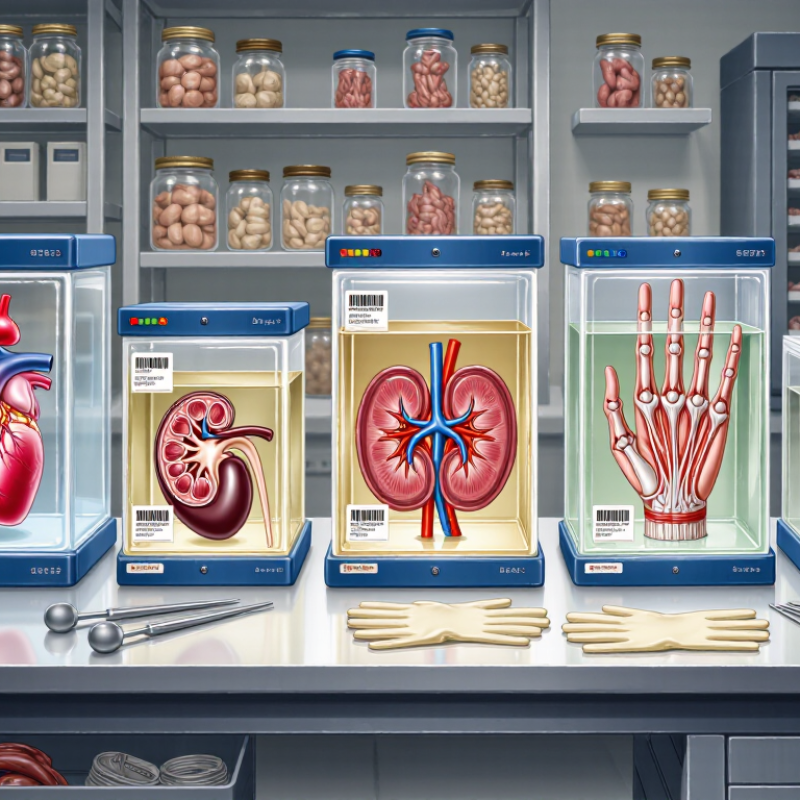
How Anatomical Specimen Suppliers Are Evaluated for Global Buyers
Global buyers should evaluate anatomical specimen suppliers through documented quality systems, not polished catalogs alone. Ask how specimens are sourced, identified, preserved, packaged, and tracked, and request records that support each step. Clear labeling matters: a mismatch between a container and its accompanying documentation can disrupt teaching schedules and create avoidable handling risks. Check whether staff receive appropriate training and whether the supplier provides usable guidance for receipt, storage, and educational use. Details reveal practice.
Logistics deserve equal scrutiny. The World Bank’s 2023 Logistics Performance Index assessed 139 economies across customs, infrastructure, shipment arrangements, logistics competence, tracking, and timeliness. Those measures offer a practical checklist when comparing suppliers serving different regions. Ask for realistic transit estimates, contingency plans for delays, and evidence that packaging has been tested for the expected route and conditions. A neat quotation is not proof of dependable delivery. Not quite. Buyers should also review communication speed, complaint handling, and the clarity of product specifications before placing an order. No supplier can remove every risk, and a short trial order may expose gaps that a lengthy questionnaire misses.
Profiles of the Seven Leading Anatomical Specimen Suppliers
A useful comparison of seven anatomical specimen supplier profiles begins with their areas of expertise, not their sales claims. University-affiliated suppliers often support teaching collections and provide detailed provenance records. Museum-focused providers may emphasize preservation quality, labeling, and long-term storage guidance. Medical education suppliers typically offer prepared specimens suited to supervised classroom demonstrations. Each profile should be judged by documentation and educational fit.
Veterinary suppliers serve animal anatomy courses, while plastination specialists provide durable, low-maintenance teaching materials. Digital-first suppliers pair physical models with imaging or online learning tools. Regional distributors may offer practical shipping support and clearer delivery timelines. Details matter. Ask about specimen origin, consent or other required authorization, preservation methods, storage conditions, and applicable permits. Reliable providers explain these points in writing and answer questions without pressure. A polished catalog is not enough. Some suppliers may have limited public information, and that deserves a closer look rather than an assumption of poor quality. Compare sample documentation, packaging standards, and support for receiving institutions before making a decision.
Representative storage setpoints for anatomical specimens (°C)
These are general reference points, not supplier-specific claims. Refrigerated storage is commonly 2–8°C; the chart uses 4°C as a representative midpoint. Appropriate conditions depend on the specimen, preservation method, and supplier’s instructions.
Specimen Types, Preservation Methods, and Quality Standards
Choosing anatomical specimen suppliers requires more than comparing catalog photos. Global buyers should identify specimen types clearly, including bones, organs, tissue sections, models, and preserved educational samples. Human materials must have documented consent, lawful transfer records, and traceable custody. Animal specimens also need appropriate permits and ethical sourcing evidence.
Preservation methods affect both appearance and training value. Formalin fixation supports long-term structural stability but may alter color and texture. Ethanol preservation can maintain useful detail, although evaporation and container seals require regular inspection. Plastination offers clean, durable handling with limited odor. Frozen specimens provide realistic tissue characteristics but demand uninterrupted cold-chain control. No method is perfect. Even experienced teams can miss small changes.
Tips: Request recent inspection images, batch records, safety data, and transport conditions. Check labels, anatomical accuracy, packaging integrity, and expiration information. Ask whether quality checks follow documented procedures, such as identity verification, contamination screening, and temperature monitoring. Independent inspection can reveal issues hidden by polished photographs. Leave room for uncertainty. A supplier’s certificate alone does not prove consistent quality. Use written acceptance criteria before ordering, and record every discrepancy when the shipment arrives.
International Regulations, Ethics, Shipping, and Documentation
Choosing among seven anatomical specimen suppliers requires more than comparing prices or catalog photos. International buyers should verify lawful sourcing, documented consent, and the specimen’s educational purpose. Human specimens require especially careful review of local regulations, institutional approvals, and cultural expectations. A supplier should provide origin records, transfer documentation, and clear chain-of-custody details.
Regulatory requirements
Regulations differ between exporting and importing countries. Buyers may need customs permits, health certificates, import declarations, or special authorizations for preserved materials. Some specimens can also require wildlife-trade documentation, depending on their origin. Never rely on a supplier’s general assurance. Ask for current documents before payment and confirm requirements with customs authorities or an experienced compliance officer.
Shipping and inspection
Shipping plans should address leakage prevention, temperature limits, packaging integrity, and emergency contacts. Labels must describe the contents accurately without creating unnecessary exposure or confusion. Delivery delays can damage fragile teaching materials, even when packaging appears professional. A written inspection procedure helps record seal condition, odors, fluid loss, and visible damage upon arrival.
Ethical procurement
Ethics should remain practical, not decorative. Consent records, respectful handling, restricted access, and secure storage should be part of routine purchasing. Digital copies of permits are useful, but some authorities require originals. No checklist is perfect. Regulations change, and I would question any supplier that avoids specific answers or pressures buyers to ship quickly. Reliable procurement often feels slower, but that delay protects institutions, staff, and the people represented by the specimens.
How to Select the Right Supplier for Your Institution
Selecting an anatomical specimen supplier starts with intended use, not a polished catalog. Confirm that each item has clear provenance, documented authorization, and records suited to your institution’s teaching or research purpose. Ask how specimens are preserved, labeled, stored, and packed for transit. A short sample record can reveal more than a sales call. Price alone misleads.
For global purchasing, check destination-country requirements and your institution’s ethics, biosafety, and import procedures before placing an order. Request written details on temperature control, packaging, delivery windows, and what happens if a shipment is delayed or arrives damaged. OECD’s Health at a Glance 2023 reports that health spending averaged 9.2% of GDP across OECD countries in 2022; while not a specimen-market measure, it underscores why procurement teams should compare total landed cost, not just unit price. Include shipping, documentation, storage, and replacement terms. ISO 20387:2018 offers a useful benchmark for consistent biobanking practices, but certification alone cannot answer every question. Ask for evidence, check references, and record unresolved gaps. Sometimes the supplier’s answer is incomplete. That matters.

 Questions? Give Us A Call!