What are the Best Commercial Exterior Doors for Your Business?
Choosing the right commercial exterior doors is vital for any business. They are often the first impression clients have of your establishment. A report by the Door and Hardware Institute states that a well-designed entrance can enhance customer confidence and increase foot traffic by up to 20%. These doors provide security, energy efficiency, and aesthetic appeal.
Expert John Smith, a leading authority in commercial door systems, emphasizes this: "The right commercial exterior doors are more than just functional; they are key to your branding." Selecting doors that reflect your company's identity is essential. Businesses often overlook the importance of durability and style, leading to costly replacements.
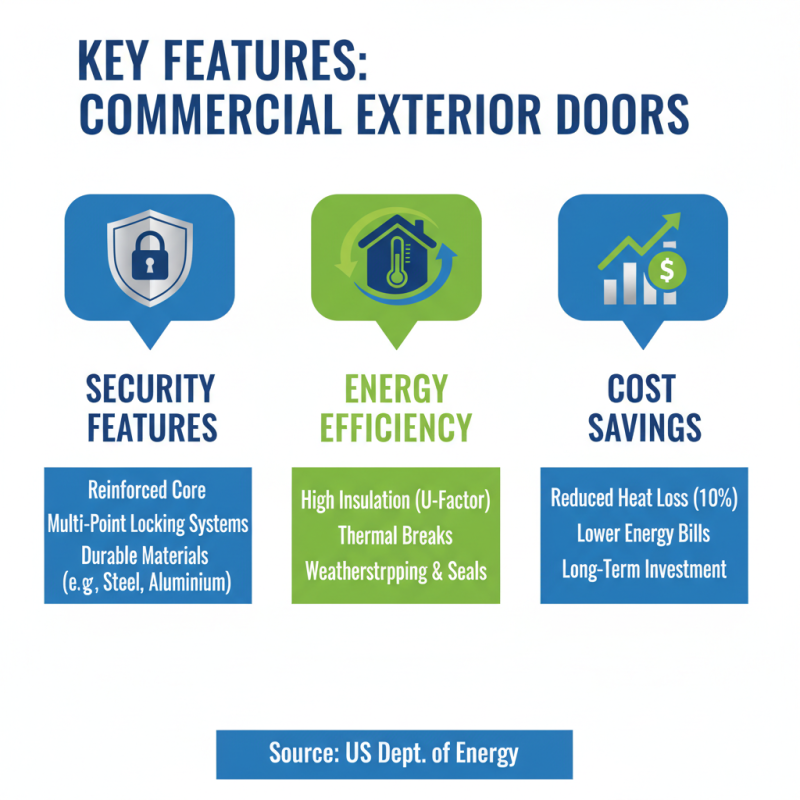
Additionally, many organizations fail to consider energy efficiency when choosing commercial exterior doors. A study by the U.S. Department of Energy highlights that energy-efficient doors can reduce heating and cooling costs by as much as 15%. Businesses should prioritize longevity and insulation when making their choice, avoiding impulsive decisions that could impact their bottom line.
Types of Commercial Exterior Doors Available for Businesses
When choosing commercial exterior doors, various types are available to suit different business needs. Steel doors offer excellent durability and security, making them ideal for high-traffic areas. According to industry reports, about 60% of businesses prefer steel doors for their robustness. These doors are resistant to weather and can withstand heavy impacts, which is essential in commercial settings.
Another popular option is fiberglass doors. These doors combine aesthetics with practicality. They are lightweight, energy-efficient, and resistant to dents and scratches. Businesses focusing on energy savings can benefit here, as fiberglass doors can reduce heating and cooling costs by approximately 15%. However, they may not be as vandal-resistant as steel options, which is a consideration for some establishments.
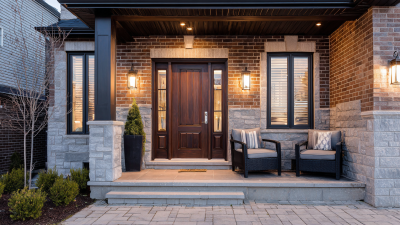
Wood doors add a touch of elegance, but they require more maintenance. They are often sought after by businesses in hospitality or retail that wish to create a welcoming atmosphere. The National Association of Home Builders reports that wood doors can last up to 30 years with proper care. Yet, neglecting maintenance can lead to warping and decay, posing long-term issues. Each type presents unique advantages and challenges, so businesses must assess their specific requirements and environments carefully.
Material Comparisons: Wood, Metal, Fiberglass, and Glass Variants
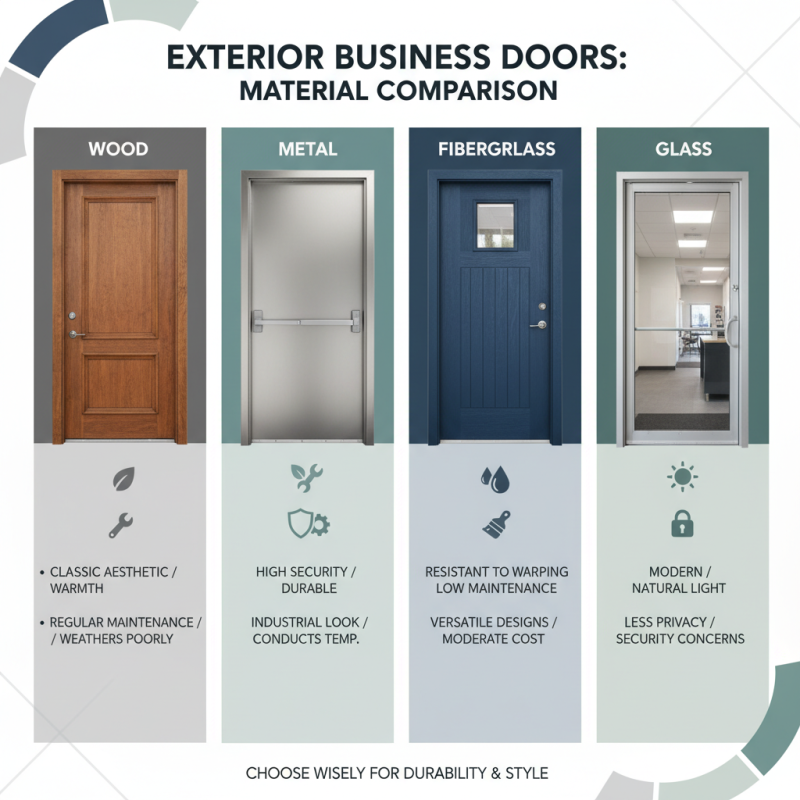
When considering exterior doors for your business, material choice is crucial. Wood doors offer a classic aesthetic, exuding warmth. However, they require regular maintenance to prevent warping and fading. Over time, wood may not withstand harsh weather as well as other materials. It's essential to weigh the beauty against the upkeep.
Metal doors, on the other hand, provide durability and security. They're less prone to dents and can withstand severe weather conditions. However, they can lack aesthetic appeal if not designed well. Proper insulation is also essential with metal doors to enhance energy efficiency. Fiberglass doors sit in the middle, offering strength like metal but with the visual appeal of wood. They are energy-efficient and require less maintenance, yet they can be more susceptible to chipping or cracking.
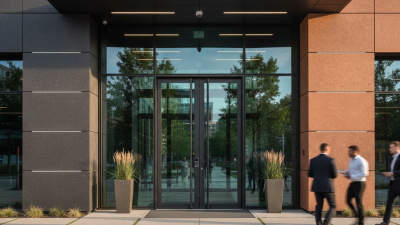
Glass doors are visually striking and can invite natural light, creating a welcoming environment. Unfortunately, they often lack privacy and may raise security concerns. Additionally, thermal insulation can be an issue unless treated properly. Each material has its pros and cons. Reflecting on your business needs is vital to make the best choice. Balancing form and function should guide your decision.
Energy Efficiency and Weather Resistance in Commercial Doors
When selecting exterior doors for your business, energy efficiency and weather resistance are critical factors. According to the U.S. Department of Energy, doors account for nearly 15% of a building's energy loss. Properly insulated commercial doors can significantly decrease heating and cooling costs. For example, doors with an R-value of 5 or higher can reduce energy consumption, saving businesses thousands annually.
Weather resistance is also essential, especially in regions that face extreme climates. A study by the National Institute of Standards and Technology highlights that unprotected doors can lead to moisture intrusion and deterioration. Commercial doors that possess weather-stripping, thermal breaks, and durable materials can withstand harsh conditions. This is crucial for maintaining structural integrity and comfort inside the building.
Selecting the right doors involves careful consideration of both energy performance and durability. While cost is often a primary concern, investing in high-quality doors may lead to lower maintenance costs over time. Not all doors perform equally, and insufficient research can lead to unintended consequences. Therefore, aligning door specifications with the specific needs of your business ensures long-term benefits.
What are the Best Commercial Exterior Doors for Your Business? - Energy Efficiency and Weather Resistance in Commercial Doors
| Door Type |
Material |
Energy Efficiency Rating |
Weather Resistance |
Best For |
| Steel Doors |
Steel |
R-Value 14 |
High Wind & Impact Rating |
High Security Areas |
| Fiberglass Doors |
Fiberglass |
R-Value 20+ |
Excellent Weather Resistant |
Coastal Areas |
| Aluminum Doors |
Aluminum |
R-Value 10-15 |
Moderate Weather Resistance |
Retail Fronts |
| Wood Doors |
Wood |
R-Value 5-8 |
Low Weather Resistance |
Interior Use or Aesthetics |
| Composite Doors |
Composite Materials |
R-Value 15+ |
High Weather Resistance |
Versatile Applications |
Security Considerations for Commercial Exterior Door Selection
When selecting commercial exterior doors, security is paramount. A quality door must withstand break-ins and resist forced entries. Consider materials like steel or reinforced fiberglass. They provide durability and deter intruders. Windows in doors can be tempting for burglars. Opt for solid doors or use shatter-resistant glass to minimize this risk.
The locking mechanism is crucial. High-security locks provide greater protection. Keyless entry systems offer convenience and can be more secure. Additionally, ensure that the door frame is equally strong. A weak frame can compromise the entire door system.
Regular maintenance is essential. Inspect and replace worn-out components promptly to maintain security.
Finally, do not overlook the importance of visibility. Well-lit entrances deter potential criminals. Installing security cameras can also enhance protection. Engage with security professionals to assess your business's needs. Each establishment has unique vulnerabilities. Tailor your door selection accordingly for optimal security.

 Questions? Give Us A Call!