What is the Best Commercial Interior Doors for Your Business?
When selecting the right commercial interior doors for your business, the choices can be overwhelming. These doors are not just functional; they create an impression. A well-chosen door enhances the aesthetic and practicality of your space. From sleek glass options to sturdy wooden designs, the right door can reflect your brand's image.
Consider the various factors influencing your decision. You'll need to think about durability and style. Ask yourself how these doors will hold up under daily use. Will they provide the security your business requires? Additionally, think about the maintenance involved. Some materials may require more upkeep than others. It's crucial to weigh these aspects before making a final decision.
Remember, the goal is to balance form and function. Commercial interior doors should invite customers while offering privacy and security to your employees. Reflect on what features matter most to your business. This approach will lead you to the best choices in commercial interior doors.
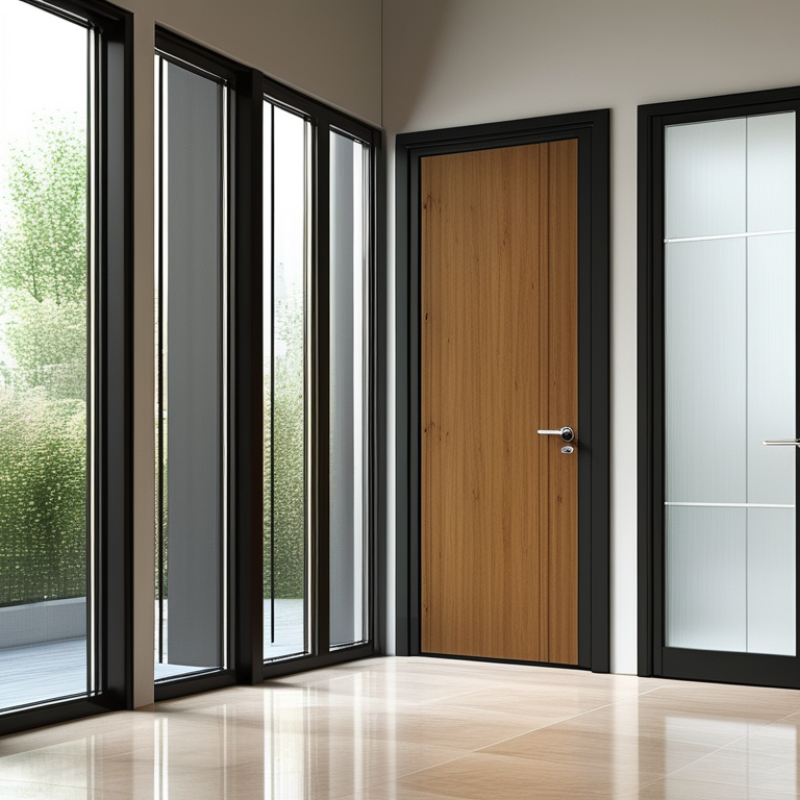
Types of Commercial Interior Doors and Their Applications
When choosing commercial interior doors, understanding the types available is crucial for your business needs. Hollow metal doors are a popular choice. They offer durability and security, making them ideal for high-traffic areas. Steel frames improve their strength, protecting against wear and tear. However, they may lack aesthetic appeal for certain environments.
Another option is the solid wood door. These doors provide a classic look and excellent sound insulation. They work well in offices where privacy is essential. However, wood doors require careful maintenance to avoid warping over time. The cost is also a factor; they can be more expensive compared to metal alternatives.
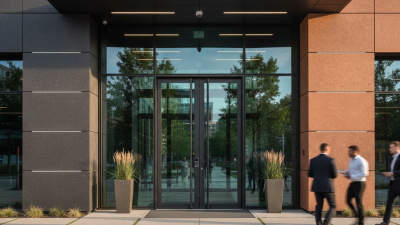
Glass doors have become increasingly popular in modern office design. They promote transparency and openness. Many companies choose them for conference rooms or reception areas. However, glass doors can raise privacy concerns. Tinted options help, but they may also reduce natural light flow. It's essential to weigh these factors based on your business environment and goals.
Types of Commercial Interior Doors and Their Applications
Factors to Consider When Choosing Commercial Interior Doors
When selecting commercial interior doors, several critical factors come into play. The door's material significantly impacts durability and aesthetics. Wood offers warmth but requires maintenance. Steel provides security but may lack visual appeal. Consider the environment; busy offices may need noise-reducing features.
Functionality is equally essential. Will the doors be used frequently? If so, choose options that can withstand heavy traffic. Think about accessibility as well. Compliant designs ensure ease of access for everyone.
In addition, look at fire ratings and energy efficiency. These factors can significantly affect safety and utility costs. Reflect on your space's style and purpose. The wrong choice can create mismatched aesthetics. Balancing function with design is often a challenge for businesses. A thoughtful selection process can enhance both productivity and client perceptions.
Materials Used in Commercial Interior Door Manufacturing
When choosing commercial interior doors, the material plays a crucial role in durability and aesthetics. Common materials used in manufacturing include solid wood, metal, and composite materials. Solid wood doors offer an elegant look and excellent insulation. However, they may require more maintenance over the years due to potential warping.
Metal doors provide a robust and modern option. According to a 2022 industry report, metal doors can last up to 3 times longer than wooden counterparts under similar conditions. They are also resistant to fire, making them ideal in environments needing enhanced safety. However, their aesthetic may not suit all business types.
Composite materials, such as engineered wood or fiberglass, have gained popularity. They combine the benefits of both wood and metal. They are lightweight yet sturdy, offering better moisture resistance. Research indicates that businesses using composite doors can experience lower long-term costs, as they often have reduced wear and tear. Still, it's essential to weigh the unique needs of each business to select the most suitable option.
What is the Best Commercial Interior Doors for Your Business? - Materials Used in Commercial Interior Door Manufacturing
| Door Material |
Durability |
Maintenance |
Cost Range |
Fire Rating |
| Solid Wood |
High |
Moderate |
$300 - $800 |
Yes |
| Hollow Metal |
Very High |
Low |
$400 - $1,000 |
Yes |
| Fiberglass |
High |
Low |
$300 - $900 |
Yes |
| Steel |
Very High |
Low |
$500 - $1,200 |
Yes |
| PVC/Plastic |
Moderate |
Very Low |
$100 - $400 |
No |
Design and Aesthetic Options for Commercial Interior Doors
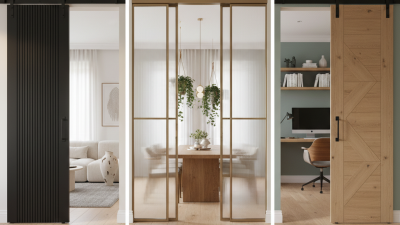
When choosing commercial interior doors, design and aesthetics are crucial. The right doors enhance the overall atmosphere of your business. Consider your brand identity and the message you want to convey. A modern office might benefit from sleek, frosted glass doors. Traditional businesses may prefer solid wood for warmth and elegance.
Tips: Assess your space before making decisions. Measure door frames and consider the flow of traffic. A well-placed door can create a welcoming environment.
Textures and colors also play a vital role. Think about how tones and materials affect mood. Bright colors energize, while softer hues can calm. Don't forget about functionality. Doors should offer sound insulation or fire resistance when necessary. Reflect on how well the door suits its purpose.
Evaluate the long-term maintenance of your choices. Some materials require more upkeep than others. A beautiful door can quickly lose its appeal if it isn't maintained properly. Strive for a balance between style and practicality. This ensures your doors remain an asset to your space.
Maintenance and Durability of Commercial Interior Doors
When selecting commercial interior doors, maintenance and durability are critical factors. The daily wear and tear in business environments can lead to costly repairs. Understanding the materials that contribute to longevity will guide your decision. Doors made from solid wood, steel, or fiberglass tend to resist damage better than hollow-core options. Each material offers unique properties, such as resistance to moisture or impact, which can be vital depending on your business's specific needs.
Regular maintenance routines can enhance the lifespan of your doors. Periodic inspections for scratches, dents, or other damage can prevent bigger issues. Simple tasks like tightening hinges or replacing weather stripping can make a substantial difference. Some premises may overlook these details, leading to deterioration. Practical considerations, such as the door's finish, also play a role. A surface that’s easy to clean and resistant to scuffs is advantageous in high-traffic situations.
A balance between aesthetics and durability is necessary. While a door may look appealing, if it requires excessive upkeep, it can hinder business operations. Choose options that blend seamlessly into your space but don’t compromise on their ability to withstand daily challenges. Reflecting on these factors can reveal insights that lead to more informed decisions, ultimately benefiting your business environment.



 Questions? Give Us A Call!