Best Residential Doors for Global Buyers in 2026?
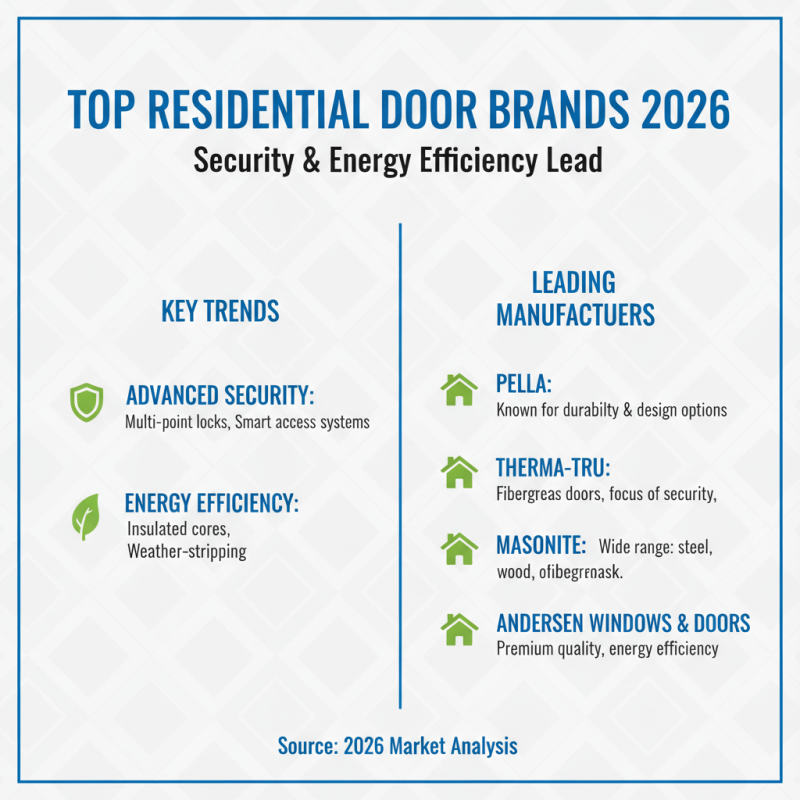
The quest for the best residential doors in 2026 is more than a trend. With evolving design choices, these doors become key to home security and aesthetics. Buyers need to consider energy efficiency and durability, alongside style.
Today's global market offers various materials. Wood, fiberglass, and steel are popular options, each with unique benefits. The right choice can significantly enhance a home's curb appeal. Nevertheless, not all residential doors prove equal in quality. Some options may lack the longevity expected, leading to costly repairs.
Buyers are encouraged to research thoroughly. Reviews and expert opinions can reveal reliable brands. Shoppers should not rush; considering long-term value is crucial. The right residential door today can shape a homeowner’s experience for years to come.
Overview of Residential Door Types and Materials for 2026
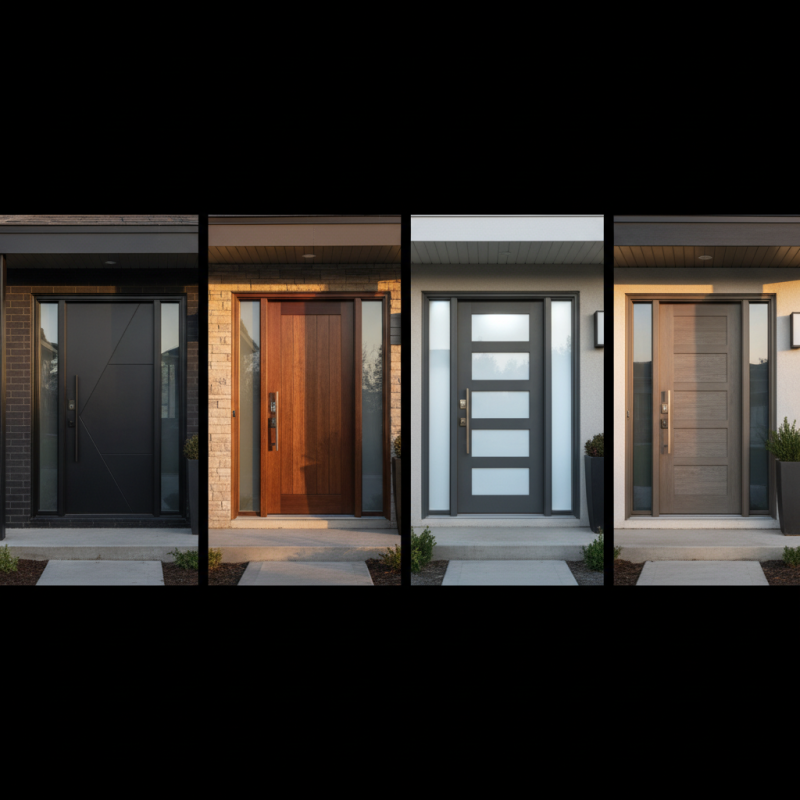
When considering residential doors for 2026, it's crucial to understand the variety of types and materials available. Traditional wood doors remain a classic choice, admired for their aesthetic appeal. These doors can provide excellent insulation and durability, but they may require regular maintenance to prevent warping or decay.
On the other hand, fiberglass doors are gaining popularity due to their energy efficiency and resistance to various weather conditions. They mimic the look of wood but are less prone to damage. Metal doors offer strength and security, making them ideal for homeowners who prioritize safety. However, they may not provide the same warmth as wood or fiberglass.
Choosing the right door often involves a trade-off between aesthetics and functionality. Many buyers grapple with the balance of style against security features. As trends evolve, some may overlook elements like ease of maintenance or proper insulation. It’s essential to reflect on personal needs and local climate conditions when selecting a door type.
Best Residential Doors for Global Buyers in 2026
Trends in Residential Door Design: A Global Perspective
The global residential door market is evolving rapidly. According to a report by Market Research Future, the sector is projected to grow over 6% annually by 2026. This growth reflects a shift towards sustainable and smart designs that cater to environmental concerns. Homeowners now seek doors made from eco-friendly materials that offer durability and aesthetic appeal.
Recent trends highlight a strong preference for minimalist aesthetics and multifunctional designs. Many homeowners opt for doors that integrate advanced technology, like smart locks and energy-efficient features. Data from Statista indicates that nearly 45% of consumers prioritize energy-saving options when selecting residential doors. This is a response to rising energy costs and climate issues.
However, while these innovations are exciting, challenges remain. Not all homes can accommodate high-tech installations, and the upfront costs may deter some buyers. Additionally, the influx of new materials, like fiberglass and composite, raises questions about longevity and maintenance. The industry still needs to balance high-tech advancements with practical applications for everyday consumers. This ongoing evolution keeps the market dynamic and competitive, drawing attention to new possibilities in residential door design.
Energy Efficiency Features in Modern Residential Doors
When considering the best residential doors for 2026, energy efficiency remains a top priority. Modern doors now come with advanced insulation features. These technologies help minimize energy loss. Homeowners can benefit from lower heating and cooling costs. The right door can enhance overall climate control.
Materials play a crucial role in energy efficiency. Fiberglass and steel are strong contenders. They offer excellent insulation properties. However, wood doors also provide aesthetic appeal but may require more maintenance. Reflecting on durability versus cost is essential. Some may overlook the importance of proper sealing and weatherstripping. These elements significantly impact a door's performance.
Another vital aspect is the design of the door. Energy-efficient doors often incorporate double or triple glazing. This technology can reduce noise pollution too. Many buyers may not realize the long-term savings that come with such investments. Quality doors provide peace of mind and energy savings. In many cases, homeowners might regret overlooking these factors. Choosing well can mean more comfort and sustainability in the years ahead.
Best Residential Doors for Global Buyers in 2026? - Energy Efficiency Features in Modern Residential Doors
| Door Type |
Material |
Energy Efficiency Rating |
U-Value (W/m²K) |
Cost Range (USD) |
| Fiberglass Entry Door |
Fiberglass |
A+ |
0.15 |
1,200 - 3,000 |
| Steel Security Door |
Steel |
A |
0.20 |
800 - 2,500 |
| Vinyl Patio Door |
Vinyl |
A |
0.25 |
600 - 1,800 |
| Wooden Front Door |
Wood |
B |
0.30 |
1,000 - 4,000 |
| Aluminum Sliding Door |
Aluminum |
B+ |
0.23 |
750 - 2,200 |
Key Factors to Consider When Choosing Residential Doors
When selecting residential doors, various key factors come into play. The global market for residential doors reached $35 billion in 2023, with a projected growth rate of 4.6% annually through 2026. This data underscores the increasing demand for quality and security in residential properties.
Material choice is pivotal. Solid wood, fiberglass, and steel are popular options. Each material offers different aesthetics, durability, and insulation properties. For instance, fiberglass doors provide excellent energy efficiency. Steel doors, while strong, may require additional treatments to resist rust. Buyers should consider climate impact; moisture-prone areas need resistant materials.
Security features are also essential. Statistics show that homes with deadbolt locks are 15 times more secure against burglary than those without. Opt for doors equipped with multi-point locking systems. Proper installation is critical to ensure these locks function optimally. What’s often overlooked is the importance of swing direction and the potential for air leaks. Attention to these details can significantly impact a home's overall energy efficiency.


 Questions? Give Us A Call!