How to Choose the Best Wood Interior Doors for Your Home?
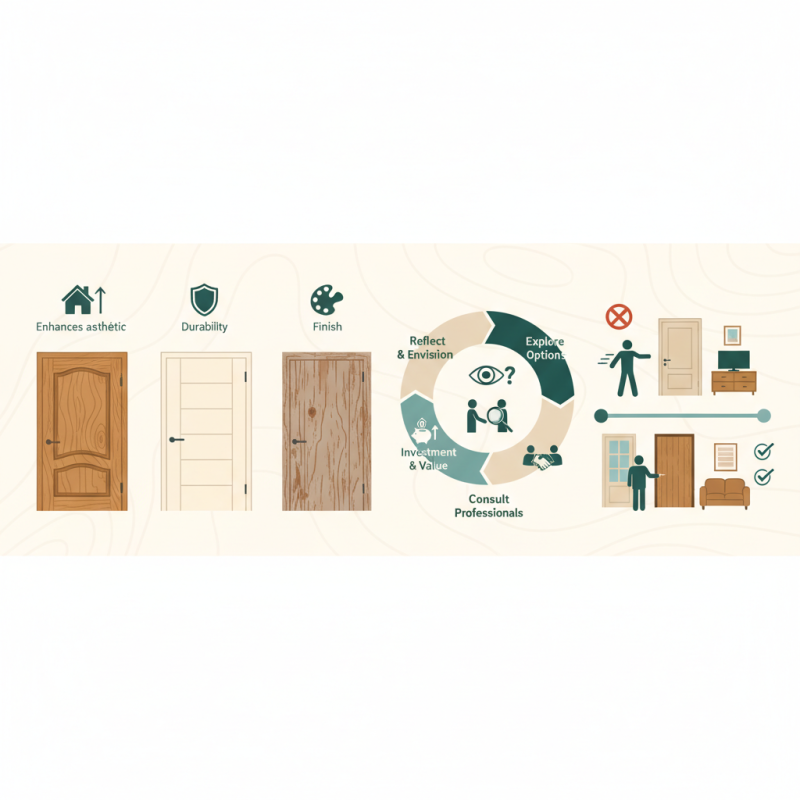
Choosing the best wood interior doors for your home can be a daunting task. According to expert John Smith, a leading specialist in home design, “The right wood interior doors can transform your space.” These doors do more than just separate rooms; they enhance the overall aesthetic of your home.
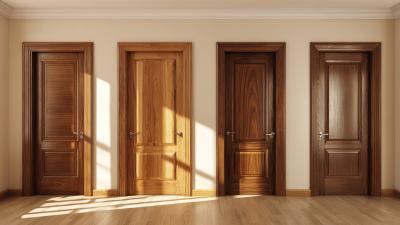
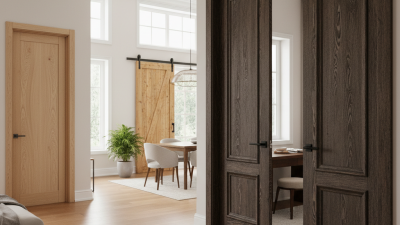
When selecting wood interior doors, consider their style, durability, and finish. Each type of wood brings its own unique character. For instance, oak provides a timeless feel, while maple offers a modern touch. Pay attention to the grain patterns and textures. A well-chosen door will complement your interior design and stand the test of time.
Yet, it's essential to remember that not every door suits every home. Sometimes, homeowners rush this decision and end up with options that do not align with their vision. It's crucial to reflect on what you truly want. Take your time to explore different choices and consult with professionals. The investment in quality wood interior doors can significantly affect your home’s ambiance and value.
Understanding Different Types of Wood for Interior Doors
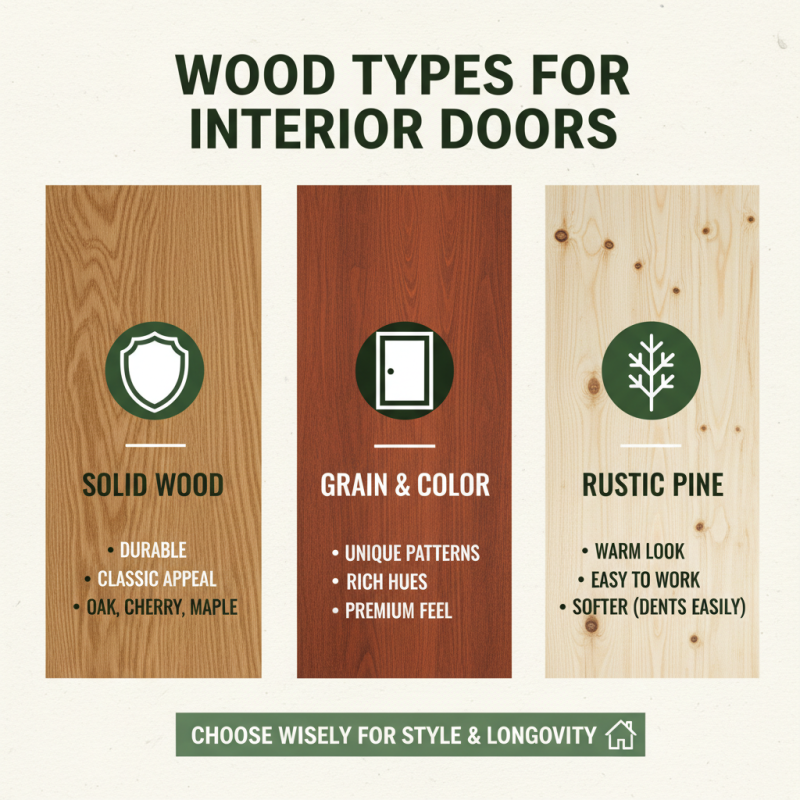
When choosing wood for interior doors, understanding the different types is essential. Various wood species offer unique benefits and aesthetics. Solid wood doors are a popular choice for their durability and classic appeal. They can be made from oak, cherry, or maple, each providing distinct grain patterns and colors. For a warm, rustic look, consider using pine. It’s softer and easier to work with, but may dent more easily.
Engineered wood doors are another option. They consist of multiple layers, providing stability and reducing the risk of warping. This makes them ideal for humid environments. However, they may lack some of the charm of solid wood. It’s important to weigh the benefits and drawbacks of each type. Solid wood doors are generally more expensive but can enhance a home's value. Conversely, engineered doors are budget-friendly, appealing to those on a tighter budget.
Think about the overall design of your space. The wood's finish can dramatically change a room's ambiance. A dark stain may create a cozy feel, while a lighter finish can brighten a space. Don't overlook the importance of proper maintenance, regardless of the type you choose. Regular care can extend the life of your doors significantly. Reflect on how these choices will affect your home’s comfort and style.
Evaluating Door Styles to Complement Your Home Decor
Choosing the right wood interior doors is more than a simple decision; it involves aligning styles with your home decor. Many styles are available, each offering its unique aesthetic. Traditional panel doors can evoke a classic charm, perfect for vintage or rustic settings. In contrast, sleek modern designs can enhance minimalist spaces, providing a clean look that feels open and airy.
When evaluating door styles, think about the overall theme of your home. If your decor is bold and colorful, a simple wood door might get lost in the vibrancy. You could opt for a stained finish that complements those bright hues. Alternatively, if your space leans toward neutral tones, you might want a door with intricate carvings. These details can serve as a focal point, drawing the eye without overwhelming the existing decor.
Despite careful planning, you may find that certain doors clash with your chosen decor over time. This mismatch can be frustrating and requires reevaluation. Sometimes, a door that seemed perfect initially may not blend well after the furniture is arranged. Don't hesitate to change it if necessary; a door should enhance your space, not detract from it. Choosing doors thoughtfully can create a
harmonious flow throughout your home.
Assessing Durability and Maintenance Requirements of Wood Doors
When selecting wood interior doors, durability and maintenance are key factors. Wood doors can last many years if properly cared for. Different species of wood offer varying levels of durability. Oak, for example, is known for its strength, while softer woods like pine may dent more easily. According to a report by the Wood Door Manufacturers Association, wooden doors can last over 30 years with adequate maintenance.
The maintenance requirements also depend on the finish used. Regular cleaning with a damp cloth helps prevent dust accumulation. Periodic refinishing, however, is necessary for long-term aesthetics and durability. Many homeowners overlook this, which can lead to wear and tear. A study from the National Wood Flooring Association indicates that untreated wood doors can show significant signs of damage within just five years.
Humidity and temperature fluctuations can impact wood longevity. It's important to maintain a consistent indoor climate. High humidity can cause warping, while dry conditions may lead to cracks. Homeowners should be aware of their local climate and consider this when choosing wood doors. Understanding these factors ensures that the investment in wood doors enhances both functionality and beauty in the long run.
Choosing the Right Size and Fit for Your Interior Spaces
Selecting the right size and fit for your wood interior doors is crucial. An ill-fitting door can create gaps, allowing drafts and noise. Pay attention to the height and width of your door frames. Double-check measurements against the manufacturer's specifications. Each home has its unique layout, so customize your choice accordingly. Sometimes, a standard size won't work, and that’s okay.
Consider the thickness of the door as well. Thicker doors typically provide better sound insulation. Additionally, measure the space around the door frame. This includes the hinges and any decorative trim. A proper fit enhances aesthetics. It also ensures easy operation. Don't overlook the door swing direction. This can significantly affect usability in tight spaces.
You may find it challenging to visualize how a new door will fit. Using painter's tape to outline the door can help. This technique offers a visual representation. It’s a simple and effective method. If you're uncertain, consulting with a professional can help guide your decision. Remember, this is a significant investment in your home. Take the time to choose wisely.
Budget Considerations for Purchasing Wood Interior Doors
When considering wood interior doors, budget plays a crucial role. The price of these doors varies significantly. Factors such as the type of wood, style, and size influence costs. A simple pine door is often more affordable than a handcrafted mahogany option. It’s essential to balance quality with cost. Higher-end materials might last longer but could strain your finances.
Assessing your budget requires reflection on what you really need. Think about the number of doors and the areas they will serve. If you're on a tight budget, you might opt for fewer high-quality doors in prominent spaces. In contrast, less visible areas can use more economical choices. Don’t forget additional costs like installation and hardware, which can add up quickly. You might have to compromise on certain aspects.
Always consider the long-term value of your investment. Cheaper options might seem tempting initially but could lead to higher costs later. Doors that warp or need frequent replacements are a burden. Prioritize durability and aesthetics. Spending a bit more now can save you hassle and money down the road. Reflect on your preferences and needs to make the best decision for your home.
Budget Considerations for Purchasing Wood Interior Doors
This bar chart illustrates the average price of various types of wood interior doors. Solid core doors tend to be the most expensive, while hollow core doors are more budget-friendly. Custom-designed doors typically have the highest cost due to personalization.



 Questions? Give Us A Call!