Why Choose Welded Steel Grating for Your Projects?
Welded Steel Grating is becoming a popular choice in various industries due to its unique properties. According to a report by Grand View Research, the global steel grating market is expected to reach $1.2 billion by 2025. This growth is driven primarily by the demand for durable and low-maintenance materials in construction and infrastructure projects.
Welded Steel Grating offers high strength and structural integrity, making it suitable for heavy-duty applications. Its design allows for efficient load distribution, reducing the risk of failure. Moreover, it is resistant to corrosion, ensuring longevity even in harsh environments. According to a study by the Industrial Metal Supply Company, grating made from high-quality steel can last over 30 years with minimal upkeep.
However, while Welded Steel Grating has many advantages, it is essential to consider its weight. This factor may complicate handling and installation. For projects requiring mobility, alternative grating types might be more suitable. Overall, Welded Steel Grating stands out for its resilience and reliability but requires thoughtful application for optimal results.
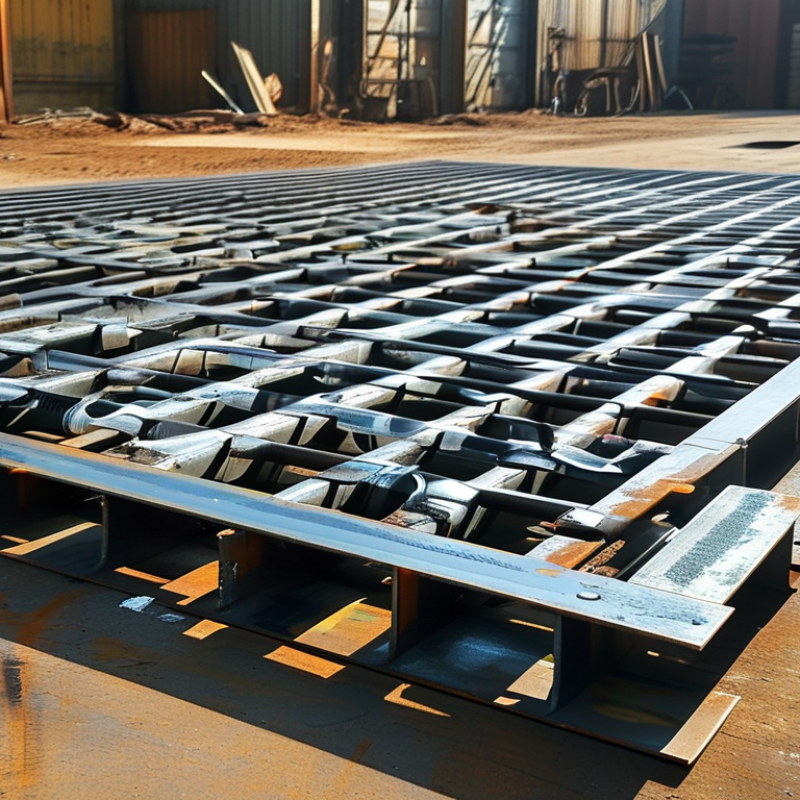
Benefits of Using Welded Steel Grating in Construction Projects
Welded steel grating is increasingly favored in construction, thanks to its durability and strength. It can handle heavy loads, making it ideal for industrial applications. According to industry reports, welded steel grating has a load capacity that can exceed 40,000 pounds, depending on its design. This strength ensures long-lasting performance in demanding environments.
Another significant advantage is its resistance to corrosion. Many projects are exposed to harsh conditions, such as chemicals or moisture. Welded steel grating maintains its integrity in these situations, reducing maintenance costs. Research indicates a lifespan that extends over 25 years with proper care. This longevity supports budget allocation for other critical areas of a project.
Tips: Always evaluate the specific requirements of your project to ensure the grating’s specifications align with your needs. Conduct a cost-benefit analysis to understand potential savings from reduced maintenance. Keep in mind, however, that while welded steel grating offers many benefits, the weight can pose challenges during installation. Careful planning is essential for success.
Durability and Strength: Why Welded Steel Grating Lasts Longer
Welded steel grating stands out for its exceptional durability and strength. A comprehensive report by the American Institute of Steel Construction reveals that welded grating can withstand high loads and harsh environments. This makes it ideal for industrial applications. Its welded structure provides superior resistance to corrosion and wear, making it a long-lasting option.
In projects exposed to heavy traffic, stress, and extreme weather, welded steel grating often lasts longer than alternatives. Studies show it can reduce maintenance costs by up to 30%. This durability stems from its robust construction. The interconnected bars offer strength at crucial stress points, ensuring reliability over time.
Tips: When choosing welded steel grating, consider the weight load specifications and environmental conditions. Regular inspections can identify wear before it leads to failure. Over time, investing in high-quality grating pays off through reduced maintenance and replacement expenses. Even minor flaws in planning can result in costly delays. Reflect on your project's unique demands to make the right choice.
Versatility of Welded Steel Grating in Various Applications
Welded steel grating stands out for its versatility in various applications. From industrial sites to commercial buildings, its robust design meets diverse needs. This type of grating provides structural support while ensuring safety and durability. It is commonly used for flooring, walkways, and even platforms. Its strength makes it suitable for heavy loads, allowing safe passage in busy environments.
In architectural designs, welded steel grating offers an open surface. This feature promotes airflow and light penetration, enhancing the aesthetic appeal of spaces. In parks, it might serve as decorative pathways, blending function with style. Yet, some projects may find it challenging to achieve optimal dimensions without precise measurements. Experience plays a key role in addressing these issues effectively.
The adaptability of welded steel grating extends to various industrial sectors. It can resist corrosion in harsh conditions, making it ideal for chemical plants. However, proper maintenance is necessary to prolong its lifespan. Choosing the right type and finish can mitigate issues related to wear and tear over time. Understanding these aspects adds value to any project.
Cost-Effectiveness of Welded Steel Grating for Industrial Use
Welded steel grating stands out for industrial applications due to its cost-effectiveness. According to recent industry reports, steel grating can reduce costs by 30% compared to other materials. This saving can be crucial for businesses managing tight budgets. Durable and strong, welded steel grating requires minimal maintenance, which further cuts long-term expenses. For instance, corrosion resistance ensures longevity, with some products lasting over 25 years.
In addition to its cost benefits, welded steel grating is versatile. It can be customized to fit various industrial environments. A study by the American Institute of Steel Construction shows that using steel grating increases safety standards by preventing slips and falls. This is essential in high-traffic areas. The upfront cost might seem higher, but the return on investment is often significant due to reduced repair costs and enhanced worker safety.
Some projects may require consulting engineers to determine the best material. It’s essential to analyze each project's unique demands. Not all situations favor welded grating, but where it works best, the financial advantages are evident. Being informed can lead to wiser decisions.
Safety Features of Welded Steel Grating in High-Traffic Areas
In high-traffic areas, safety is a crucial consideration for any project. Welded steel grating stands out due to its robust design. The structural integrity of welded steel enhances load-bearing capacity, making it ideal for industrial settings. Its slip-resistant surface plays a vital role in preventing accidents. With proper drainage, it minimizes the formation of puddles, reducing slip hazards.
When choosing welded steel grating for your project, consider the following tips. Assess the load requirements first. Understand how many people or vehicles will use that area. A heavier load requires stronger grating. Look for corrosion-resistant coating to enhance durability in harsh environments. Quality installation is essential; poorly installed grating can compromise safety.
In some cases, welded steel grating might not visually match the surrounding design. This aspect can create a perception problem. Balancing safety and aesthetics is vital. Keep in mind that safety features should never be an afterthought. The right choice in materials can significantly influence overall safety. Ensure thorough evaluations before final decisions are made.
Why Choose Welded Steel Grating for Your Projects?

 Questions? Give Us A Call!