How to Choose the Best Exterior Door for Your Home?
Choosing the right exterior door is crucial for any homeowner. An exterior door not only enhances your home’s curb appeal but also provides security and energy efficiency. With countless options available, making a decision can be overwhelming.
Consider the materials. Wood doors offer warmth but require maintenance. Steel doors are durable and secure. Fiberglass doors resist weather well. Each material has pros and cons. Think about your local climate and personal style.
The door's design matters too. From traditional to modern styles, the right choice can elevate your home’s look. Don’t forget functionality. A well-chosen exterior door should be easy to operate and fit seamlessly with your home. Reflect on your needs, and take your time. Choose wisely.
Understanding the Importance of Exterior Doors in Home Design
Exterior doors are not just entrances; they shape your home's first impression. A well-chosen door complements your home’s architecture and enhances its curb appeal. Options vary from traditional wooden doors to modern fiberglass designs. The material influences style and performance.
Moreover, these doors play a crucial role in security and insulation. A sturdy door can deter potential intruders and reduce energy costs. It is important to consider the door's durability against weather conditions. A door that warps or damages easily requires frequent repairs, costing you more over time.
Choosing the right exterior door involves understanding your home’s needs and your personal style. A door should reflect your taste but also fit the practical aspect of your lifestyle. Measure your space carefully and explore different finishes. Reflect on how often you use the entryway. Sometimes, a door’s function becomes overshadowed by aesthetics alone. Prioritize both for a well-rounded choice.
Factors to Consider When Choosing an Exterior Door Style
When selecting the right exterior door style, several key factors come into play. The material of the door is crucial. Wood offers a classic look but requires regular maintenance. Steel provides strength and security but may lack aesthetic appeal. Fiberglass can mimic wood while offering durability. Each choice has its own charm and drawbacks.
Consider the climate of your area. Extreme temperatures can warp wood doors, while steel may rust. Energy efficiency is vital too. A well-insulated door can lower energy bills. Look for doors with proper ratings to ensure they meet your needs.
Style is another essential aspect. Do you prefer a traditional or modern design? A bold color can make a statement, but it may clash with your home’s exterior. Reflect on how your choice impacts curb appeal. Remember, a door is both a functional element and a design feature, influencing your home’s first impression.
Factors to Consider When Choosing an Exterior Door Style
Materials for Exterior Doors: Options and Benefits Explained
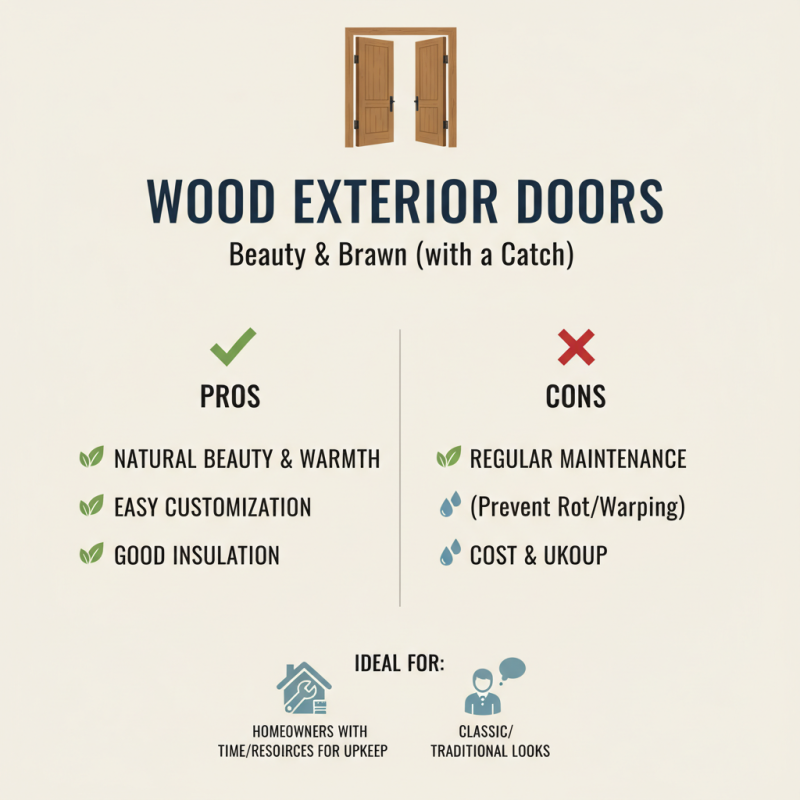
When choosing an exterior door, materials play a crucial role in your decision. Each material comes with its pros and cons. Wood doors offer warmth and natural beauty. They can be customized easily. However, they require regular maintenance to prevent rot and warping. Consider if you have the time and resources for upkeep.
Fiberglass doors are a popular alternative. They mimic the look of wood but resist moisture and are energy-efficient. They don’t need painting and are generally low-maintenance. Yet, some may find them less appealing compared to traditional wood. It’s essential to weigh the aesthetic impact against practicality.
Steel doors provide excellent security. They are tough, durable, and often insulated. While they can be prone to dents, repairing them isn’t overly complicated. Think about your home's security needs. Choosing the right material requires careful consideration of your lifestyle and environmental factors. Reflect on how each option aligns with your requirements before making a final decision.
Assessing Security Features for Your Exterior Door Choice
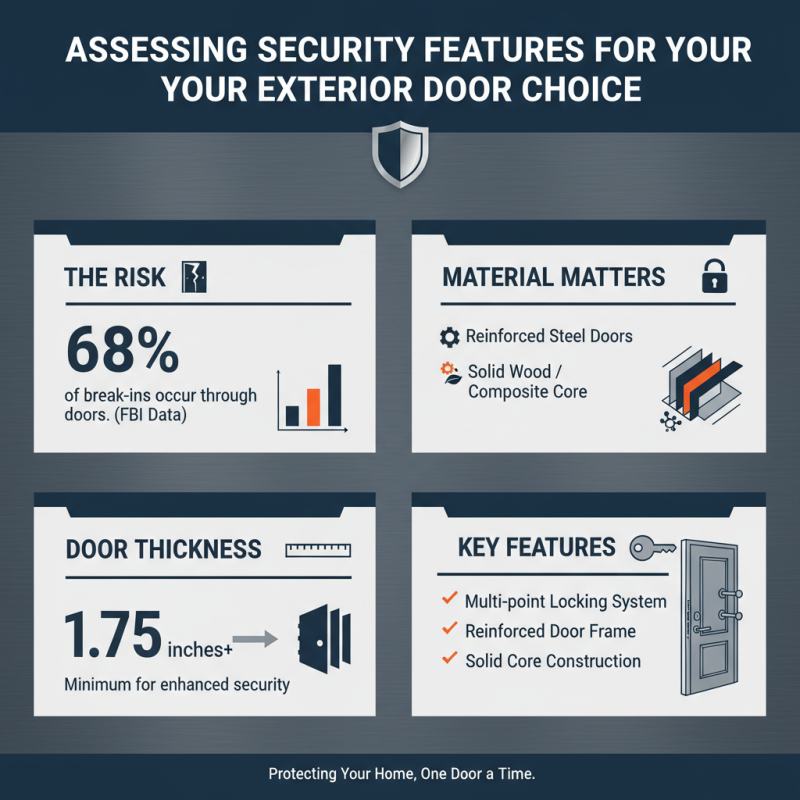
When selecting an exterior door, security should be a top priority. Data from the FBI reveals that around 68% of break-ins occur through doors. This alarming statistic underscores the necessity of a door that can withstand forced entry. Reinforced steel doors are often recommended due to their strength. Consider doors with at least a 1.75-inch thickness made of solid wood or steel. A composite door with a core made of dense materials can also enhance security.
Additionally, locking mechanisms play a crucial role in door security. Deadbolt locks are significantly more secure than standard knob locks. According to the American National Standards Institute (ANSI), grade 1 deadbolts offer the highest level of protection. Their durable construction makes them resistant to manipulation and forced entry. Moreover, a smart lock can add an extra layer of convenience and security, allowing homeowners to monitor access.
Yet, not all households can guarantee optimal security installations. Many homeowners may overlook simple maintenance issues, such as misaligned door frames or worn-out hardware. These can weaken an otherwise secure door. It’s vital to regularly inspect and address these vulnerabilities. Investing in a top-quality door is only part of creating a secure entryway. Maintaining it is equally important for overall safety.
Energy Efficiency: How Door Selection Impacts Home Insulation
Choosing the right exterior door significantly impacts your home's energy efficiency. An exterior door acts as a barrier, preventing heat loss during cold months and keeping cool air inside during summer. The U.S. Department of Energy reports that an energy-efficient door can reduce heat transfer by up to 30%. This means lower energy bills and a more comfortable living environment.
Materials matter when selecting a door. Fiberglass and steel doors typically offer superior insulation compared to traditional wooden ones. According to the Environmental Protection Agency, insulated exterior doors can deliver thermal resistance ratings (R-values) between 9 and 14, which increases overall home insulation. However, it is essential to consider that not all insulated doors are created equal. Some may have inadequate seals or subpar craftsmanship leading to air leaks.
Installation plays a crucial role too. A well-installed door can greatly enhance energy efficiency. A poorly fitted door can waste energy, regardless of its insulation rating. Conduct a detailed inspection of door frames and thresholds. Ensure tight seals to prevent drafts. Remember, even with the best door, poor installation strategies can undermine benefits. Identifying effective solutions with a professional can help optimize your home's energy use.
How to Choose the Best Exterior Door for Your Home? - Energy Efficiency: How Door Selection Impacts Home Insulation
| Door Type |
Material |
Insulation Value (R-Value) |
Energy Efficiency Rating |
Average Lifespan (Years) |
| Fiberglass |
Fiberglass |
R-5 to R-8 |
Highly Efficient |
30 |
| Steel |
Steel |
R-5 to R-8 |
Moderately Efficient |
20 |
| Wood |
Wood |
R-3 to R-4 |
Less Efficient |
15 |
| Composite |
Composite Materials |
R-4 to R-6 |
Efficient |
25 |
| Vinyl |
Vinyl |
R-4 to R-6 |
Efficient |
20 |





 Questions? Give Us A Call!