2026 How to Choose the Best Hdpe Cutting Board Material?
Choosing the right Hdpe Cutting Board Material is crucial for food safety and kitchen efficiency. High-Density Polyethylene (HDPE) is a preferred choice among chefs and culinary professionals. According to the USDA, HDPE boards are less porous than wood, reducing the risk of bacteria transfer. Research indicates that a staggering 80% of kitchen bacteria can thrive on untreated surfaces. This makes selecting suitable materials essential for maintaining hygiene.
Many industry reports show that HDPE cutting boards are durable and resistant to deep grooves. Grooves can harbor bacteria, posing risks to food safety. The average lifespan of an HDPE board exceeds five years with proper care. However, some users may overlook the need for regular maintenance. Regularly replacing worn boards is crucial, but many do not heed this advice.
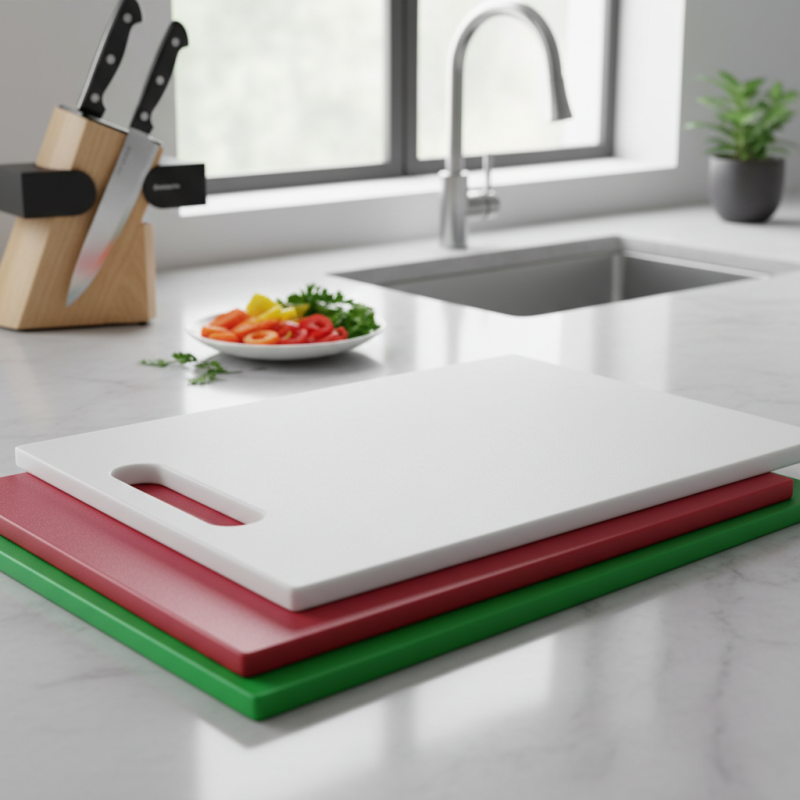
Furthermore, HDPE boards come in various colors, allowing users to reduce cross-contamination by designating boards for specific food types. Despite these advantages, not all HDPE boards are created equal. Scrutinizing materials and sourcing can be complex. Consumers should seek boards from reputable manufacturers that comply with FDA regulations for food contact surfaces. Making the right choice in HDPE cutting board material can lead to safer food preparation and a cleaner kitchen environment.
Understanding HDPE and Its Benefits for Cutting Boards
HDPE, or high-density polyethylene, is a popular choice for cutting boards. This material is durable, resistant to stains, and does not absorb moisture easily. Unlike wood, HDPE does not harbor bacteria, making it a safer option for food preparation. Its non-porous nature is a significant advantage, keeping your kitchen healthier.
When choosing an HDPE cutting board, consider thickness. A thicker board provides better stability and is less likely to warp. Additionally, look for a textured surface; it helps prevent slipping as you cut. Some boards come with features like juice grooves, which can catch liquids and minimize mess. Think about the size as well; a larger board offers more workspace.
Tips: Maintain your HDPE cutting board by washing it with warm soapy water after use. Avoid leaving it soaking, as prolonged water exposure can lead to warping. Also, occasionally sanitize it with a vinegar solution. This will help retain its condition over time. Remember, while HDPE is robust, it can still show scratches. Reflect on these imperfections; they are normal but should be monitored.
Comparison of Cutting Board Materials
This bar chart illustrates the durability of various cutting board materials on a scale from 1 to 10. HDPE (High-Density Polyethylene) scores the highest, demonstrating its robust performance and suitability for kitchen use.
Key Factors to Consider When Choosing HDPE Cutting Board Material
When selecting HDPE cutting board material, several key factors must be considered. The density and hardness of the HDPE affect its durability and resistance to cuts. A higher density often leads to a longer lifespan. Reports indicate that HDPE cutting boards can last up to 5 years or more with proper care. However, not all HDPE is made equal; variations in manufacturing can impact performance.
Additionally, the thickness of the board is crucial. Thicker boards tend to resist warping and cracking better than thinner ones. Many professionals recommend boards that are at least 1 inch thick for substantial use. Surprisingly, some users overlook this detail, leading to boards that wear out quickly. Users also need to evaluate their cutting edge. Softer knives can damage a harder board, affecting both the knife and the board.
The color and surface texture are often underappreciated aspects. Textured surfaces can enhance grip and prevent slipping, which is vital for safety. Intriguingly, many people opt for brightly colored boards, thinking they are more hygienic. However, research indicates that dark colors may hide stains better, which could lead to hygiene issues if overlooked. Thus, carefully considering these factors leads to a more informed choice, ensuring safety and longevity in the kitchen.
Comparing HDPE with Other Popular Cutting Board Materials
When selecting a cutting board, the material plays a crucial role. HDPE (High-Density Polyethylene) boards are popular due to their durability and non-porous nature. They resist bacteria growth better than wood or bamboo, making them a hygienic choice. According to a report from the National Sanitation Foundation, HDPE surfaces reduce contamination by over 99% when properly cleaned.
While wooden cutting boards are often favored for their aesthetic appeal, they can harbor bacteria in their porous surfaces. A study indicated that wooden boards can be cleaned effectively, but their maintenance requires careful handling. Plastic boards, including HDPE, are often easier to sanitize in dishwashers, making them a practical option for busy kitchens.
**Tip:** To maximize the lifespan of your HDPE board, avoid cutting extremely hard items. This can leave deep grooves that become difficult to clean. Regular inspection for wear and tear is also essential. Remember, a well-maintained cutting board not only elevates your cooking experience but also guarantees food safety.
Evaluating Durability and Maintenance of HDPE Cutting Boards
When choosing an HDPE cutting board, evaluating its durability and maintenance is essential. HDPE, or high-density polyethylene, is known for its strength. It resists scratches and dents better than other materials. This resistance can prolong the board’s lifespan. However, not all HDPE boards are created equal. Some may fade over time or develop a rough surface with extensive use.
Regular maintenance of HDPE boards is relatively straightforward. Wash them with mild soap and hot water after each use. Avoid abrasive cleaners, as they can wear down the surface. While HDPE is dishwasher-safe, the high heat can sometimes warp the board. Inspecting the board for deep grooves or stains is wise. These can harbor bacteria. If the board shows excessive wear, consider replacing it.
Many users overlook the importance of proper storage. Keeping the board flat or on a wall-mounted rack helps maintain its shape. Stacking heavy items on top of it can lead to bowing. It's a simple mistake that can affect performance. A careful approach ensures the board stays in optimal condition, ready for your culinary adventures.
Choosing the Right Thickness and Size for Your HDPE Cutting Board
When selecting the right thickness for your HDPE cutting board, consider your cooking style. A thicker board provides durability and stability for heavy chopping tasks. For tasks like slicing and dicing, a thinner board may suffice. Thickness typically ranges from 0.5 to 2 inches. A 1-inch board is often a good compromise for versatility.
Size is equally important. A larger board offers more space for food prep. This is beneficial when preparing meals for gatherings. However, it may be cumbersome in smaller kitchens. Measure your countertop and storage space carefully. A board too big can lead to frustration during use.
Assess your needs thoughtfully. Maybe you want a lightweight option that's easy to maneuver. Or perhaps a heavy, sturdy board feels more secure. Each choice has trade-offs. Reflect on what feels right for your cooking experience. Prioritize usability and comfort in your selection.

 Questions? Give Us A Call!