How to Choose the Best Residential Doors for Your Home?
Choosing the right residential doors is crucial for both style and security. As Maria Johnson, a renowned expert in the residential doors industry, states, “The front door is the first impression of your home.” Her insight emphasizes the importance of making a thoughtful choice.
In today's market, residential doors come in various materials and designs. Homeowners must consider durability, maintenance, and insulation. Wood, fiberglass, and steel each offer unique benefits. For instance, wood provides warmth but may require more upkeep. On the other hand, steel doors are sturdy yet can lack the aesthetic appeal of wood.
When selecting residential doors, pay attention to functionality as well. Consider how often the door will be used and the level of security needed. Many doors offer added features, like smart locks, which enhance security. Don't neglect the door's energy efficiency; this affects your home's overall comfort and budget. While your preferences matter, it’s essential to balance them with practicality and longevity. Make a choice that you won’t regret later.
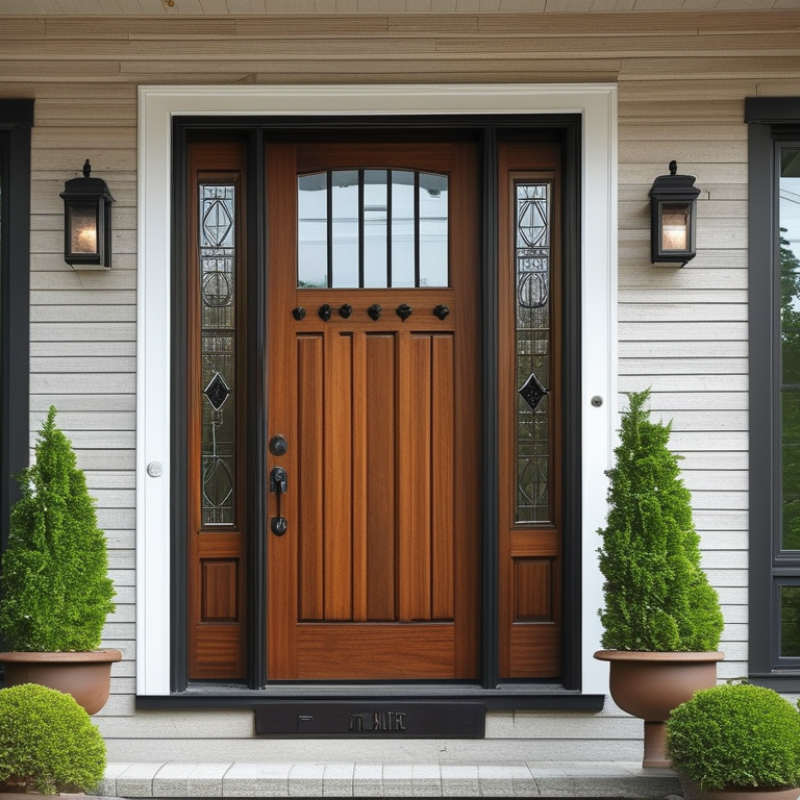
Understanding Different Types of Residential Doors and Their Benefits
Choosing the right residential door involves understanding the different types available. Each door type brings unique benefits. For instance, wooden doors offer elegance and natural insulation. Steel doors provide durability and enhanced security. Fiberglass doors are low-maintenance and energy-efficient.
When selecting a door, consider your home's architecture. It should complement your style. Take time to explore various materials. Each material has its pros and cons. Look for options that suit the climate in your area.
**Tips**: Check the energy rating of doors. This can save on heating and cooling costs. Also, think about the level of security you need. A more secure door can deter potential break-ins. Regularly inspect your doors for wear. Fix any issues promptly to maintain safety and appearance.
How to Choose the Best Residential Doors for Your Home? - Understanding Different Types of Residential Doors and Their Benefits
| Type of Door |
Material |
Energy Efficiency |
Security Level |
Maintenance |
Cost Range |
| Steel Door |
Steel |
High |
Very High |
Low |
$150 - $500 |
| Fiberglass Door |
Fiberglass |
High |
Medium |
Medium |
$200 - $700 |
| Wood Door |
Wood |
Medium |
Medium |
High |
$300 - $1,000 |
| Vinyl Door |
Vinyl |
High |
Medium |
Low |
$150 - $400 |
| Aluminum Door |
Aluminum |
Medium |
High |
Low |
$200 - $600 |
Assessing Material Options for Durability and Aesthetic Appeal
When selecting residential doors, material choice significantly impacts durability and aesthetics. Each option presents unique benefits and drawbacks. For example, fiberglass doors are known for energy efficiency. According to the American Institute of Architects, these doors can save homeowners up to 15% on energy bills when installed properly. They also mimic the appearance of wood, making them visually appealing without sacrificing performance.
Wood doors, while attractive, require regular maintenance. They can warp or crack with fluctuating humidity, leading to costly repairs. A study by the Door and Window Manufacturers Association found that nearly 25% of wooden doors show signs of deterioration within a decade. That said, certain hardwoods offer excellent longevity if properly maintained.
Steel doors offer superior security. They resist impacts better than wood and fiberglass. However, they might not provide the same aesthetic warmth. Homeowners often report that steel doors can dent and require repainting over time. The National Association of Realtors noted a 100% return on investment for steel door replacements, which shows their value despite possible aesthetic drawbacks. Balancing aesthetic appeal and durability is essential for long-term satisfaction.
Evaluating Energy Efficiency Ratings and Insulation Properties
When choosing residential doors, energy efficiency is crucial. Look for doors with high energy efficiency ratings. These ratings indicate how well the door insulates your home. A well-insulated door reduces heat loss in winter and keeps your home cool in summer. Consider materials like fiberglass or steel, which often provide better insulation than traditional wood.
Thickness and design matter, too. A solid-core door typically performs better than a hollow one. Check the door's frame as well. A door with a properly fitted frame can prevent drafts. Even small gaps can lead to significant energy loss.
You might feel tempted to prioritize aesthetics over efficiency. However, an attractive door may not offer the best insulation. This confusion can lead to higher energy bills in the long run. Striking a balance between beauty and function is essential. Evaluate the insulation properties carefully. It’s important to ask questions and do research to make an informed choice.
Considering Security Features and Industry Standard Certifications
When selecting residential doors, security features stand out as a priority. Strong materials, such as fiberglass or steel, offer more protection than traditional wood. Look for doors with multi-point locking systems. These locks secure the door at multiple points, making it difficult for intruders to gain access. Consider deadbolts as an additional layer of security. They provide extra resistance against forced entry.
Industry standard certifications are crucial in assessing door security. Doors bearing certifications, such as those from the American National Standards Institute (ANSI), meet rigorous testing criteria. These certifications ensure that the product adheres to specific safety benchmarks. Checking for Energy Star ratings can also be beneficial. Efficient doors contribute to home insulation, enhancing both security and energy savings.
Reflect on installation quality. Even the most secure door can be ineffective if improperly installed. Poorly fitted doors can create gaps, allowing for vulnerability. Regular maintenance is important as well. Ensuring hinges and locks function properly can prevent security breaches. Always prioritize both security and functionality when choosing the right door for your home.
Choosing the Right Style and Design to Complement Your Home's Architecture
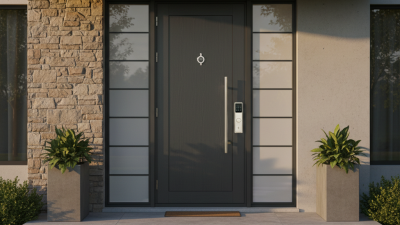
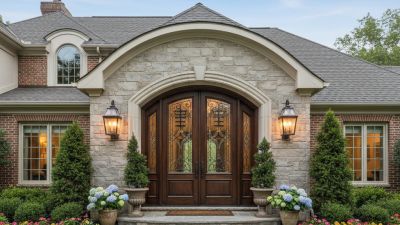
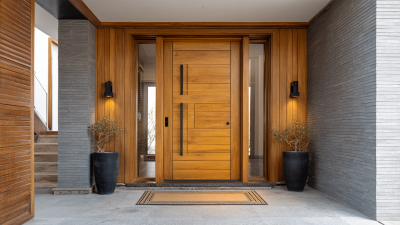
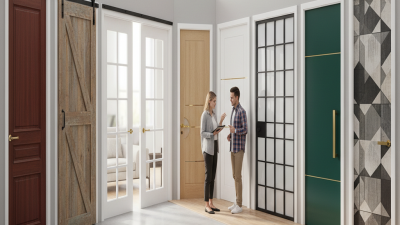
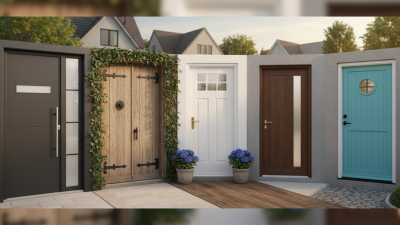
Choosing the right style and design for your residential doors is essential. Your front door is the first impression visitors have of your home. It should reflect your personality while complementing your architectural style. For traditional homes, consider classic wood doors with intricate details. Modern designs often favor sleek lines and minimalistic features. Don't shy away from experimenting with colors. A bold hue can make your entrance stand out.
Take a moment to reflect on your home's overall aesthetics. Does the door you choose harmonize with the windows and siding? Look for balance in materials and colors. Using mismatched styles can lead to a chaotic look. Perhaps you want a rustic charm; then think about weathered finishes. If your home leans towards contemporary, opt for glass inserts that allow light while providing privacy.
Remember, functionality also plays a role. A beautiful door is important, but it must be secure too. Quality locks and durable materials ensure safety. Balance aesthetics and practicality to create a welcoming entrance. Don't rush this decision; take your time to envision how each door will transform your space.

 Questions? Give Us A Call!