How to Choose the Best Wood Interior Doors for Your Home?
Choosing the right wood interior doors can transform your home’s aesthetic. According to Sarah Johnson, an expert in interior design, "The right doors can elevate your home’s beauty significantly." Wood interior doors offer warmth and character that other materials may lack.
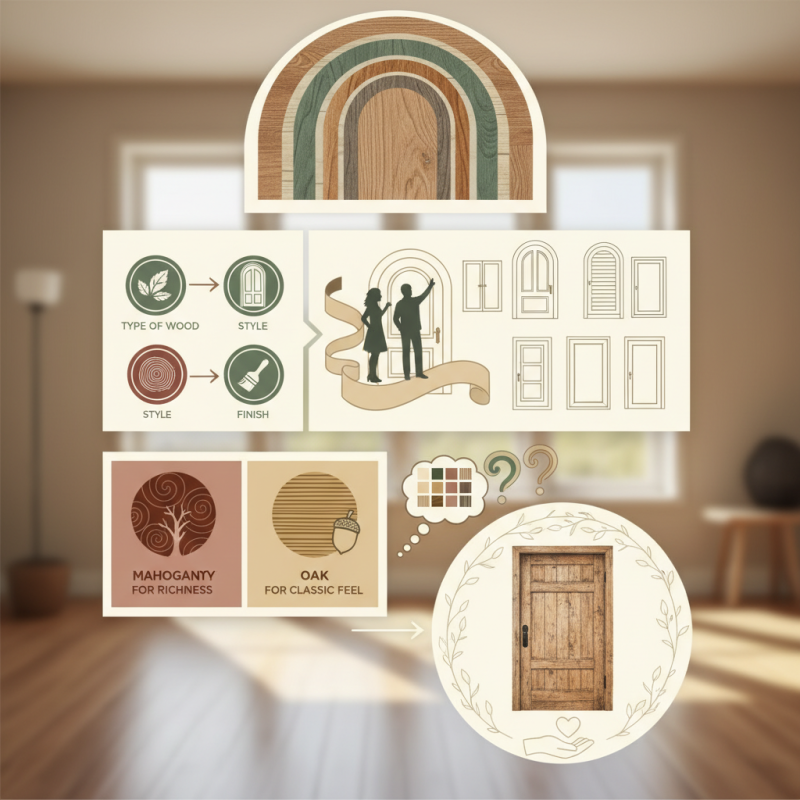
Consider the type of wood, style, and finish when making your choice. Each type brings a different ambiance. For example, mahogany offers richness, while oak gives a classic feel. However, you might struggle with selecting the right color or grain. This process can become overwhelming.
Remember, imperfections are part of beauty. Not all wood interior doors will match seamlessly with your décor. Recognizing this can help you appreciate the unique charm each door brings. Embrace the journey of finding the perfect wood interior doors for your home.
Understanding Different Types of Wood for Interior Doors
When choosing wood interior doors, understanding different types of wood is essential. Each wood type brings unique aesthetics and durability. For instance, hardwoods like oak and cherry are popular choices due to their strength and timeless beauty. According to industry reports, hardwood doors can last over 30 years with proper care. In contrast, softwoods like pine and fir are more affordable but may not hold up as well over time.
Tip: Consider the climate in your area. Moisture levels can warp softer woods. If you live in a humid area, hardwood might be a better investment.
Additionally, the grain pattern and color of wood can affect your home’s overall style. The warmth of walnut or the lightness of maple can transform a space. However, imperfect finishes on some doors can lead to splintering. Be mindful of quality checks.
Tip: Always inspect your wood choice firsthand. A great finish might hide defects. Ensure that every piece meets your standards. Be wary of hurried selections. Taking time to choose might save you future headaches.
Understanding Different Types of Wood for Interior Doors
Evaluating Door Styles That Match Your Home's Aesthetic
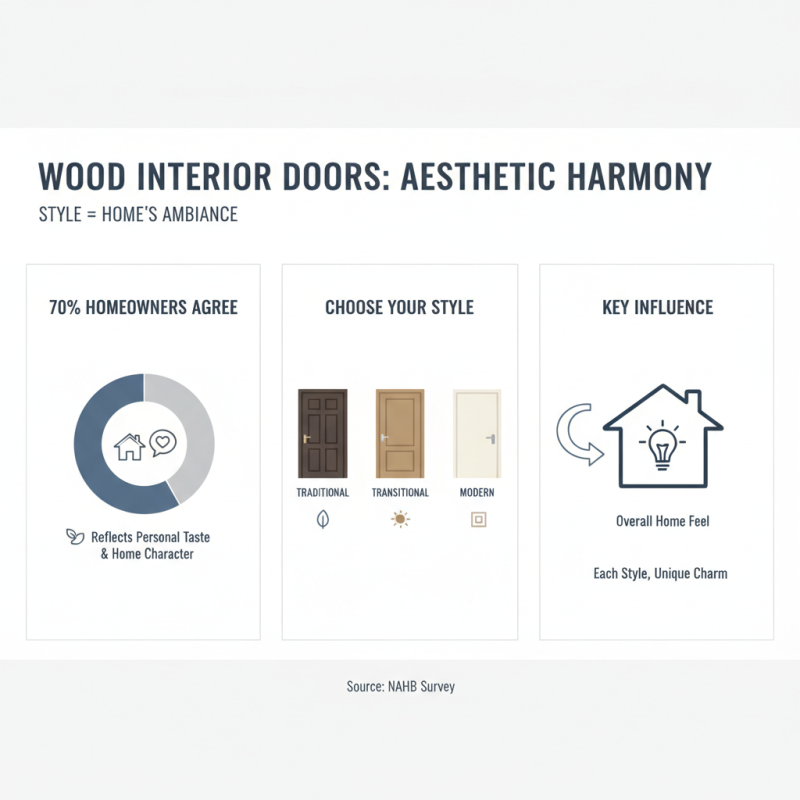
When selecting wood interior doors, aesthetic compatibility is essential. The style of your doors can significantly influence your home's overall ambiance. According to a recent survey by the National Association of Home Builders, 70% of homeowners believe that door styles reflect their personal taste and the home's character. From traditional to modern, each style offers its unique charm.
Tips: Consider the existing decor. For a rustic theme, opt for reclaimed wood. If your home leans towards a contemporary look, sleek panels might be more fitting. Measure your space properly, ensuring the doors don't overwhelm the room.
Many homeowners fall short in visualizing how a door will fit into their space. They may choose an extravagant design, only to realize it clashes with their interior. Simple styles often provide elegance without being overly ostentatious. A well-placed door can act as a focal point. Research shows that doors with minimal ornamentation can increase perceived space, making rooms feel larger.
Tips: Don't rush the selection process. Gather samples to see how different finishes blend with your walls. Pay attention to hardware choices; they play a crucial role in overall design coherence.
Assessing Durability and Maintenance Needs of Wood Doors
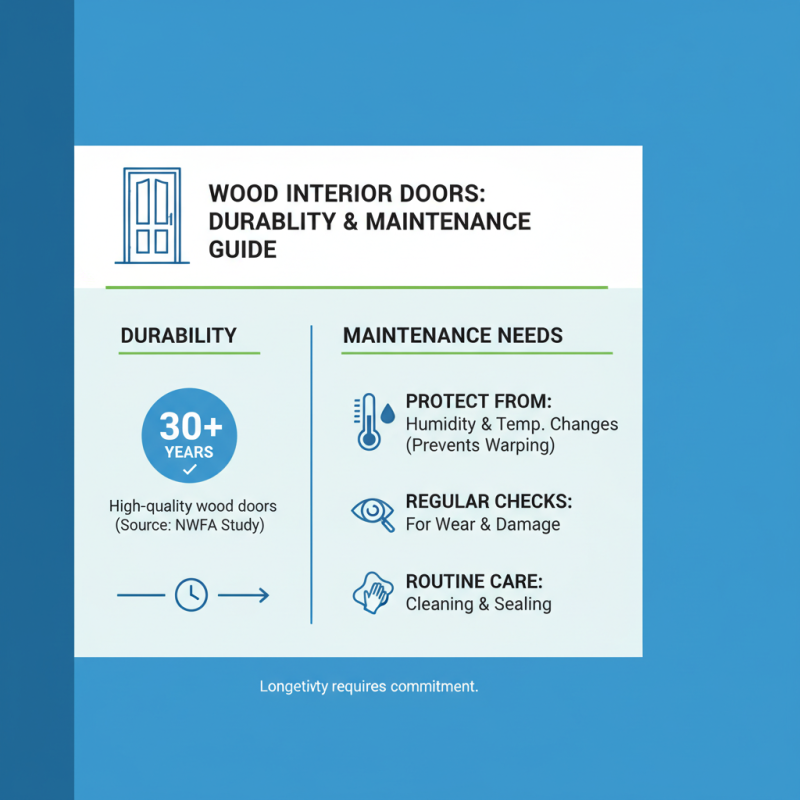
When assessing the durability and maintenance needs of wood interior doors, several factors come into play. A study from the National Wood Flooring Association indicates that high-quality wood doors can last over 30 years. However, maintaining their beauty requires commitment. Humidity and temperature changes can cause warping. Consequently, regular checks are essential.
Wood doors need proper sealing and finish. This prevents moisture absorption, which leads to decay. According to the Wood Products Council, unfinished wood can absorb up to 15% moisture. Homeowners should consider refinishing doors every five to seven years. This task can be tricky, especially for beginners. Even subtle application differences can yield uneven looks.
Different wood types offer varying durability levels. Hardwoods like oak and maple resist scratches better than softwoods. A survey indicated that 70% of homeowners prefer hardwoods for their resistance. However, the upfront cost is higher. Ultimately, choosing a wood door is a balance between aesthetics, longevity, and effort in maintenance.
Selecting the Right Size and Fit for Your Interior Doorways
Choosing the right size and fit for your interior doors is crucial to ensure both functionality and aesthetics. Measurements can vary widely. According to recent industry reports, about 75% of homeowners underestimate the importance of door size. Doors that don’t fit well can lead to energy loss, drafts, and potential safety hazards.
When selecting doors, consider their height and width. Standard interior door sizes often measure 80 inches in height. However, you may need to explore custom sizes for unique spaces. Additionally, don't forget about the thickness, typically around 1.75 inches for interior doors. An ill-fitting door can ruin the overall look of a room.
Tips: Always measure the rough opening size. This includes the width of the frame and the height from the floor to the top of the opening. Make sure to account for molding and trim, which can influence the final size.
Also, consider door swing direction. A door opening outwards can save space but may interfere with furniture placement. An improperly installed door can lead to frustration. Reflect on how your chosen door size enhances your space's functionality. Taking these extra steps could save you time and headaches later.
Considering Budget and Cost-Efficiency in Choosing Wood Doors
When choosing wood interior doors, budget and cost-efficiency are critical. Start by assessing your financial plan. Determine how much you can invest without overspending. Quality wood doors vary in price significantly. Set a realistic budget to guide your choices.
Look at the materials. Solid wood doors offer durability but can be expensive. Engineered wood doors are often more affordable and can mimic solid wood's aesthetics. This compromise might be worth considering. Think about the long-term savings with energy-efficient doors as well. They might cost more upfront but can lead to lower heating and cooling bills.
Also, consider maintenance costs. Some woods require more care and upkeep. A beautiful, expensive door can become a burden if it demands too much attention. Reflect on whether you truly need that level of quality. The right choice balances cost and practicality while still enhancing your home’s charm.
How to Choose the Best Wood Interior Doors for Your Home?
| Door Type |
Material |
Cost Range (USD) |
Durability |
Energy Efficiency |
Recommended Use |
| Solid Core |
Hardwood |
$200 - $600 |
High |
Good |
Main Entry, Bedrooms |
| Hollow Core |
Composite |
$100 - $300 |
Moderate |
Low |
Interior Rooms |
| French Doors |
Solid Wood |
$300 - $900 |
High |
Good |
Living Room, Patio |
| Bi-Fold Doors |
Softwood |
$250 - $700 |
Moderate |
Moderate |
Closets, Room Dividers |




 Questions? Give Us A Call!