How to Choose Discount Doors for Your Home in 2026?
Choosing discount doors for your home in 2026 can be a daunting task. With so many options available, it's essential to make informed decisions. According to industry expert John Anderson, "The key to selecting discount doors is balancing cost and quality." This advice highlights the importance of not sacrificing durability for savings.
When selecting discount doors, consider materials and styles that fit your home. Many discount options may look appealing initially but could lack long-term value. For instance, hollow-core doors might save money upfront but often don't hold up well over time.
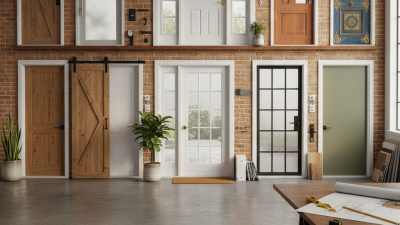
Additionally, the aesthetic appeal of discount doors can vary widely. It's crucial to reflect on how these doors will enhance or detract from your home's character. Not every door will fit seamlessly into your design vision. Scrutinizing the details—like finish and hardware—can make a significant difference in your overall satisfaction. In this evolving landscape, thorough research and thoughtful choices are vital to getting the best discount doors for your needs.

Factors to Consider When Choosing Discount Doors for Your Home
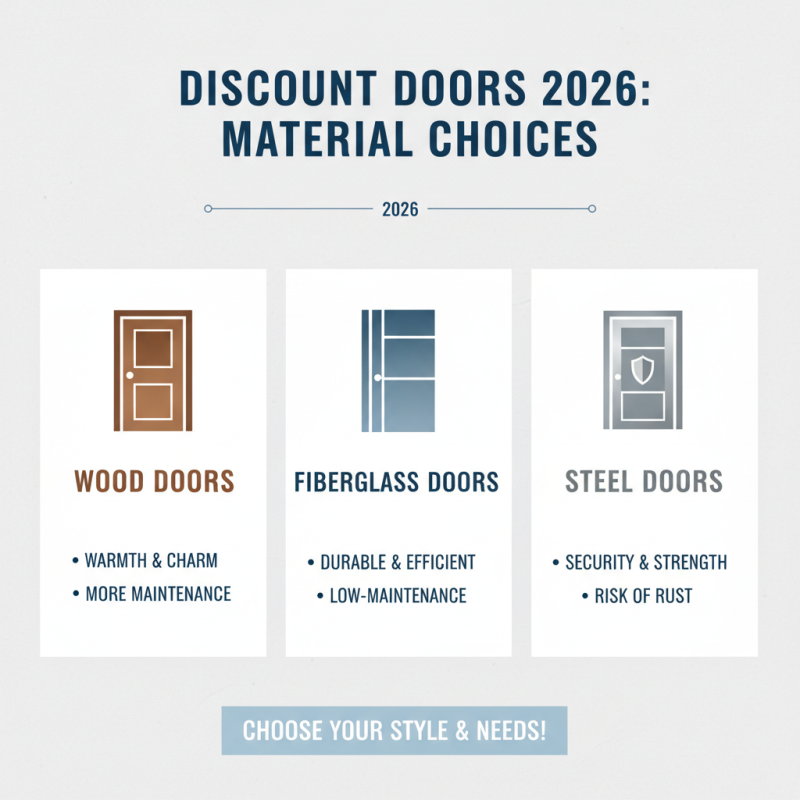
Choosing discount doors for your home in 2026 can be challenging. Several factors come into play. One important aspect is the material. Wood, fiberglass, and steel each offer unique advantages. Wood provides warmth and charm, but may require more maintenance. Steel is durable and secure, but could rust over time. Consider how each material fits your style and needs.
Another key factor is energy efficiency. Look for doors with good insulation properties. This can significantly affect your heating and cooling costs. A well-insulated door will help maintain consistent temperatures indoors. Don’t overlook the door's fit and size. Ensure it fits your existing frame properly to avoid drafts or security issues. Keep in mind that a poorly fitting door can be both an aesthetic and functional problem.
Lastly, the design and color of the door can impact curb appeal. While budget-friendly options exist, be cautious of the overall look. Sometimes, opting for a less expensive option can lead to disappointment. Reflect on how the door complements your home’s exterior. It's more than just a functional choice; it's part of your home’s character. Select wisely to enhance your space.
2026 Trends in Door Materials: Cost-Effective Options
When choosing discount doors in 2026, material trends focus on cost-effectiveness without sacrificing quality. Fiberglass remains a popular choice due to its durability and low maintenance. It can mimic the look of wood but costs less and lasts longer. Aluminum doors are also making a comeback, offering strength and lightweight properties perfect for modern homes.
Composite materials are gaining traction as well. They provide excellent insulation and resistance to weather conditions. Many homeowners appreciate their eco-friendly nature. However, you might face some challenges with installation. Subpar composites can warp or fade over time, so it's essential to evaluate quality.
It’s tempting to opt for the cheapest option. But sometimes lower prices come with hidden issues. For instance, certain vinyl doors can chip easily, leading to future expenses. Weigh your choices carefully to avoid regrets later. Pay attention to your home’s aesthetic and choose a door that blends well. Balancing style, cost, and durability will ultimately enhance your home’s value.
2026 Trends in Door Materials: Cost-Effective Options
This chart presents the average cost per square foot for various door materials expected to be trending in 2026. As homeowners look for cost-effective options, understanding these prices will help in making informed decisions.
Energy Efficiency Ratings: Importance in Affordable Door Selection
When selecting discount doors for your home, energy efficiency ratings should be a top priority. These ratings indicate how well a door can insulate your space. A well-insulated door can help maintain indoor temperatures and reduce energy costs. Look for doors with a good energy rating, even if they come at a lower price point. This balance can make a real difference.
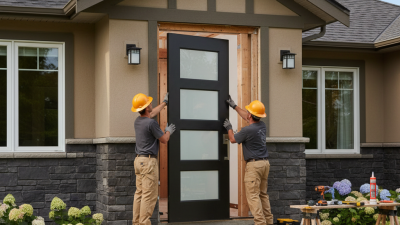
Consider the materials used in the door's construction. Fiberglass and insulated steel often provide better energy efficiency than solid wood. While wood doors may look appealing, their insulation properties can vary widely. Make sure to check the ratings. It's also essential to think about installation. Poorly installed doors can lead to significant energy loss, negating any savings from choosing a discount option.
You might also want to explore any available rebates for energy-efficient doors. Many areas offer incentives for homeowners. However, be cautious. Sometimes, the cheapest options may not be the best in the long run. Research thoroughly. A door that costs less initially might lead to higher expenses due to energy inefficiency. Take the time to compare different doors. Reflect on your needs and how they align with energy efficiency ratings. The choice you make will impact comfort and costs for years.
How to Choose Discount Doors for Your Home in 2026? - Energy Efficiency Ratings: Importance in Affordable Door Selection
| Door Type |
Material |
Energy Efficiency Rating |
Estimated Cost |
Lifespan (Years) |
| Steel Entry Door |
Steel |
U-Factor: 0.23 |
$450 |
30 |
| Fiberglass Door |
Fiberglass |
U-Factor: 0.18 |
$600 |
25 |
| Wood Door |
Wood |
U-Factor: 0.30 |
$700 |
20 |
| Vinyl Door |
Vinyl |
U-Factor: 0.25 |
$350 |
30 |
Comparative Analysis of Discount Doors vs. Premium Products
Choosing between discount doors and premium products requires careful consideration. Discount doors often attract homeowners due to their lower upfront costs. A recent industry report shows that discount doors can be up to 40% cheaper than premium alternatives. However, lower costs do not always equal better value.
In terms of durability, premium doors generally outperform their discount counterparts. They often use higher quality materials. For example, fiberglass and solid wood doors provide better insulation than most discount models. According to the National Association of Realtors, homeowners investing in quality doors may see a return of up to 75% upon resale. This statistic underscores the importance of considering long-term value over short-term savings.
Installation and maintenance also play crucial roles. Discount doors may require more frequent repairs or replacements, which can add to long-term costs. A study by HomeAdvisor revealed that homeowners spend an average of $150 annually on door repairs for lower-end options. In contrast, premium doors might require less frequent servicing. This reflects a potential pitfall in the initial appeal of discount doors, emphasizing the need for thoughtful assessment before purchasing.
How to Evaluate Warranty and Durability in Discount Doors
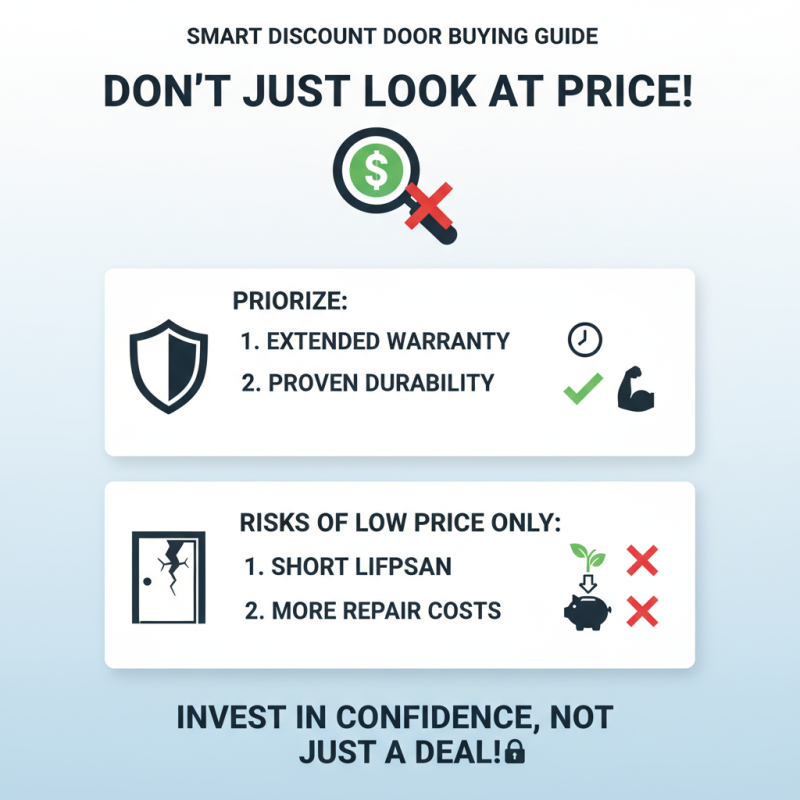
When choosing discount doors, warranty and durability are critical factors. Many people overlook these aspects when focusing on price. However, a low-cost door may not be a good investment if it fails quickly. Look for doors that come with a substantial warranty. A longer warranty often indicates stronger reliability and durability.
Evaluate the materials used in the door construction. Solid wood might be more durable than hollow-core options but can come with a higher price tag. Understand the environmental conditions where the door will be used. Will it face harsh weather? If so, consider doors that resist warping and splitting.
Pay attention to user reviews and experiences. Sometimes, the lowest price leads to the worst durability. You might read about doors that cracked or warped within months. Reflect on these insights to make an informed choice. While it might be tempting to choose the cheapest option, it’s important to weigh long-term benefits and potential costs of replacements. A well-chosen door can enhance both the function and appearance of your home.





 Questions? Give Us A Call!