Why Choose Resin Insects for Your Next Project?
When considering materials for artistic projects, the choice of Resin Insects is intriguing. These stunning, lifelike representations of insects encapsulated in resin offer a striking combination of beauty and durability. Many artists and crafters appreciate the unique aesthetic they bring. Each piece showcases impeccable detail, making them stand out in any collection.
Resin Insects not only serve as decorative elements but also as conversation starters. Their vibrant colors and intricate designs can evoke emotions and spark curiosity. However, working with resin can be tricky. It requires knowledge of proper techniques and safety precautions. Artists must reflect on their skills and experience to ensure a smooth process.
Choosing Resin Insects means embracing both creativity and challenges. The blend of art and science is captivating, yet demanding. As you embark on your project, think about how these materials can elevate your work. Are you ready to explore the fascinating world of Resin Insects?
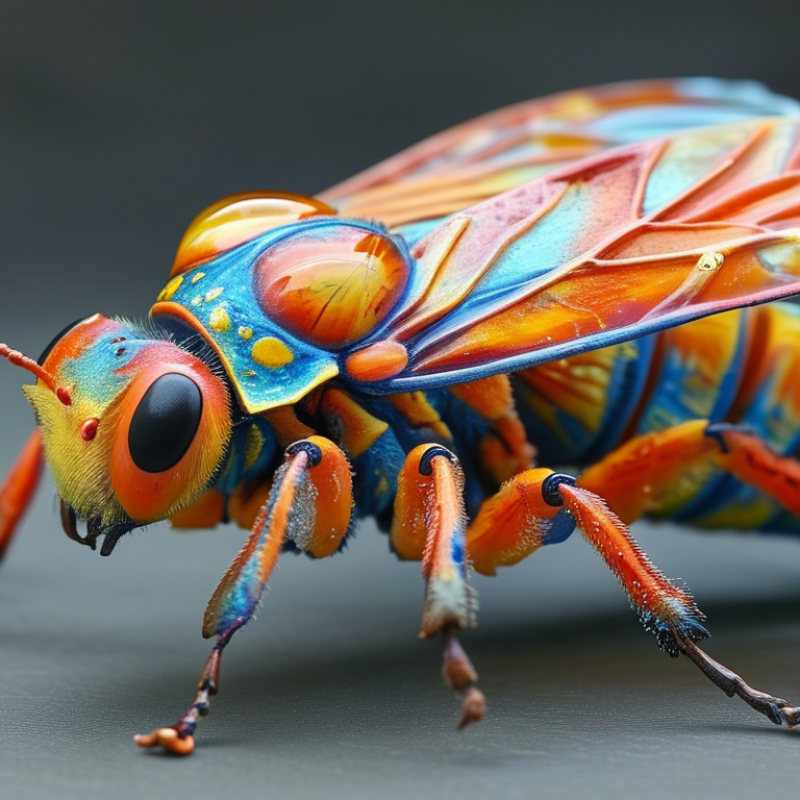
Benefits of Using Resin Insects in Art and Crafts
Resin insects have rapidly gained popularity in the art and craft community. These fascinating pieces bring a brilliant dimension to creative projects. Artists value them for their unique textures and realistic appearances. The sheer variety available allows for endless possibilities. From butterflies to beetles, each piece tells a story.
One major benefit of using resin insects is durability. Unlike real specimens, resin is long-lasting and can withstand various conditions. This stability makes it an excellent choice for permanent installations. Additionally, working with resin is a straightforward process, yet it requires attention to detail. Mistakes can lead to unwanted bubbles or discoloration, prompting artists to refine their techniques.
Moreover, resin insects are versatile. They can enhance jewelry, home decor, and mixed-media art. Their captivating look catches the eye, drawing viewers in. This visual appeal is hard to replicate with other materials. While some may find working with resin a challenge, mastering it opens doors to creative expression. Each artist's journey with resin insects is unique, filled with experimentation and growth.
Different Types of Resin Insects Available in the Market
When it comes to resin insects, the market offers several exciting options. You can find various types, such as butterflies, beetles, and more exotic specimens. Each type serves different artistic and educational purposes. According to industry research, the resin insect market has seen a 15% growth annually, reflecting increasing interest in sustainable materials.
To make the most of your project, consider the size of the resin insect you need. Smaller insects can fit well into jewelry designs, while larger ones create striking display pieces. It’s essential to think about the color and species as these elements impact the final look.
Here are some tips for using resin insects effectively. Always ensure you work in a well-ventilated space. This ensures safety while creating your pieces. Additionally, pairing insects with complementary materials can enhance their attractiveness. Don't shy away from experimenting; some combinations may yield unexpected beauty. Mistakes can lead to surprising discoveries, so embrace the imperfections in your craft.
Comparison of Different Types of Resin Insects Available in the Market
Techniques for Incorporating Resin Insects into Your Projects
Incorporating resin insects into your projects can elevate their aesthetic appeal significantly. These intricate pieces often serve as conversation starters. They have unique designs that enhance jewelry, home decor, and art installations. According to a study from the Arts and Crafts Industry Association, 45% of artists believe resin elements boost their project value.
Using resin insects requires specific techniques for optimal results. First, ensure a clean workspace, as any dust or debris can affect the final outcome. When embedding insects, consider the composition of your resin mixture. Delicate insects may require a slower curing process to preserve their detail, while larger specimens can be embedded with faster curing resins.
Experimenting with different resin types opens up creative possibilities. For instance, adding color pigments alongside insects can yield fascinating results. However, the process requires patience and precision. Beginners might face challenges, such as bubbles forming in the resin. Research indicates that approximately 30% of new users encounter these issues. Learning from mistakes is part of the creative journey, turning setbacks into valuable lessons for future projects. Thus, developing a skill in using resin can be both rewarding and complex.
Why Choose Resin Insects for Your Next Project? - Techniques for Incorporating Resin Insects into Your Projects
| Project Type | Resin Insect Usage | Techniques | Benefits |
| Home Decor | Incorporating insects in resin art pieces | Layering techniques and color mixing | Unique aesthetic appeal, handmade touch |
| Jewelry Making | Embedding insects in resin pendants and earrings | Molding and casting techniques | Lightweight, durable, and customizable designs |
| Educational Display | Using resin to preserve insects for educational purposes | Clear casting for visibility | Long-term preservation and better visibility |
| Craft Projects | Creating fun, themed crafts with resin insects | Embedding techniques and layering | Engaging and creative experiences |
| Scientific Research | Using resin for insect specimen preservation | Precision casting methods | Maintains specimen integrity and detail |
Tips for Maintaining and Caring for Resin Insect Creations
Caring for resin insect creations requires attention to detail. These unique pieces deserve proper maintenance to ensure they last. Ensure that your creation is placed away from direct sunlight. Excessive heat can warp or discolour the resin. Maintaining a stable temperature is key.
Cleaning resin insects should be done gently. Use a soft, damp cloth to wipe away dust. Avoid any harsh chemicals; they can damage the surface. Remember, these insects are delicate. Sometimes, small imperfections may appear over time, causing frustration. Embrace these flaws as part of the character. They tell a story of their journey.
Storage matters too. Place your creations in a cool, dry place. Use protective cases if possible. This will help prevent scratches and chips. Regular checks for any signs of wear can help keep them in great shape. Caring for resin insects can feel overwhelming, but each challenge brings growth. Enjoy the process and learn as you go.
Common Misconceptions About Using Resin Insects in DIY Projects
When considering resin insects for your DIY projects, many people harbor misconceptions. One common belief is that resin insects can only be used in niche crafts. In reality, these unique elements enhance various applications, from jewelry making to home decor. Their versatility opens up new avenues for creativity.
Another misconception is the fragility of resin insects. While they do require some care, properly cast resin insects are surprisingly durable. They can withstand everyday handling, making them suitable for various projects. However, it’s essential to note that improper handling or exposure to harsh conditions can damage them. This aspect demands attention when incorporating resin insects into your designs.
Some may think using resin insects is overly complicated. However, many techniques are straightforward and beginner-friendly. This invites a wider audience to explore their use. Yet, as with any craft medium, a learning curve exists. Experimenting with different applications leads to unique results. Mistakes can inspire innovation, transforming simple ideas into extraordinary pieces.

 Questions? Give Us A Call!