How to Choose the Right Automatic Fire Shutter for Your Building?
In today’s world, fire safety is paramount. The choice of an Automatic Fire Shutter can significantly impact the safety of a building. According to the National Fire Protection Association (NFPA), around 1.3 million fires were reported in the U.S. in 2020, resulting in billions in property damage. An Automatic Fire Shutter can help contain flames, providing vital time for evacuation and reducing damage.
Experts emphasize the importance of selecting the right system. Tony Martínez, a leading fire safety consultant, states, "Choosing the correct Automatic Fire Shutter can mean the difference between a manageable incident and a catastrophe." Different buildings have unique demands and risks. Considerations include size, materials, and the specific environment where the shutter will be installed.
Not all Automatic Fire Shutter systems are created equal. Each option can vary in efficiency and reliability. A poorly chosen shutter can fail when it’s needed most. Thorough research and expert advice are critical to ensure a proper fit for fire safety needs. Taking the time to reflect on these factors could save lives and property in the event of a fire.
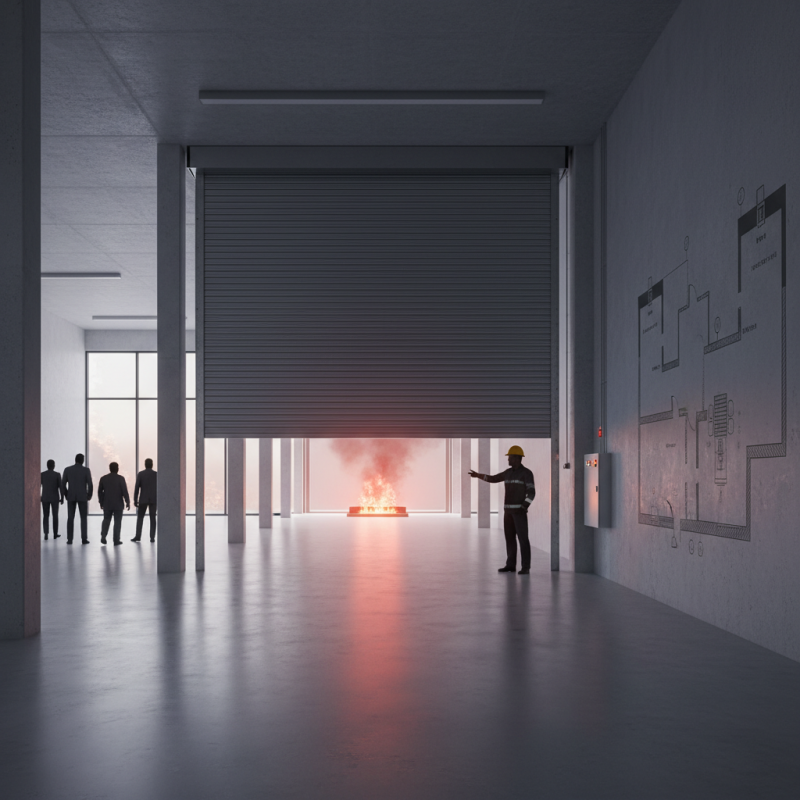
Factors to Consider When Selecting Automatic Fire Shutters for Buildings
Choosing the right automatic fire shutter for your building isn't simple. Several factors play a crucial role in this decision. Fire rating is essential. It denotes how long a shutter can withstand a fire. According to the National Fire Protection Association (NFPA), a shutter should be rated for at least 1 to 3 hours, depending on the building's use.
Another critical aspect is the material. Steel is a common choice due to its durability. However, lightweight alternatives exist that are more cost-effective. They might not perform as well under extreme conditions. This could lead to serious consequences if a fire erupts. Therefore, building code compliance must not be overlooked. Research shows that 23% of fire incidents could have been prevented with proper installation.
Ease of operation is also vital. Manual shutters can be a hassle during emergencies. Automatic options are better but require regular maintenance checks. Maintenance costs can add up. A study by Fire Safety Engineering indicates that up to 15% of failures in fire systems are due to poor upkeep. In the end, the objective is clear: choose wisely to safeguard lives and property.
Understanding Building Codes and Regulations on Fire Safety Equipment
When selecting automatic fire shutters, understanding building codes and regulations is critical. These codes exist to protect lives and property. The National Fire Protection Association (NFPA) estimates that more than 3,000 lives are lost annually due to fire. Compliance with these codes can significantly reduce risks.
Building regulations often require fire shutters in specific locations, especially in commercial spaces. For instance, tests show that properly installed fire shutters can contain fires for up to four hours. This containment can mean the difference between minimal damage and total loss. Local authorities may have specific guidelines based on the building's occupancy and purpose. Failure to adhere to these could lead to fines or legal issues.
Fire safety is not just about compliance; it's about creating a safe environment. Regular inspections and maintenance of fire shutter systems are essential. A report from the Fire Safety Engineering Journal highlights that about 20% of fire incidents are linked to equipment failures. These statistics underline the need for ongoing evaluation. Building owners must reflect on their current fire safety measures and stay informed about any regulatory changes.
Analyzing Different Types of Automatic Fire Shutters Available in the Market
When considering automatic fire shutters, it’s crucial to analyze the variety available in the market. Automatic fire shutters come in several types. Each serves a unique purpose, designed to enhance safety and compliance. The most common types include vertical shutters, horizontal shutters, and fire-resistant curtains. According to industry reports, nearly 80% of commercial buildings utilize some form of fire protection system, highlighting the need for effective fire shutters.
Tips: Ensure you assess your building's layout before choosing a shutter. Measure doorways and exit routes carefully. This simple step can save you from costly mistakes. Don’t forget to check local regulations. Compliance with fire safety codes is essential.
Another consideration is the fire rating. Fire shutters typically come with ratings ranging from 1 to 3 hours. A shutter with a higher rating can withstand flames longer. However, this could mean higher costs. Are you ready to invest? Many building owners overlook this crucial aspect. Reflect on your specific needs before making a decision. A lower-rated shutter may suffice for some areas, while critical sections may require more robust options.
Evaluating Installation Requirements and Long-Term Maintenance Needs
When evaluating the installation requirements for automatic fire shutters, consider the building's layout. Understand the building's fire safety plan to ensure compliance. Many reports indicate that improper installation can reduce effectiveness by nearly 30%. This raises critical questions about site assessments.
Maintenance is equally vital. Regular inspections are necessary to ensure smooth operation. Data suggests that fire shutters can fail if not maintained correctly. A well-documented maintenance schedule is crucial. Sometimes, facilities neglect these schedules, leading to potential hazards.
Recognizing the complexities in installation and upkeep is essential. Identify spaces where fire shutters will be most effective. Fire safety professionals often stress that awareness can save lives. The choice of material can also impact longevity. Inadequately selected materials may need replacement sooner than expected. Balancing cost and performance can be challenging but is essential for overall safety.
Assessing Cost-Effectiveness and ROI of Automatic Fire Shutter Systems
When considering automatic fire shutters for your building, cost-effectiveness is key. Look beyond the initial purchase price. Calculate long-term savings, maintenance costs, and potential damage reduction. A well-chosen shutter may cut insurance premiums. It can also protect valuable assets. Evaluate different materials and technologies, as these influence both performance and longevity.
ROI analysis is essential. The lifespan of these systems varies. Some may last only a few years, while others could function for decades. Assess your needs carefully. Consider installation costs too. A complex setup may drive up expenses. Sometimes, simpler solutions work better. Don’t forget to factor in any local regulations as well. Compliance can save money in the long run.
While it’s easy to choose options based on price alone, reflect on the bigger picture. What if the shutter fails during a fire? This risk can outweigh the savings. Reliability is crucial. Seek systems that balance cost against performance. Avoid making decisions without thorough research. Each building has unique requirements, so tailor your choice accordingly.

 Questions? Give Us A Call!