
In 2026, choosing a Floor Mat Carpet means matching it to daily use, not just a room’s colors. A mat beside a front door faces grit, damp shoes, and frequent foot traffic. In a kitchen, easy cleanup may matter more than a plush feel. Under a desk, a flat profile can help prevent chair wheels from catching. Details matter here. Measure the space, including door clearance, before comparing sizes. Check the backing and care instructions, since some materials need gentler cleaning than others.
This guide explains how to compare materials, thickness, grip, edges, and maintenance without relying on appearance alone. It also considers where the mat will sit and how often it will be used. Product descriptions can be useful, but confirm dimensions and care guidance with the manufacturer. A mat can look perfect online and still feel awkward beside a door. That is easy to overlook. No single feature guarantees comfort or durability; floors, spills, pets, and routines differ from home to home. The sections ahead will help you weigh practical needs against price and style, so you can choose with clearer expectations. A little measurement now can prevent a mat that curls at the edge or blocks a door later.
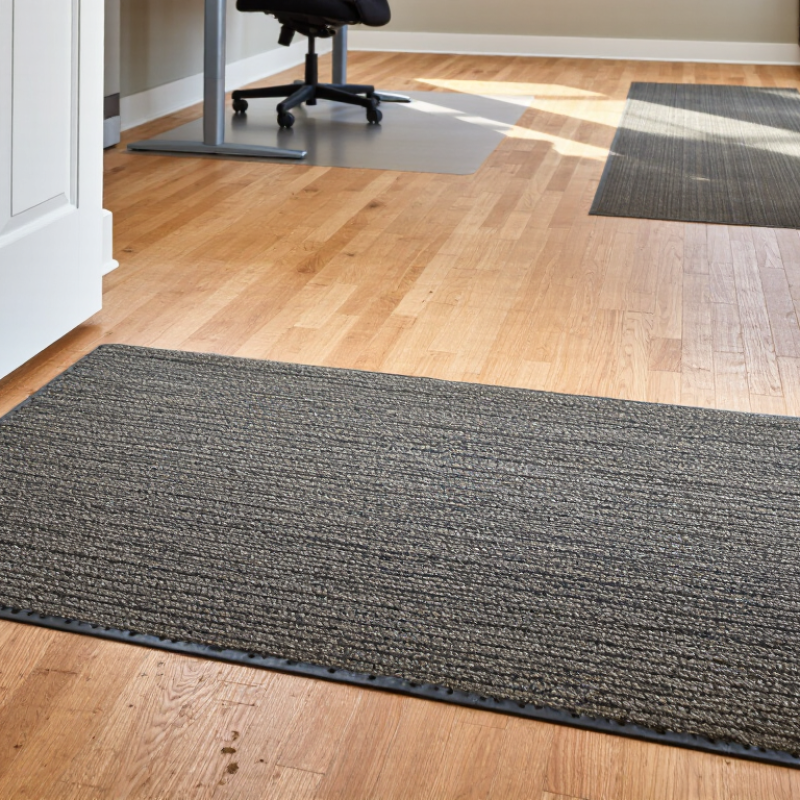
How to Choose the Best Floor Mat Carpet in 2026?
Start with the room, not the color. An entryway needs a scraper-style mat to catch grit and moisture; a kitchen needs a low-profile surface that stays put and is easy to clean. For bedrooms, comfort may matter more than scraping power. Measure the doorway and the walking path. A mat that curls at the edge can become a trip hazard.
Next, match construction to traffic. A busy entrance may need dense fibers, a sturdy backing, and enough length for several steps. In a quiet room, a softer, thinner mat may be perfectly practical. For wet areas, check the grip rather than relying on appearance. ANSI/NFSI B101.1-2009 sets a wet static coefficient of friction of 0.60 as its high-traction benchmark. This is a test standard, not a guarantee for every floor or installation. Keep the underside clean and inspect the edges.
Think about purpose and upkeep together. The Carpet and Rug Institute’s carpet maintenance guidance recommends daily vacuuming in high-traffic areas and prompt attention to spills. That matters: a beautiful mat can quickly look tired near a muddy doorway. I would avoid choosing by fiber name alone; backing, pile height, and cleaning instructions also affect daily use. And one detail is easy to miss: a mat that is too small may collect dirt, but leave the busiest steps uncovered.
| Room or Area | Typical Traffic | Main Purpose | Suitable Mat Construction | Pile and Profile | Backing and Safety | Sizing and Care Tips |
|---|---|---|---|---|---|---|
| Entryway or foyer | High; frequent outdoor shoe traffic | Trap dirt and moisture before they spread indoors | Durable, tightly woven synthetic fiber or a washable scraper-style mat | Low profile to help doors open freely; textured surface can help loosen debris | Use a non-slip backing on a clean, dry floor; check that it is suitable for the floor finish | Choose a width that covers the main walking path. Shake out or vacuum often and wash according to the care label. |
| Kitchen sink or food-preparation area | High, often with repeated standing and spills | Add cushioning underfoot and help catch minor splashes | Low-pile, stain-resistant, washable carpet mat; a supportive anti-fatigue mat may suit prolonged standing | Low pile for easier cleaning; avoid thick edges that can become trip points | Choose a slip-resistant backing or separate compatible rug pad; keep the floor and mat underside dry | Fit the mat within the work area without blocking cabinets, appliances, or walkways. Clean spills promptly. |
| Living room | Moderate to high, depending on household use | Define a seating area, add softness, and protect the floor | Woven or tufted area rug in a fiber suited to the household’s cleaning needs | Low or medium pile is generally easier to vacuum than deep pile | Use a rug pad compatible with both the rug and floor surface to help reduce movement | As a common layout guide, place at least the front legs of seating furniture on the rug. Vacuum regularly. |
| Bedroom beside the bed | Low to moderate | Provide a soft, warm surface for getting in and out of bed | Plush, tufted, or woven carpet mat selected for comfort and maintenance | Medium or deeper pile can feel softer; consider a lower pile if easy vacuuming is a priority | A compatible rug pad can help limit sliding, especially on smooth floors | Measure the available space and door clearance before choosing a size or thickness. Vacuum using a setting suitable for the pile. |
| Bathroom or beside a shower | Moderate; exposed to water and humidity | Absorb water and provide a more comfortable standing surface | Quick-drying, washable bath mat designed for damp areas | Low or medium pile that can dry fully between uses | Use only a backing suitable for the floor type; lift the mat regularly so both the mat and floor can dry | Check the care label for washing and drying instructions. Do not leave a saturated mat on the floor. |
| Home office | Moderate; concentrated movement around a desk | Protect the floor from chair movement and add cushioning | Low-pile, dense carpet mat or a chair mat specifically made for the floor and chair type | Keep the surface firm and low enough for chair wheels to roll smoothly | Check that the backing or chair mat is approved for the floor material to reduce the risk of marking or discoloration | Cover the chair’s normal rolling area while keeping edges outside the main walking route where possible. Clean dust and grit regularly. |
| Hallway or corridor | High; repeated foot traffic in a narrow path | Protect the floor and provide a continuous walking surface | Durable, tightly woven runner with a pattern or color that suits the space | Low profile to reduce catching at edges and allow doors to swing | Use a properly fitted, compatible runner pad; keep the runner flat and secure | Measure the corridor and leave a consistent border of exposed flooring where practical. Vacuum along the traffic path frequently. |
| Stairs | High, with regular foot contact on a small area | Add a carpeted walking surface and help protect stair treads | Purpose-made stair carpet or stair treads installed for the stair material | Low pile with firmly finished edges to reduce snagging | Secure installation is essential; loose mats or unsecured runners can create a serious trip hazard | Measure each tread and follow the installation method recommended for the stairs. Check regularly for lifting edges or loose fasteners. |
Selection note: Traffic levels and cleaning needs vary by household. Before buying, measure the space, check door clearance, and confirm that the mat and any backing or pad are compatible with the floor surface.
 Questions? Give Us A Call!