Why Choose the Right Exterior Door for Your Home?
Choosing the right exterior door for your home is crucial. An exterior door impacts aesthetics, energy efficiency, and security. According to a report published by the Door and Access Systems Manufacturers Association, nearly 75% of homebuyers prioritize exterior doors when looking for energy efficiency. This statistic highlights their importance in the decision-making process for homeowners.
Industry expert, Mark Johnson, emphasizes, "The right exterior door not only enhances visual appeal but also improves your home’s protection against weather elements." His insights reflect the dual role these doors play. They must be both functional and attractive, balancing aesthetics with durability.
In a world where designs continually evolve, the choice of an exterior door can feel overwhelming. Many homeowners overlook the details that create a lasting impact. The right door can enhance curb appeal, leading to higher property value. However, not all doors offer the same benefits. Thoughtful consideration is essential in this decision, as neglecting these factors may lead to regret down the line.
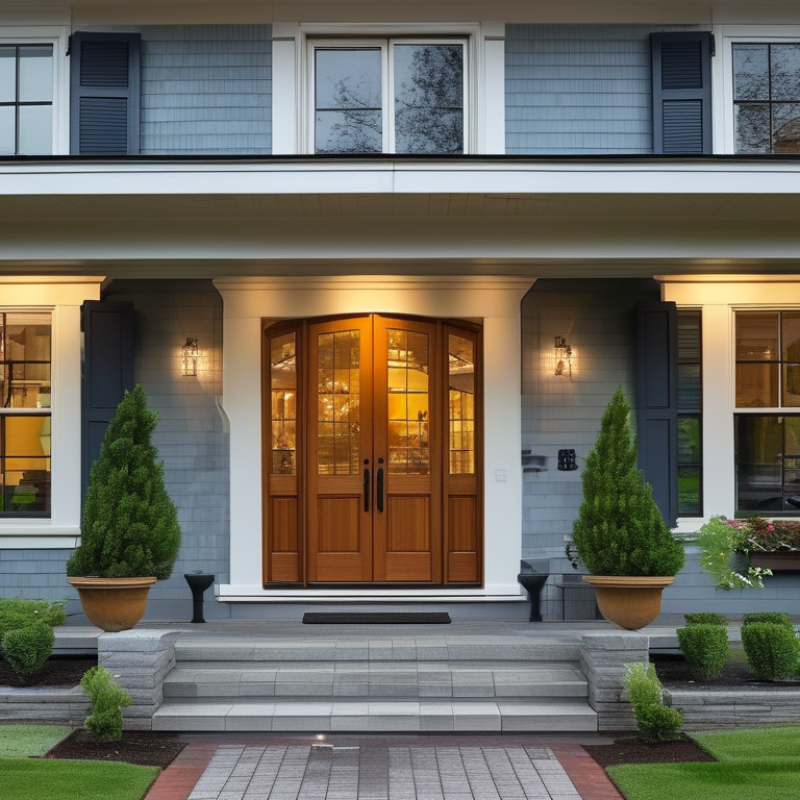
Factors to Consider When Selecting an Exterior Door
Choosing the right exterior door can transform your home’s appearance. Several factors influence this decision. Material is one key element. Wood doors offer warmth, but they require more maintenance. Steel doors are durable and secure but can be prone to dents. Fiberglass doors combine strength with aesthetics, making them a popular choice.
The door’s style is also crucial. Consider your home's architecture. A sleek modern door may clash with a rustic house design. You want harmony in your exterior. Don't forget about energy efficiency. Look for doors with good insulation to maintain your home’s temperature.
Another aspect to think about is security features. A door is your first line of defense. Look for solid cores, high-quality locks, and reinforced frames. Reflect on your needs. Sometimes, we overlook how a door’s color and finish can impact curb appeal. It’s about balancing functionality and style, which can be challenging. Each choice comes with trade-offs, so weigh them carefully.
Different Types of Exterior Doors and Their Benefits
Choosing the right exterior door is vital for enhancing your home's appearance and security. There are various types of exterior doors available, each with distinct benefits. For instance, wooden doors offer classic charm and natural insulation. Their natural grain enhances curb appeal but may require regular maintenance to prevent rotting and warping.
Steel doors, on the other hand, provide excellent durability and security. They are resistant to weather conditions and can deter break-ins. However, they may dent easily and can require repainting over time. Fiberglass doors strike a balance between aesthetics and performance. They mimic the look of wood while being low-maintenance and energy-efficient. Yet, they might not provide the same level of insulation as solid wood.
When selecting an exterior door, consider your priorities. Think about the weather, security needs, and overall style. Each type presents unique advantages and potential drawbacks, necessitating careful reflection. A door should not only serve its function but also complement your home’s design. Ultimately, the choice significantly impacts the comfort and safety of your living space.
Understanding Energy Efficiency in Exterior Door Choices
Choosing the right exterior door can significantly impact your home's energy efficiency. Doors account for about 10-15% of a home's energy usage. Poorly insulated doors can lead to air leaks, causing increased heating and cooling costs. The Department of Energy suggests that a new door can save a homeowner up to 30% on energy bills annually.
When selecting a door, consider materials and insulation. Steel doors, for example, often offer higher insulation values compared to wooden ones. A well-insulated door can have a U-factor as low as 0.20. This metric measures thermal transfer. Lower U-factor values indicate better insulation. However, not all steel doors are created equal. It's essential to investigate the insulation quality of specific models.
Installation quality also plays a critical role. A poorly installed door can negate its energy-efficient features. Gaps can develop over time, allowing drafts to infiltrate your home. The ENERGY STAR program emphasizes the importance of proper installation for maintaining energy efficiency. Homeowners should ensure their doors are aligned and sealed correctly to maximize performance.
Why Choose the Right Exterior Door for Your Home? - Understanding Energy Efficiency in Exterior Door Choices
| Door Type |
Material |
Energy Efficiency Rating |
Average Cost ($) |
Lifespan (Years) |
| Fiberglass |
Composite |
R-5 to R-8 |
800 |
30 |
| Steel |
Metal |
R-3 to R-6 |
500 |
20 |
| Wood |
Natural Wood |
R-2 to R-3 |
600 |
15 |
| Vinyl |
PVC |
R-4 to R-7 |
700 |
25 |
The Impact of Material on Door Durability and Security
Choosing the right exterior door goes beyond aesthetics. The material influences durability and security significantly. Two common materials are wood and fiberglass. Wooden doors offer a classic appeal but can warp over time. Fiberglass doors resist the elements well, making them a popular choice for busy households.
When selecting a door, consider the climate in your area. Extreme temperatures can affect wood doors more severely. Ensure that the door has good insulation properties for energy efficiency. Look for doors that have been tested for impact resistance. This can provide an added layer of safety against break-ins.
Tips: Always check the door's warranty. A longer warranty often indicates better quality. Consider hiring a professional installer. An improperly installed door can compromise both security and durability. Regular maintenance is key. Inspect seals and hardware regularly to ensure optimal performance.
Design and Aesthetic Considerations for Home Curb Appeal
When it comes to enhancing curb appeal, the exterior door plays a crucial role. A well-chosen door can set the tone for your home's overall design. Its style, color, and material should reflect your personal taste. For instance, a bold red door can evoke warmth and welcome, while a sleek black door offers a modern edge. The right choice creates a focal point that draws the eye.
Think about how the door's design complements your home's architecture. Traditional homes might benefit from classic styles with intricate detailing. In contrast, a contemporary house can look stunning with minimalist designs. Don't overlook the impact of hardware too. Unique handles and locks add character and polish.
Consider the door's functionality alongside aesthetics. It needs to be durable and energy-efficient, yet it should align with your vision. Ensure it frames your entryway correctly. If the door feels awkward or disproportionate, it might detract from your home's beauty. Always reflect on how your choice resonates with the entire façade. A door that looks perfect in isolation may clash with the rest of your home.



 Questions? Give Us A Call!