How to Choose the Right Interior Doors for Your Home?
Choosing the right interior doors for your home can be a challenging task. Interior doors serve both functional and aesthetic purposes. They provide privacy, reduce noise, and enhance the overall look of your rooms. With various styles, materials, and colors available, it is easy to feel overwhelmed.
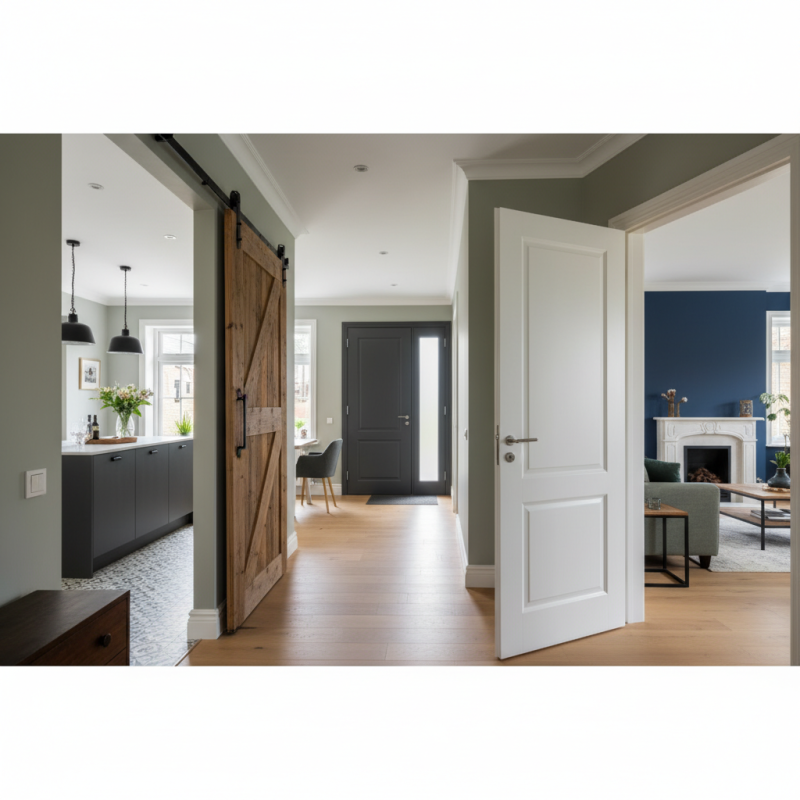
Consider the atmosphere you want to create. Whether it is a classic, modern, or rustic vibe, your interior doors should reflect that vision. Each type of door brings different characteristics. A solid wood door offers warmth and durability, while a sliding barn door can evoke a casual charm. Don’t ignore the influence of color; a bold choice can serve as a statement piece.
Take your home's layout and existing decor into account. Sometimes, people overlook how door styles and finishes interact with other elements. It’s vital to find harmony while balancing individuality. Reflect on your choices. Are they truly practical? Will they age gracefully? Interior doors might seem trivial, but they play a significant role in shaping your living space.
Factors to Consider When Choosing Interior Doors
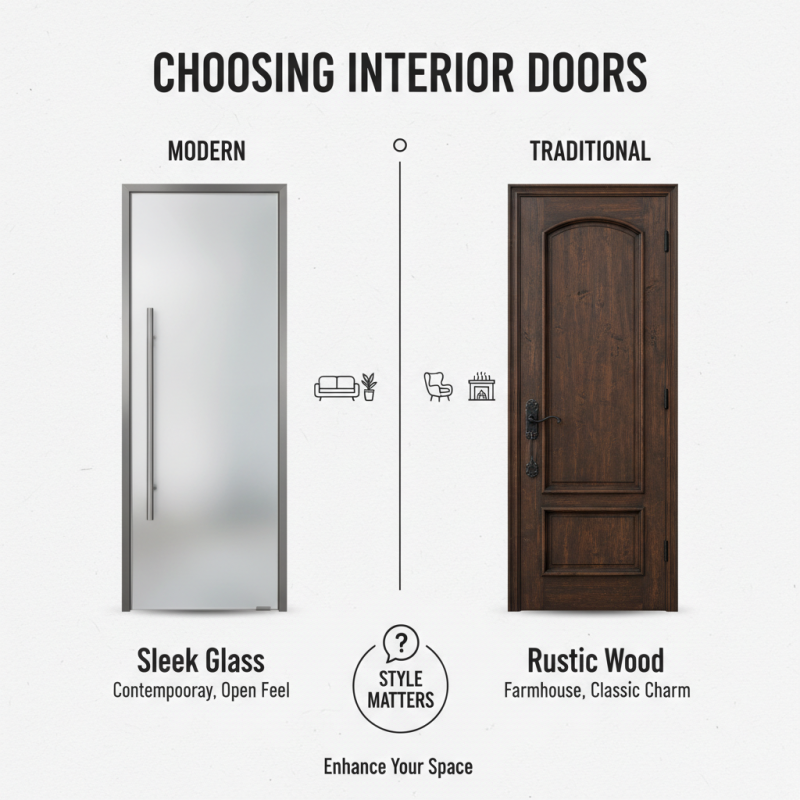
Choosing the right interior doors for your home requires careful consideration. Start by thinking about the style of your space. Are you going for modern or traditional looks? This decision impacts the door design significantly. A rustic wooden door can enhance a farmhouse vibe, while sleek glass doors might suit a contemporary space.
Next, consider the size and functionality. Measure the door frame accurately. Will you need a swing door or a sliding option? Sliding doors save space, but they might lack sound insulation. Additionally, think about the material. Solid doors offer better privacy and durability. Hollow-core doors are lightweight and cost-effective. Both have their own charm but function differently.
Don’t forget color and finish. Light colors can make a room feel larger, while dark colors add warmth. You might find that the finish impacts the overall aesthetic. A matte finish gives a modern look, while gloss paints can be classic. Remember to balance aesthetics with practicality. It's an ongoing reflection of your home's identity. Each choice shapes your living environment, so choose wisely.
Types of Interior Doors Available for Homes
Choosing the right interior doors can transform your home's ambiance. Different types of interior doors cater to various needs and styles. Let’s explore some common door types, highlighting their unique features.
Sliding doors are practical and space-saving. They glide along a track, allowing easy access without swinging into the room. Consider using them for closets or small rooms. However, they might not provide complete soundproofing. Think about that if privacy is essential.
French doors can add elegance and charm. Their dual-panel design allows for ample natural light. This option is great for connecting rooms or leading to a patio. Yet, they require clearance space when opened. Evaluate your layout before choosing.
Tips: Always measure your openings carefully. Consider door thickness as it affects insulation. Styles like pocket doors can help where space is limited. Reflect on the door materials, as wood provides warmth while metal offers durability. Take your time to choose wisely, as doors play a key role in function and design.
Types of Interior Doors Available for Homes
Materials Used in Interior Door Construction
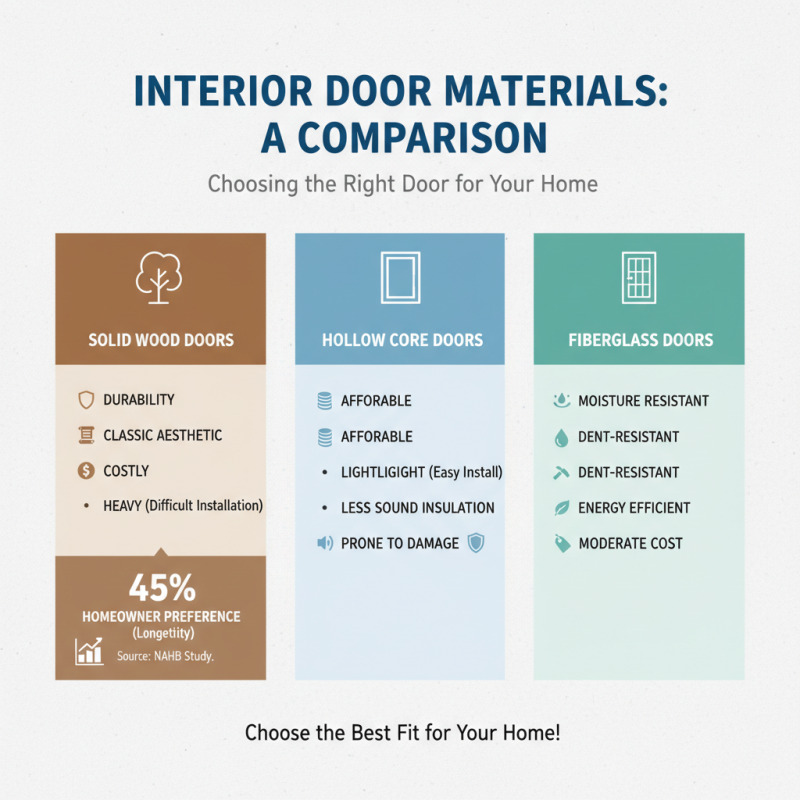
When selecting interior doors, the materials used in their construction play a crucial role. Common options include solid wood, hollow core, and fiberglass. Solid wood doors offer durability and a classic aesthetic. However, they can be costly and heavy, affecting installation. A study by the National Association of Home Builders indicates that solid wood doors are preferred by 45% of homeowners for their longevity.
Hollow core doors are a popular alternative, often made from a honeycomb structure. They are lightweight and economical, making them a choice for many budget-conscious remodelers. However, they may lack the sound insulation that heavier doors provide. According to a report from Home Advisor, hollow core doors account for nearly 55% of the interior doors sold in the United States, appealing to those seeking affordability.
Fiberglass doors have gained traction due to their low maintenance and resistance to humidity. They can mimic the look of wood but might not have the same appeal for classic design lovers. Industry experts suggest that while fiberglass doors are versatile, they can be less durable than solid wood options in high-traffic areas. Choosing the right material should reflect both aesthetic values and functional needs, as each type has its strengths and weaknesses.
Styles and Designs to Match Your Home Decor
Choosing the right interior doors can significantly enhance your home’s overall aesthetic. When considering styles, think about the design elements that resonate with your decor. For a modern look, sleek, minimalist doors with clean lines work well. They can create a sense of openness. White or light-colored options can also make a room feel larger.
On the other hand, vintage or rustic homes may benefit from wooden doors with intricate details. Distressed finishes add warmth and charm, giving a nod to craftsmanship. Consider glass-paneled doors for transitional spaces. They allow light to flow while adding character. However, they require more cleaning and maintenance.
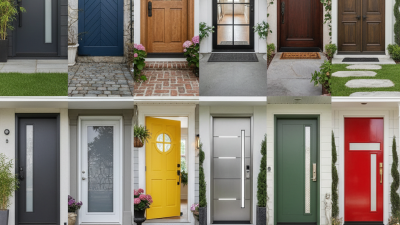
Color is another essential factor. Neutral tones are versatile but can sometimes feel bland. A bold color, like deep blue or forest green, can make a striking statement. It’s about personal preference. Ultimately, the choice should reflect your style. Don’t rush the process. Take time to visualize how each door will fit into your space.
Budgeting for Your Interior Door Purchase and Installation
When budgeting for interior doors, it's essential to consider various factors that influence costs. According to the National Association of Home Builders, the average price of interior doors can range from $100 to $1,500, depending on materials and styles. For instance, solid wood doors often fall on the higher end of the scale, while hollow-core doors are more budget-friendly. Installation costs can add an additional $50 to $200 per door, making it crucial to plan your budget accordingly.
It's easy to underestimate the expenses related to door selection and installation. Many homeowners focus solely on the door price, neglecting other essential costs. Factors such as hardware, finishing, and potential structural changes can significantly impact your overall spending. HomeAdvisor reports that unexpected costs can arise, leading to an average overspend of 15% on home projects.
Considering both quality and expenses is vital. While it may be tempting to choose the cheapest option, lower-quality doors may require earlier replacements or repairs. This could lead to higher long-term costs. Assessing the balance between initial investments and durability can help you make a more informed decision. Remember, investing wisely in interior doors can enhance your home's value and functionality over time.
How to Choose the Right Interior Doors for Your Home?
| Door Type |
Material |
Estimated Cost ($) |
Installation Difficulty |
Average Lifespan (Years) |
| Solid Wood |
Wood |
400 - 800 |
Moderate |
30 - 50 |
| Hollow Core |
Composite |
100 - 200 |
Easy |
15 - 20 |
| French Doors |
Glass/Wood |
500 - 1200 |
Moderate to Hard |
20 - 30 |
| Sliding Doors |
Aluminum/Glass |
600 - 1500 |
Moderate |
25 - 35 |
| Bi-fold Doors |
Wood/Composite |
700 - 1300 |
Hard |
20 - 30 |


 Questions? Give Us A Call!