What is a Coffee Table and How to Choose the Best One?
A Coffee table is a vital piece of furniture in any living space. It serves practical purposes while enhancing the room’s aesthetic. Industry reports indicate that the coffee table market is projected to reach $3.5 billion by 2025, reflecting a growing interest in stylish and functional designs. Renowned interior designer Mark Thompson states, "A coffee table should not only be functional but also serve as a centerpiece that sparks conversation."
Choosing the best coffee table requires careful consideration of size, material, and style. An ideal coffee table complements the overall decor and meets the needs of its users. With various options available, many people struggle to find the perfect fit. Research suggests that 72% of consumers feel overwhelmed by choices in home furnishings. Selecting a coffee table that aligns with both personal taste and space constraints is essential.
It's important to recognize individual preferences while navigating this market. Some prioritize functionality, while others may focus on aesthetic appeal. Balancing these aspects can be challenging. Ultimately, a coffee table should resonate with the owner's lifestyle and design ethos, creating a harmonious atmosphere. Hence, reflection on each choice is crucial as it defines the character of the living space.
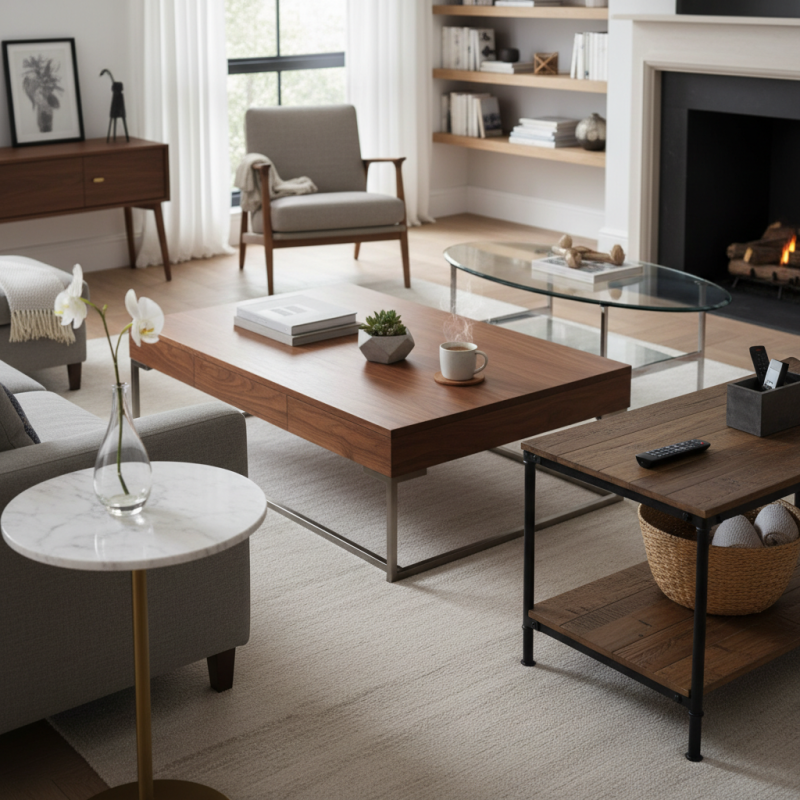
What is a Coffee Table? Definition and Functionality
A coffee table is a central piece of furniture typically placed in front of a sofa. It serves various functions, from holding drinks and snacks to displaying books and decorative items. According to a report by Statista, the global coffee table market was valued at approximately $4 billion in 2021 and is projected to grow steadily. This reflects its significance in modern living spaces.
When choosing a coffee table, consider its size and shape. The ideal height is around the same level as your sofa's seat. A rectangular table works well for most living rooms. Round tables can be ideal for smaller spaces or families with kids. Ensure the table complements your room’s design and doesn’t overcrowd the area.
Tips: Always measure your space before purchasing. Look at materials, like wood or glass, for durability and style. Perhaps you’d like to consider a storage option, like a table with drawers. These options can be practical, yet they can sometimes clutter the space. As trends change, reflect on whether your coffee table will still fit your needs in a few years.
Types of Coffee Tables: Styles and Materials Explained
Coffee tables come in various styles and materials, each offering unique aesthetics and functionality. Wooden coffee tables are classic choices, bringing warmth to any living space. They can be intricately designed or sleek and modern. A rustic wooden table might add charm, while a polished finish can elevate elegance. However, consider the maintenance; wooden surfaces can scratch or warp over time.
Glass coffee tables provide a contemporary look, making spaces feel larger. They often feature metal frames that add a modern touch. However, think about practicality. Glass can be easily smudged and requires regular cleaning. For families with young children, a glass table might not be the safest option.
Metal coffee tables are durable and can blend industrial and modern styles. They offer resilience against wear and tear. But, they may feel cold in a cozy living room. Finally, upholstered coffee tables add a soft touch, perfect for lounging while offering additional storage. However, their fabric can show stains or wear quickly. Each material and style comes with its own pros and cons, making the selection process a bit challenging.
Key Considerations When Choosing a Coffee Table
When choosing a coffee table, several key factors come into play. Size is critical. An ideal coffee table should be proportionate to the seating area. According to the American Society of Interior Designers, the average height for a coffee table ranges from 16 to 18 inches. This height ensures comfort and accessibility for users. Aim to leave at least 18 inches between the table and surrounding furniture for ease of movement.
Material can also impact the overall aesthetic and durability of the table. Wood, glass, and metal are common choices, each offering distinct advantages. A market report shows that 45% of consumers prefer wooden coffee tables for their classic appeal and sturdiness. Consider the cleaning and maintenance required for each material type. For example, glass tables might require frequent wiping to avoid showing smudges, while wooden ones may need occasional polishing.
Tips: Always visualize your space with the table's scale in mind. Use painter's tape to mimic the table's dimensions on your floor. This helps in determining fit without committing to a purchase. Lastly, consider whether the table will have dual functions as a storage solution. Many modern designs incorporate drawers or shelves, adding practicality without sacrificing style.
Measuring Space: How to Determine the Right Size for Your Coffee Table
Choosing the right coffee table starts with understanding your space. The average living room is about 250 square feet. This can influence the table size you opt for. A table that is too large can overwhelm a small room. Likewise, a small table may look lost in a spacious area.
Most experts advise that your coffee table should be about two-thirds the length of your sofa. This creates a balanced look and ensures ease of movement. Additionally, the height of your coffee table should match the seat height of your sofa, ideally 1-2 inches lower. If you have children or pets, consider round edges for safety.
Measuring your space carefully can lead to smarter choices. Many people underestimate the footprint of their furniture. The American Furniture Association states that 30% of consumers report dissatisfaction with their furniture size. Avoid this by sketching your room layout. Consider traffic flow as well. Tables should allow easy movement around them. Remember, a well-chosen coffee table can enhance both function and aesthetics in your living area.
Tips for Coordinating Your Coffee Table with Existing Décor
When choosing a coffee table, consider how it complements your existing décor. The shape, color, and material can influence the overall aesthetic of your living space. For example, a sleek glass table might enhance a modern theme, while a rustic wooden piece could add warmth to a cozy room. Pay attention to the harmony between your table and other furniture. The right coffee table can tie the room together.
Textures matter too. A plush fabric or textured surface can create contrast against smooth finishes. Think about scale. A large table can overwhelm a small room, while a tiny one might feel lost in a spacious area. Sometimes, it’s easy to overlook proportions. Take a moment to assess your space before making a choice.
Finally, don’t shy away from personal touches. Add books, candles, or decorative items that reflect your personality. This can make a standard coffee table feel unique. Be ready for adjustments. Your taste may evolve, and that's okay. A coffee table should be functional, yet flexible enough to adapt to your style changes.

 Questions? Give Us A Call!