Top Commercial Door Options for Your Business Needs?
Commercial doors are essential for any business, providing security and functionality. The right choice can enhance aesthetics and improve energy efficiency. According to the National Association of Home Builders, 70% of business owners cite entrance design as crucial for customer first impressions.
Choosing a commercial door involves understanding various options. A report from Grand View Research estimates the commercial door market size will reach $18.7 billion by 2027. This growth highlights the importance of selecting durable and stylish doors. The options available can sometimes feel overwhelming, yet the right door can set the tone for an entire business environment.
However, some doors may not meet specific needs. Businesses often overlook material and design choices, focusing instead on cost. This can lead to security vulnerabilities or poor energy performance. It’s crucial to reflect on long-term impacts when selecting a commercial door. Investing in quality now saves future headaches.
Understanding the Importance of Commercial Doors for Businesses
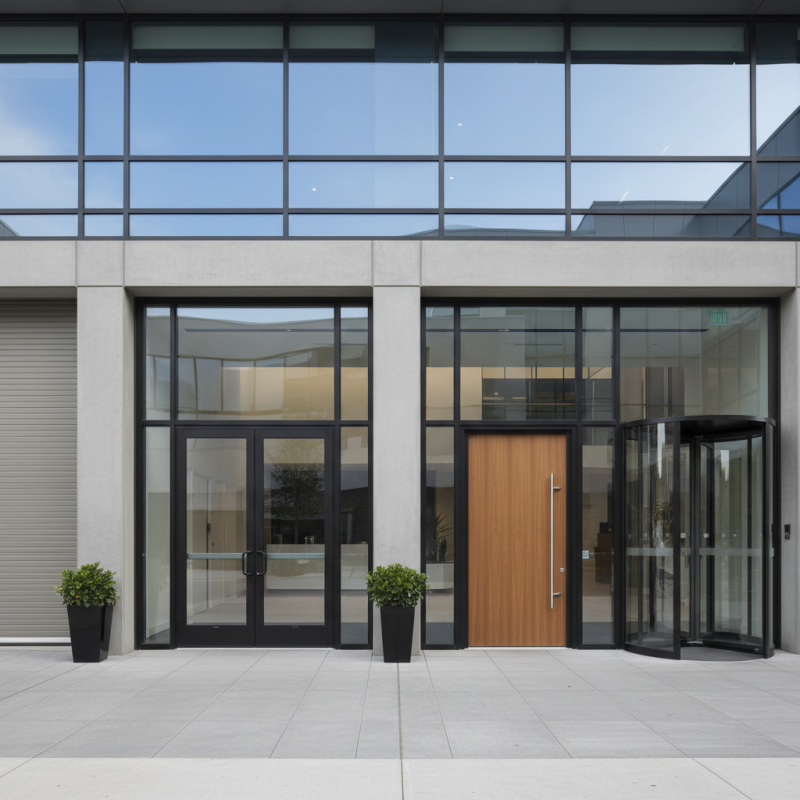
Choosing the right commercial door is essential for any business. It impacts security, aesthetics, and accessibility. A strong door can deter theft and protect your assets. In industries such as retail and hospitality, appearance matters. A well-designed door welcomes customers and sets the tone.
Different businesses have varied needs. For example, a warehouse may prioritize durability over looks. In contrast, an office space may require stylish options. It's important to consider the environment. High traffic areas may need reinforced materials. On the contrary, quieter spaces may benefit from elegant styles. Balancing form and function can be challenging.
Most importantly, the door you choose should fit your specific needs. This process can be overwhelming. You might hesitate between security features and the design aesthetic. Additionally, energy efficiency is crucial. A poorly sealed door can increase energy costs. Reflect on your priorities and make informed choices. The right door is more than a barrier; it shapes your business identity.
Types of Commercial Doors: A Comprehensive Overview
When choosing commercial doors, it's essential to consider various types. Each door type serves different purposes. For instance, roll-up doors excel in warehouses, providing easy access for vehicles. They save space and offer sturdy security. Sliding glass doors work well in retail spaces, creating an inviting atmosphere. Customers can easily see the products inside.
Tip: Always assess the foot traffic in your area. High-traffic zones might need more robust options, like heavy-duty steel doors. Consider fire-rated doors in areas where safety is a priority. These doors are crucial for compliance and can save lives.
Another important type is the hinged door. They are versatile and suited for office spaces. Often, they're used for inner office access. However, they can take up space when opened. Think about whether a door’s swing will hinder operations.
Tip: Measure your available space accurately. This helps in selecting the right door style. Additionally, think about the door's finish. A poorly chosen finish can lead to maintenance issues later on.
Top Commercial Door Options for Your Business
Material Comparisons: Wood, Metal, and Glass for Commercial Use
When choosing commercial doors, the material plays a crucial role.
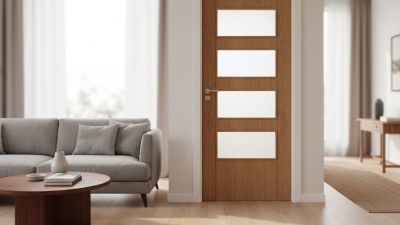
Wood doors bring a classic and warm aesthetic to commercial spaces.
They can provide excellent insulation and soundproofing.
However, wood may require regular maintenance to prevent warping and damage.
This can be a concern for busy businesses that lack time for upkeep.
Metal doors are another popular option. They offer strength and durability, making them ideal for high-security areas.
Metal can withstand severe weather conditions as well.
However, they can be prone to rust and denting if not properly coated or maintained.
Business owners should weigh these potential drawbacks against the longevity of metal doors.
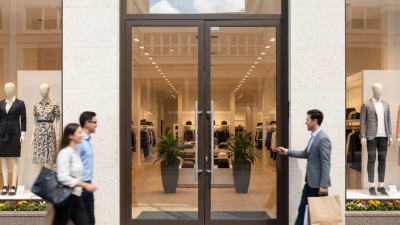
Glass doors are visually appealing and allow natural light into spaces. They create an open, inviting atmosphere.
However, glass can break easily and poses a safety risk.
Regular inspections are necessary to ensure their integrity.
While glass doors enhance visibility, they might lack the privacy some businesses need.
Cost and Maintenance Factors for Commercial Door Options
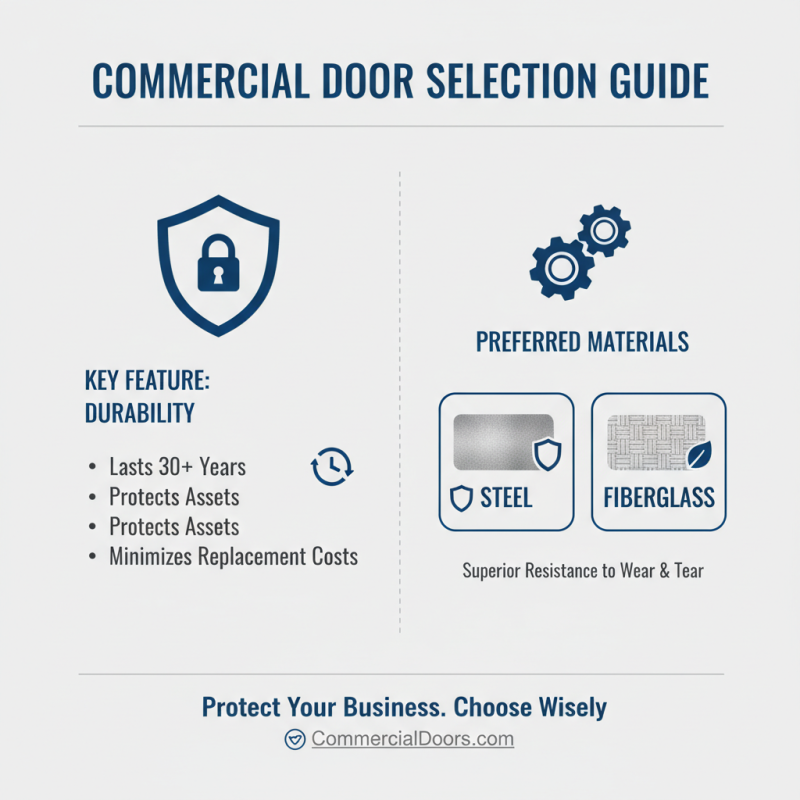
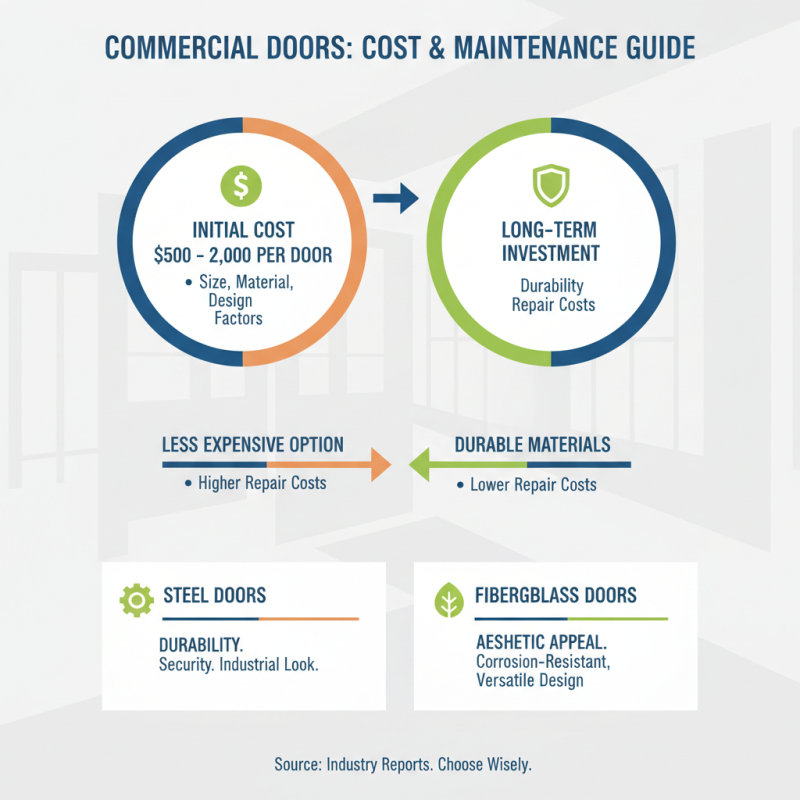
When selecting commercial doors for your business, cost and maintenance are crucial factors. According to industry reports, businesses can expect to spend between $500 to $2,000 for each commercial door. Factors such as size, material, and design influence these costs. Many prefer steel doors due to their durability, while others opt for fiberglass for aesthetic appeal. Understanding the long-term investment is essential. Choosing a less expensive option might lead to higher repair costs over time.
Maintenance is another area to consider. Regular inspections can prolong the life of commercial doors. Neglecting minor repairs can escalate into significant issues. In fact, organizations report that maintaining doors poorly can increase repair costs by up to 30%. Simple actions like lubricating hinges or checking seals can make a considerable difference. Setting aside a budget for ongoing maintenance is wise, yet it is often overlooked.
Many business owners underestimate the impact of weather on door performance. Extreme temperatures can warp materials, leading to increased costs. The initial savings on cheap materials often don’t outweigh the expenses of frequent replacements. This is a reminder that investing in quality doors can save money in the long run. A thoughtful approach can prevent unnecessary financial strain.



 Questions? Give Us A Call!