What Is A Concrete Batch Plant Benefits and Uses Explained
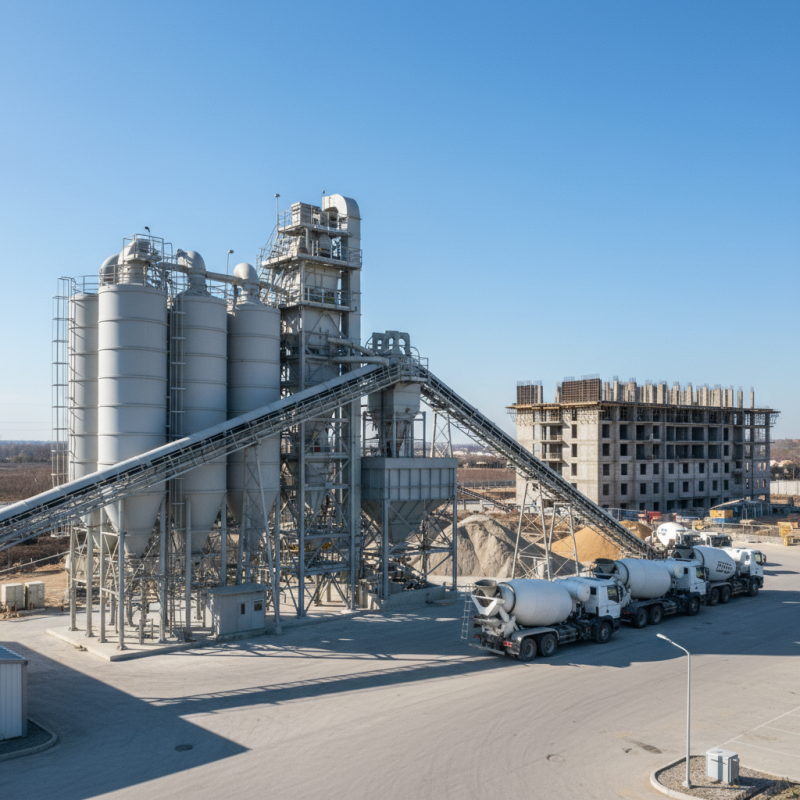
Concrete batch plants play a crucial role in the construction industry. These facilities are designed to mix concrete in precise ratios. According to the National Ready Mixed Concrete Association, over 70% of all concrete produced in the U.S. is made using batch plants. This highlights their importance in delivering high-quality concrete for various projects.
"What Is A Concrete Batch Plant?" asks Dr. John Smith, a leading industry expert. He emphasizes, "These plants ensure consistency and efficiency, which are vital for any construction project." The reliability of batch plants leads to faster project completion and reduced waste.
However, not all batch plants operate optimally. Some may struggle with outdated equipment or improper management, impacting quality. Regular assessments and upgrades are essential. This industry requires a commitment to excellence to meet the increasing demands for sustainable construction practices.
Understanding Concrete Batch Plants: An Overview
Concrete batch plants play a crucial role in the production of concrete for construction projects. These facilities allow for the precise mixing of materials, ensuring consistency and quality. According to a report by the National Ready Mixed Concrete Association, the concrete production industry has grown significantly, with an estimated 410 million cubic yards produced annually in the United States. This highlights the importance of reliable batching processes in meeting market demand.
Understanding how concrete batch plants operate provides insights into their efficiency. They combine cement, water, aggregates, and additives in controlled proportions. A well-functioning batch plant can produce concrete at a rate of 100 cubic yards per hour. However, inefficiencies can arise from improper calibration or equipment malfunctions. Regular maintenance and staff training are crucial to mitigate these risks.
Despite the advantages, concrete batch plants face environmental scrutiny. Emissions can result from dust generation and water usage. According to the Environmental Protection Agency, effective measures must be adopted to minimize these impacts. This focus on sustainability pushes the industry to innovate, adapting practices to balance production needs and environmental responsibility.
Key Components of a Concrete Batch Plant Explained
Concrete batch plants are essential for producing concrete efficiently. They consist of various key components that work together to ensure quality and consistency. One of the primary components is the mixer. It blends raw materials like cement, aggregates, and water. A well-functioning mixer is vital for achieving the desired concrete strength. Research indicates that properly mixed concrete can increase structural longevity by up to 15%, making investment in high-quality mixers worth considering.
Aggregates are another crucial element in these plants. They can represent up to 70% of the concrete's volume. The quality and grading of aggregates directly affect the final product's durability and workability. Industry studies reveal that using optimized aggregate blends can significantly enhance the performance of concrete while minimizing waste. However, not all batch plants use accurate aggregate measuring systems. This can lead to inconsistencies that may cause project delays or increased costs.
Water measurement is equally important. The right amount of water affects the hydration process. Too much water can weaken the concrete, while too little can lead to poor mixing. Industry data suggests that an optimal water-cement ratio can improve concrete strength by over 20%. However, achieving this consistency requires experience and diligent monitoring, which not all batch plants may sufficiently prioritize. These components highlight the intricate balance required in concrete production.
Benefits of Using Concrete Batch Plants in Construction
Concrete batch plants play a critical role in modern construction. They enable the production of high-quality concrete. According to the National Ready Mixed Concrete Association, around 70% of concrete used in commercial construction is produced in batch plants. This statistic demonstrates their widespread use and importance in the industry.
Batch plants offer several advantages. They ensure precise control over the concrete mix. Consistency in the mix improves the structural integrity of buildings. Automated systems can adjust mix designs based on project specifications. This capability reduces waste and optimizes material usage. A study by the Portland Cement Association highlights that using batch plants can save up to 30% of material costs on large projects.
However, challenges exist. Not all batch plants are fully automated. Operational inefficiencies can arise from manual processes. Additionally, fluctuating raw material quality can affect the final product. Concrete producers must address these issues to maintain credibility and customer satisfaction. With proper management, the benefits of concrete batch plants can significantly outweigh the downsides.
Applications of Concrete Batch Plants Across Industries
Concrete batch plants serve various industries. They mix concrete on-site, ensuring that the product meets specific requirements. This flexibility is essential for construction, landscaping, and more. For large projects, having a dedicated batch plant can enhance efficiency. The precise control of ingredients leads to better quality concrete.
In the construction industry, batch plants are crucial. They enable the production of different concrete types for diverse applications. For instance, ready-mix concrete is often used for building foundations. Smaller projects might require more specialized mixes. Additionally, mobile batch plants allow for quick setup in remote locations. This accessibility can reduce transport costs and minimize delays.
Manufacturing sectors also benefit from concrete batch plants. They provide the materials necessary for producing precast concrete products. This includes beams, slabs, and blocks. The ability to customize mixes allows for innovation in design. However, not all batch plants operate efficiently. Poor management can lead to waste and quality issues. It's vital for operators to continually assess their processes to improve outcomes.
Applications of Concrete Batch Plants Across Industries
This chart illustrates the application of concrete batch plants across different industries, showing the estimated concrete usage in tons for each sector. Construction leads with the highest consumption, followed by infrastructure and residential projects. This data highlights the importance of concrete batch plants in fulfilling the demands of various construction activities.
Factors to Consider When Choosing a Concrete Batch Plant
Choosing a concrete batch plant involves several crucial factors. First, assess your project’s scale. Small projects require different capacities than large construction sites. Understanding your needs helps avoid over or under-investment.
Next, consider the location of the batch plant. Proximity to raw materials can significantly impact operational efficiency. A plant too far from suppliers may increase transportation costs and delay delivery. Evaluate the infrastructure in the area, as accessibility can influence workflow.
Power and production capabilities are other vital elements. Some plants offer various mixers or automated systems. Choosing the right technology can optimize your process but might require a higher initial investment. Remember, not all high-tech solutions suit every project. Striking a balance between modernity and practicality can be challenging. Reflecting on past project needs may provide insight here.
What Is A Concrete Batch Plant Benefits and Uses Explained
| Dimension | Description |
| Production Capacity | Can range from 20 to 400 cubic meters per hour depending on the type |
| Type of Plant | Stationary, portable, or mobile batch plants |
| Uses | Residential, commercial, and infrastructure projects |
| Mix Design | Customizable to meet project specifications |
| Cost Factors | Initial investment, operational costs, and maintenance expenses |
| Location | Proximity to construction sites and availability of raw materials |
| Environmental Impact | Consideration of emissions and waste management strategies |
| Regulations | Compliance with local and federal construction guidelines |

 Questions? Give Us A Call!