What is a Deck Screw and Its Best Uses for Buyers?
deck screws are an essential component in construction, particularly for outdoor projects. These specialized screws are designed for decking applications, offering durability and resilience against the elements. Buyers might wonder why deck screws are vital. Their unique features cater to the specific demands of building decks and outdoor structures.
Crafted from corrosion-resistant materials, deck screws provide unmatched strength. They ensure stability and longevity in various weather conditions. However, choosing the right deck screw is not always straightforward. Buyers often grapple with the appropriate size, type, and material. Misunderstanding these factors can lead to failures in construction, which is a costly mistake.
When using deck screws, one must consider the specific project requirements. Factors such as wood type, climate, and load-bearing needs all play a role. While deck screws are often perceived as straightforward, their selection can reveal complexity. Learning from past experiences can help buyers make informed decisions for their projects.
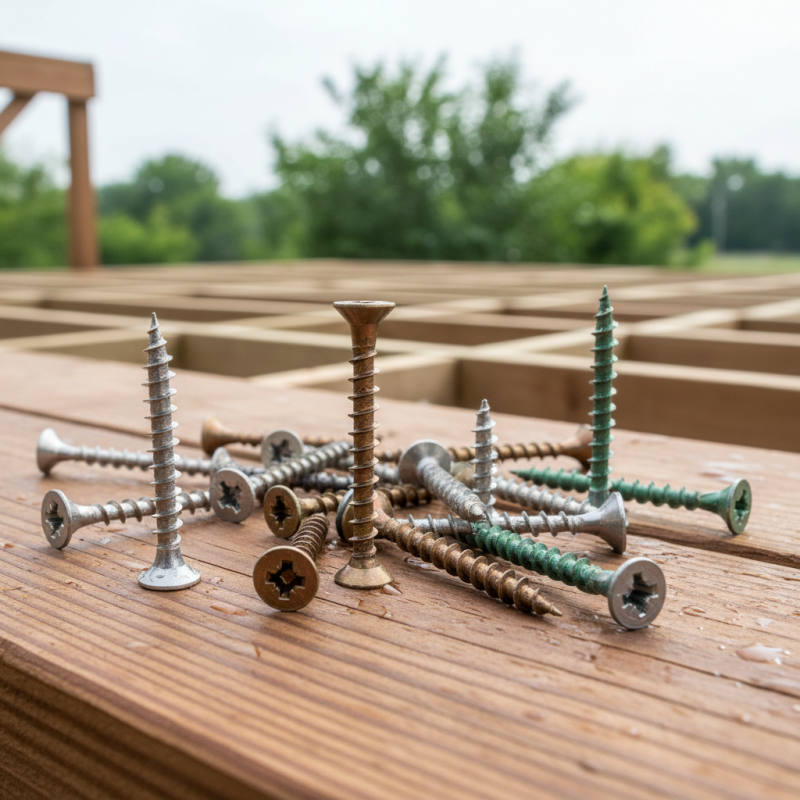
What is a Deck Screw?
Deck screws are essential fasteners designed for outdoor construction projects. They are specifically made to withstand harsh weather conditions, resist corrosion, and provide a strong hold. A quality deck screw usually features a unique thread design that ensures greater grip, enabling secure attachments for decks, fences, and patios. Reports indicate that using deck screws can significantly enhance the longevity of outdoor structures, reducing maintenance costs by up to 30%.
The material used in deck screws also plays a vital role. Most are made from stainless steel or coated with special compounds to resist rust. Industry research shows that stainless steel deck screws outperform their counterparts in longevity. However, buyers should consider cost versus durability. Sometimes, cheaper options lead to more frequent replacements. This cycle can negate any initial savings, highlighting the importance of investing in quality screws.
When selecting deck screws, pay close attention to size and length. A proper fit is crucial for the stability of the structure. Too long, and they may split the wood; too short, and they won’t provide enough support. It’s a balancing act that requires thought and careful consideration. Many buyers overlook this detail, leading to unnecessary rework and frustration. Proper knowledge can help avoid these common pitfalls.
Components and Design Features of Deck Screws
Deck screws are essential for various outdoor projects. When selecting them, it’s vital to understand their components and design features. Deck screws typically feature a sharp tip for easy penetration into wood. Their threading extends along the entire length, providing superior holding power. This design helps prevent motion and loosening, which is key for structural integrity.
Many deck screws are coated to resist corrosion. A study from the National Association of Home Builders states that untreated screws may fail in just a few years under outdoor conditions. The best screws are often made from stainless steel or coated with a polymer to enhance durability. This is crucial because exposure to moisture can lead to significant rust and decay over time.
**Tips:** Always choose screws specifically designed for deck use. They provide the necessary strength and resistance to the elements. When working with treated lumber, ensure your screws are compatible to avoid damaging the wood. Critical research indicates that using the right type of screw can extend the life of your deck significantly.
Best Uses for Deck Screws
Best Materials for Deck Screws: A Buyer’s Guide
When selecting deck screws, understanding the materials is crucial. Stainless steel is popular for its rust resistance. It works well in humid climates and near saltwater. However, it can be costlier than other options. Consider how long you want your project to last. If budget permits, stainless steel is a reliable choice.
Another material to consider is carbon steel. It’s stronger and often less expensive than stainless steel. Yet, carbon steel may corrode when exposed to moisture. It usually requires a protective coating. Be cautious of the environment where the deck will be placed. If you live in a wet area, carbon steel might not be the best option.
Composite materials are also on the rise. They resist rust and corrosion, making them ideal for outdoor use. Buyers should know that not all composites are created equally. Some may not hold up over time. Read reviews and ask for expert advice.
In conclusion, the best material depends on individual needs and specific project conditions. Always think carefully about what will work best for your situation.
Common Applications of Deck Screws in Construction
Deck screws play a vital role in construction. Their unique design features a sharp point and deep threads. These characteristics make them ideal for wood and composite materials. According to a 2023 construction industry report, deck screws can resist corrosion and provide a secure hold, especially in outdoor applications. These features enhance durability and longevity.
Commonly, deck screws are used in building decks, fences, or outdoor furniture. Their compatibility with treated lumber is significant. Many builders report fewer failures when using screws over nails. In a survey of construction professionals, 78% preferred screws for outdoor projects due to their strength. However, some screws may strip under too much torque. This necessitates careful selection for specific tasks.
Another application is in securing structural components. For instance, staircases and railings require sturdy attachment. Here, the right screw type is crucial. If chosen incorrectly, it can lead to structural issues. A study in the Journal of Construction Engineering highlighted the importance of selecting proper fasteners. The findings suggest that improper choices create potential safety hazards. Thus, understanding deck screw applications leads to safer and more reliable constructions.
What is a Deck Screw and Its Best Uses for Buyers? - Common Applications of Deck Screws in Construction
| Application | Description | Material Compatibility | Length Options (inches) |
| Decking | Used for fastening decking boards to joists in outdoor environments. | Wood, Composite | 2", 2.5", 3" |
| Fencing | Secures fence panels to posts and ensures durability against weather elements. | Wood, Vinyl | 2", 2.5" |
| Railings | Attachment of railings to decks and stairs for safety and aesthetics. | Wood, Metal | 2", 3" |
| Furniture Assembly | Used in assembling outdoor furniture pieces such as tables and benches. | Wood, Composite | 1.5", 2" |
| Siding Installation | Fastening siding materials to the exterior framework of a building. | Wood, Fiber Cement | 1.75", 2.25" |
Key Factors to Consider When Choosing Deck Screws
When choosing deck screws, several key factors can greatly influence your project’s success. First, consider the screw material. Stainless steel is resistant to rust, making it an excellent choice for outdoor use. However, it can be expensive. Coated screws can offer similar durability at a lower price point but may not be quite as long-lasting. Each option comes with its trade-offs.
Next, think about the screw length and diameter. A screw that is too short may not provide enough grip. Conversely, one that is too long can split the wood. The recommended length is typically two to three times the thickness of the deck board. Additionally, the screw head type matters. Options like flat or round heads have different applications in achieving a clean finish.
Lastly, pay attention to the threading. Deck screws with sharp threads provide better penetration. They also reduce the risk of splitting. While these details seem minor, they significantly affect your overall build quality. Reflecting on these factors can help ensure you make informed choices that lead to a successful deck project.

 Questions? Give Us A Call!