How to Embrace Industrial Automation and Robotics Innovation in 2026?
As we enter 2026, the landscape of Industrial Automation And Robotics Innovation is rapidly evolving. Renowned expert Dr. Jane Thompson, a leader in robotics research, emphasizes, “The future demands a rethinking of how we integrate machines into our workflows.” Her insight reflects the necessity of adapting to these changes.
Industries face unprecedented challenges and opportunities in automation. Many companies hesitate to fully embrace automation, fearing job losses and operational disruptions. However, the potential for efficiency and precision offers compelling reasons to innovate. Simple tasks can now be managed by robots, freeing human workers to focus on complex problems.
Embracing Industrial Automation and Robotics Innovation requires a culture shift. Organizations must invest in training and resources to equip workers with new skills. Navigating this transition is not only about technology; it’s about people and processes. Acknowledging potential pitfalls is vital for a successful transformation. The journey may be imperfect, but one thing is clear: the path to the future is paved with automation.
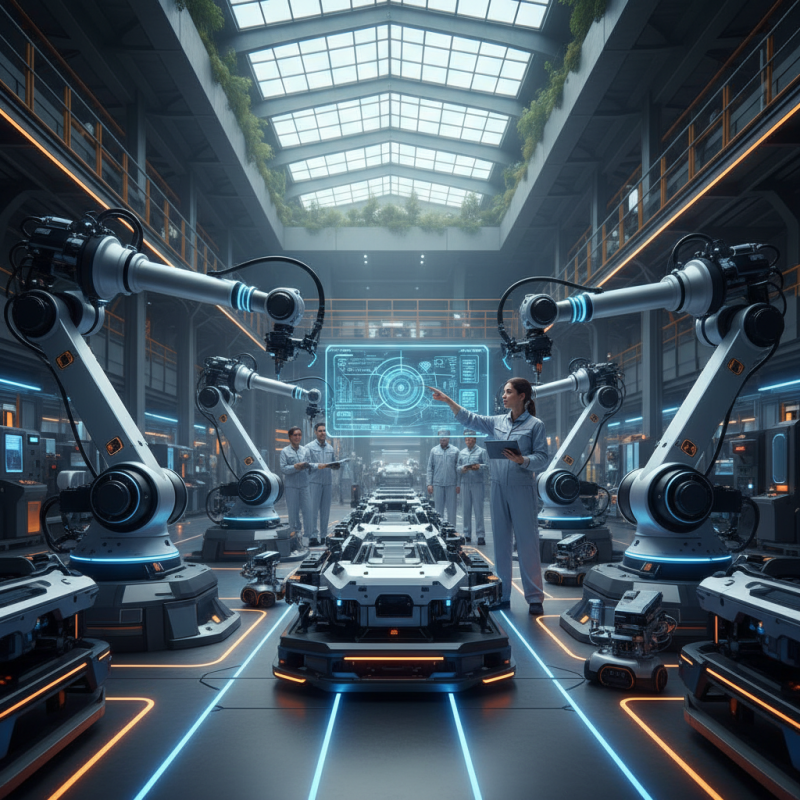
Understanding Industrial Automation: Key Concepts and Trends
Industrial automation is transforming industries. In 2026, it is set to be more innovative and widespread than ever. A recent report predicts that the global industrial automation market will reach over $320 billion by 2026. Key concepts include robotics, artificial intelligence, and predictive maintenance.
As companies adopt automation, it's crucial to understand trends. Robotics is not just about machines replacing humans. It's about collaboration. Many factories now use cobots—collaborative robots—that work alongside humans. This collaboration increases productivity while ensuring safety.
Tip: Invest in training your workforce. Upskilling is essential for adapting to new technologies. Employees should feel comfortable working alongside robots.
Another trend involves data analytics. Automation generates vast data flows. Analyzing this data enables better decision-making. Companies can optimize processes and predict equipment failures before they happen.
Tip: Implement a strong data management system. Harnessing insights requires robust infrastructure.
Embracing these innovations may involve challenges. Not all companies are prepared for this shift. Assessing readiness is key. Understanding both potential and pitfalls will guide organizations toward successful automation integration.
The Role of Robotics in the Future of Manufacturing and Production
The manufacturing landscape is rapidly evolving, heavily influenced by robotics. By 2026, global spending on robotics in manufacturing is projected to surpass $210 billion, illustrating the industry's shift toward automation. This surge is primarily driven by the demand for efficiency and precision. Manufacturers are increasingly adopting robotic solutions to streamline workflows and reduce human error.
As robots become more integrated into production lines, the benefits are tangible. According to recent studies, companies that invest in robotics see a 30% increase in productivity. Yet, this evolution poses challenges. Workers may fear job displacement, while businesses must adapt to new technologies. The successful integration of robotics requires strategic planning and comprehensive workforce training.
The future of manufacturing will rely on collaboration between humans and machines. Hybrid work environments are likely to emerge, where robots handle repetitive tasks, allowing employees to focus on more complex roles. This transition is not without its hurdles; there's a pressing need for ethical considerations surrounding automation, including addressing the skills gap in the workforce. As we embrace these innovations, continuous reflection on their impact is essential.
How to Embrace Industrial Automation and Robotics Innovation in 2026? - The Role of Robotics in the Future of Manufacturing and Production
| Dimension | Current State (2023) | Projected Growth (2026) | Impact on Manufacturing |
| Industrial Robots Usage | 15% of manufacturing processes | 30% of manufacturing processes | Increased efficiency and reduced labor costs |
| Robotics Investment | $50 Billion | $100 Billion | Faster innovation cycles and technology adoption |
| Skilled Workforce Required | 1.5 Million | 3 Million | Increased need for training and development |
| Safety Enhancements | Reduced workplace accidents by 20% | Aiming for 50% reduction | Enhanced worker safety with collaborative robots |
| Supply Chain Efficiency | 70% efficiency | 90% efficiency | More agile responses to market changes |
Implementing Automation Technologies in Your Business Operations
In 2026, businesses must embrace automation technologies to stay competitive. Implementing automation can improve efficiency and reduce costs significantly. Companies should explore various automation tools applicable to their specific operations. Identifying repetitive tasks is the first step. This can lead to streamlining processes and enhancing productivity.
A practical approach starts with assessing current workflows. Solutions like robotic process automation can replace manual tasks. This transition requires careful planning and training for employees. Some workers may feel threatened by automation, leading to resistance. Creating a culture of adaptability is essential. Open discussions about changes can ease concerns.
Monitoring the implementation of automation technologies is crucial for success. Set measurable goals and regularly review progress. Some automation processes may need adjustments to fit evolving business needs. Flexibility in operations is key. Adopting a mindset focused on continuous improvement can foster innovation. Mistakes or setbacks in technology adoption are normal and can provide valuable lessons. Embracing these insights will lead to more robust business practices in the long run.
Training and Reskilling Workforce for an Automated Environment
As we move into 2026, the push for industrial automation and robotics is reshaping workplaces. A recent study by the World Economic Forum predicts that automation will displace 85 million jobs by 2025. However, it also states that 97 million new roles will emerge, focused on automation and advanced technologies. This shift emphasizes the necessity for workforce reskilling and training.
Companies must prioritize continuous learning programs. A report from McKinsey highlights that organizations investing in training can see a productivity increase of up to 40%. These programs should cater to both tech skills and soft skills. Workers need to feel comfortable adapting to new technologies. Transitioning to an automated environment can be daunting. Many employees may resist change, fearing job loss.
To counter this, fostering a culture of innovation is crucial. Creating safe spaces for learning and experimentation can help. Reskilling initiatives should also consider individual learning styles. Not all employees grasp technology at the same pace. Addressing diverse training needs can reduce anxiety and enhance engagement. In the end, aligning reskilling efforts with automation trends ensures a workforce prepared for the future.
Evaluating the Impact of Automation on Efficiency and Profitability
Industrial automation is transforming businesses across various sectors. According to a report by McKinsey, companies that invest in automation can enhance productivity by up to 30%. This leap in efficiency is vital in a competitive landscape, where margins are tight. However, while automation improves output, it can also introduce challenges. Job displacement remains a concern, even as new roles emerge.
To maximize profitability, businesses must evaluate the integration of robotics carefully. A study by Deloitte reveals that organizations using automation experience a profit increase of 25% within five years. This growth hinges on not just technology investment, but also on upskilling employees. Embracing automation without addressing workforce implications could lead to increased turnover and decreased morale.
Tips for successful automation implementation:
• Assess your current workflows. Identify repetitive tasks ripe for automation.
• Communicate clearly with employees. Transparency builds trust and eases transitions.
• Invest in training. New tech requires new skills, so prepare your workforce for change.
Evaluating the effects of automation requires a holistic approach. Beyond efficiency gains, companies must consider long-term sustainability and employee engagement. Relying solely on short-term gains can lead to disillusionment and resistance within teams. Balancing innovation with human factors is critical for a truly successful transformation.

 Questions? Give Us A Call!