10 Essential Tips for Choosing Inside Doors for Your Home?
When it comes to selecting inside doors, making the right choice can transform a home. Industry expert John Smith once stated, "The door is the first impression that shapes your space." Inside doors play vital roles in aesthetics and functionality. They are not just partitions; they also enhance privacy, security, and even energy efficiency.
Choosing inside doors involves various considerations. Material, design, and size can significantly impact the overall feel of a room. Wood doors offer warmth, while glass doors provide openness and light. However, the wrong choice can lead to mismatched styles or compromised durability. It’s easy to overlook these details, but they matter.
Take your time to explore options. Visit showrooms and consider your home’s theme. Experimenting with colors and finishes can lead to surprising discoveries. Making a hasty decision may result in regret down the line. By carefully assessing your needs, you can find inside doors that truly complement your living space.
Understanding the Different Types of Inside Doors and Their Uses
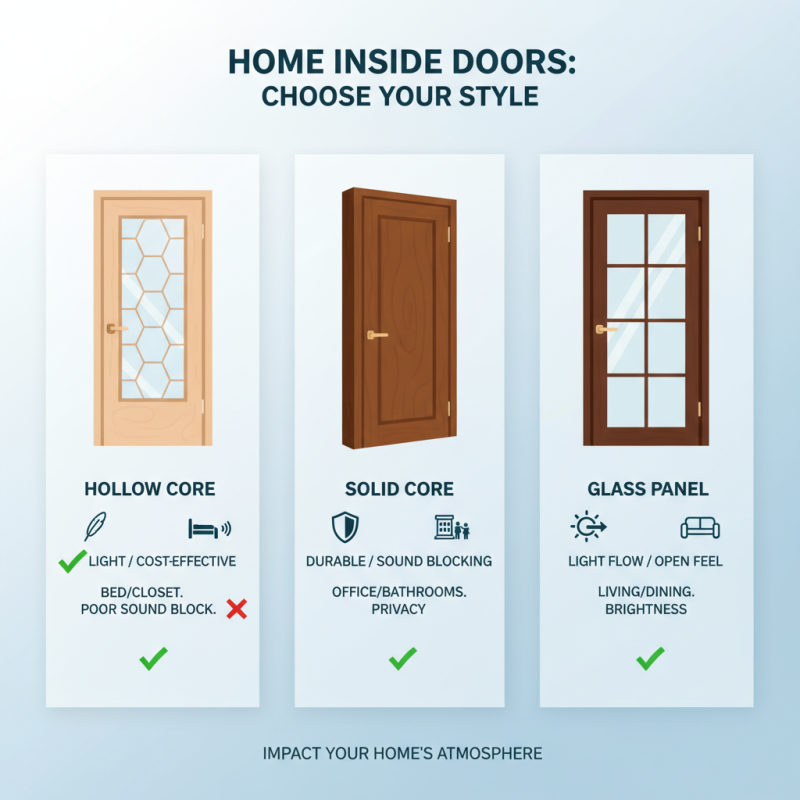
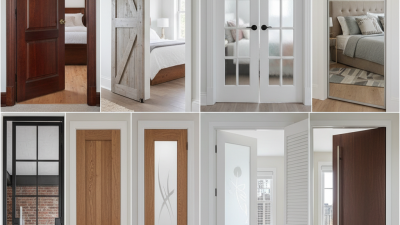
Choosing the right inside doors can greatly impact your home’s atmosphere. There are various types of doors available, each serving different purposes. For example, a hollow core door is light and cost-effective. This option works well for bedrooms or closets. However, it lacks sound insulation, which could be a concern in busy households.
Solid wood doors offer more durability and aesthetic appeal. They add a classic touch to any room. These doors also provide excellent sound insulation, perfect for home offices or nurseries. On the downside, solid wood can be heavy and pricey. It might require a stronger frame, which could complicate installation.
Bi-fold doors are a trendy choice, particularly for closets or smaller spaces. They save space when opened but might not provide the same level of privacy. Also, maintenance could become a hassle over time. Consider the material and style that align with your home’s design. Reflect on how each door type meets your specific needs.
Evaluating Material Choices: Wood, Composite, and Metal Doors Explained
Choosing the right interior doors can transform your home. One of the biggest decisions involves the material you select. Each option has unique characteristics, affecting aesthetics and durability.
Wood doors are classic. They offer warmth and elegance. However, they require maintenance to prevent warping and splitting. Consider the climate in your area before deciding. Composite doors are an efficient choice. They are durable and resistant to moisture. This makes them an excellent option for humid environments. Metal doors are modern and secure. They provide a sleek look. While they are strong, they can dent easily. Think about the overall style of your home when choosing.
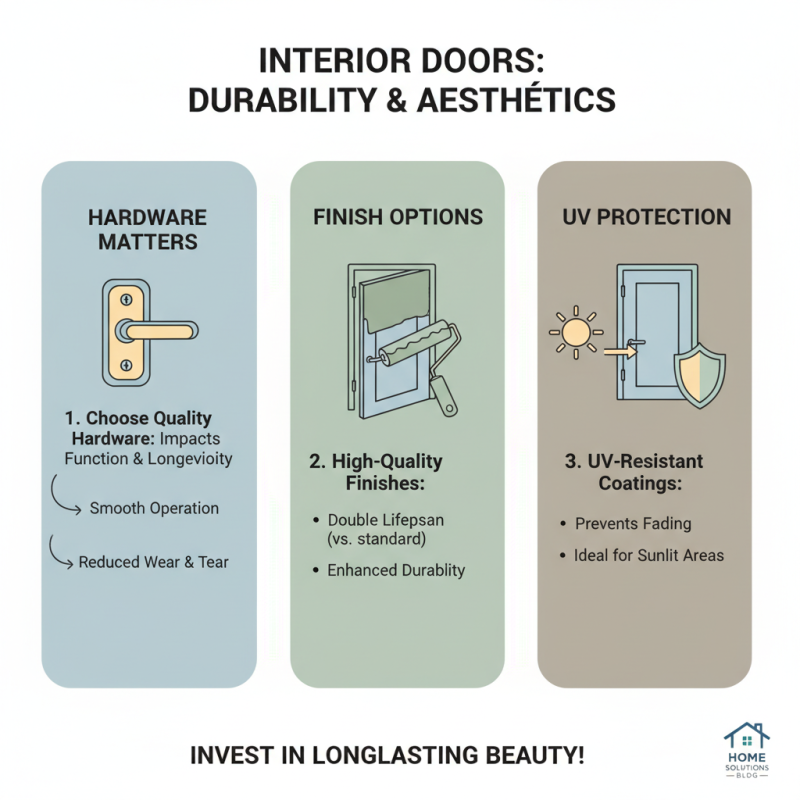
Tip 1: Always assess the room's function before selecting a door. Different spaces need different levels of privacy and soundproofing. Tip 2: Don't overlook the importance of hardware. Handles and hinges can dramatically change a door's look. Tip 3: Be aware of your budget. Quality doors can be expensive, but they are an investment in your home’s value.
Assessing Door Insulation and Soundproofing Features for Better Comfort
When choosing inside doors, insulation and soundproofing are often overlooked. Many people focus on aesthetics, forgetting practical features. A well-insulated door can significantly improve energy efficiency. It helps maintain indoor temperatures, saving on heating and cooling costs. Consider the door material. Solid core doors typically offer better insulation than hollow ones. The thickness of the door also plays a crucial role. Thicker doors usually block sound more effectively.
Soundproofing is essential for comfort. If you live in a noisy area, it's even more important. A well-sealed door minimizes outside noise. Look for doors with weather stripping or acoustic seals. These details can make a noticeable difference in sound transmission. Installing a door sweep can also help keep unwanted sounds at bay. You might wonder if spending extra on these features is worth it.
Sometimes, homeowners feel overwhelmed with choices. Balancing style and functionality can be challenging. It's easy to focus solely on how a door looks rather than how it performs. Maybe take time to consider your lifestyle. Do you need peace? Do you want better temperature control? Reflecting on these questions helps refine choices. Ensuring comfort in your living space should be a priority.
Measuring Door Sizes: Ensuring Proper Fit and Functionality in Your Space
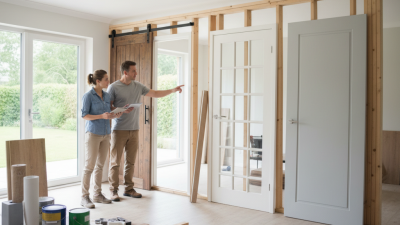
Choosing the right inside doors for your home is crucial. One of the key steps is measuring door sizes accurately. A door that doesn't fit well can disrupt the flow of a room. It can be frustrating when a new door is too large or small. This can lead to costly adjustments or even complete replacements.
Start by measuring the width and height of your existing door frames. Use a tape measure for accuracy. Be sure to check multiple points to account for any irregularities in the structure. It’s essential to take your time here. Rushing the process can result in errors.
Once you have the measurements, consider the swing direction of the door. Determine if it should open in or out, left or right.
Don’t forget the door thickness. This is often overlooked but is vital for a proper fit. If the thickness is off, the door may not close smoothly. Also, pay attention to the floor height and any obstacles nearby.
A beautiful door won’t serve its purpose if it scrapes the floor. Measuring can be tedious, but it’s worth the effort for functionality and satisfaction.

 Questions? Give Us A Call!