10 Essential Tips for Choosing Interior Doors for Your Home Design?
Choosing the right interior doors is a vital aspect of home design. These doors do more than just separate spaces; they contribute to the overall aesthetic. A well-chosen interior door can enhance the style of a room, while a poorly selected one can detract from it.
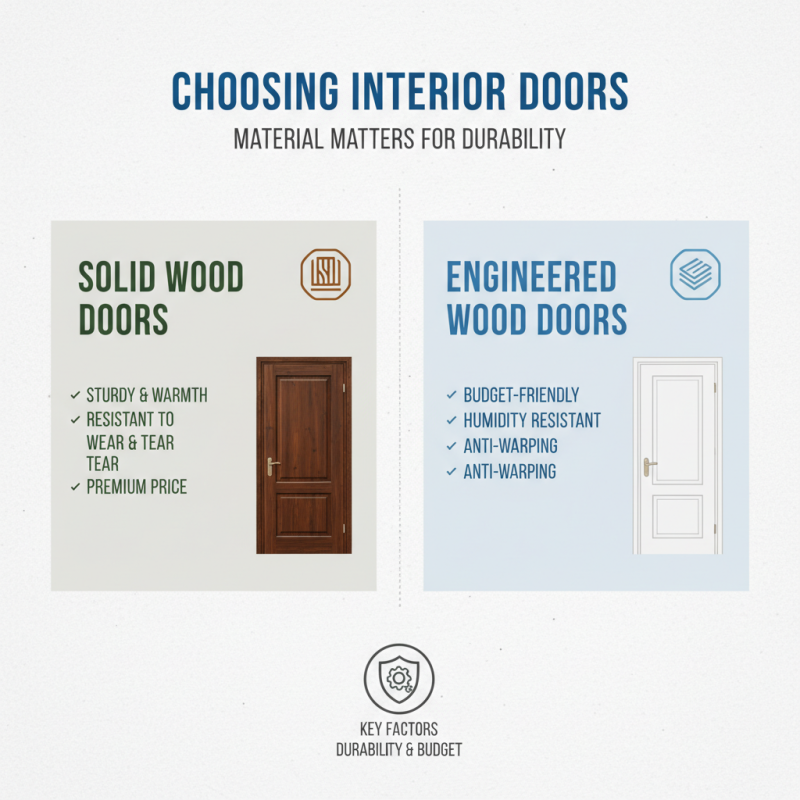
When selecting interior doors, consider the materials, styles, and colors. Solid wood doors offer warmth and durability, while glass doors can create an illusion of space. Reflecting on your personal style is crucial. Trends come and go, but your preferences should guide the decision.
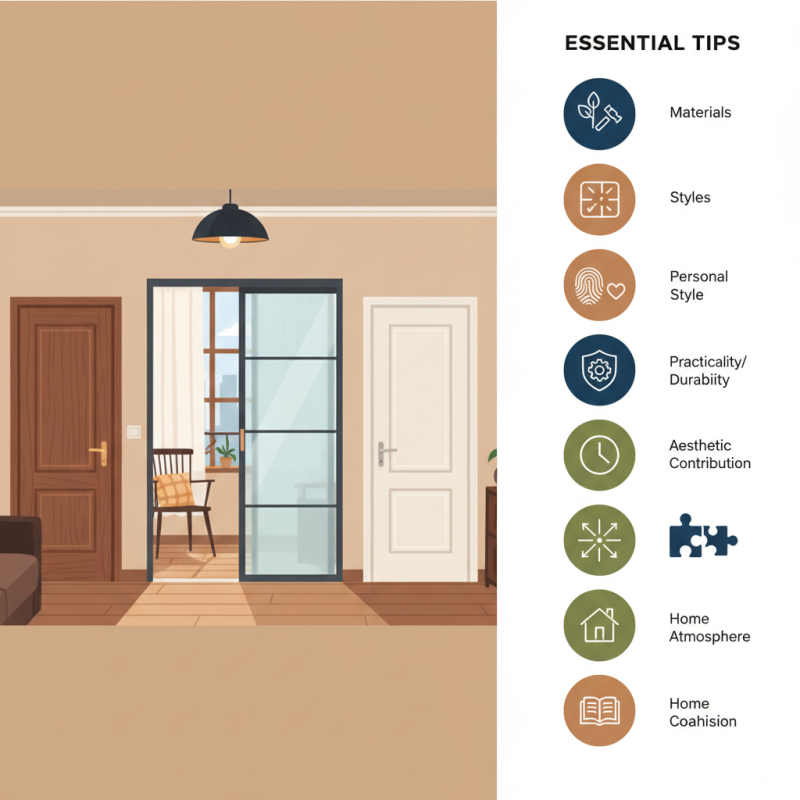
Also, think about practicality. An elegant door might look great but may not withstand daily wear. Consider how often the door will be used. This reflection can lead to better choices. Ultimately, the right interior doors can transform your home's atmosphere, making it feel cohesive and inviting.
Understanding Different Types of Interior Doors and Their Uses
When choosing interior doors, understanding their types is crucial. Different doors serve different purposes. Hollow core doors are common for interior spaces. They are lightweight and cost-effective. Solid core doors offer better sound insulation and durability. Homeowners often overlook soundproofing, which can be a disadvantage in shared spaces.
Sliding doors are popular in contemporary homes. They save space, making them ideal for small rooms. Bi-fold doors also maximize space while providing a stylish entrance. However, they may require more maintenance. In fact, 35% of homeowners regret not considering functionality when selecting doors, according to industry surveys.
French doors add elegance. They allow natural light to filter in. However, they may not be the best choice for privacy. According to market research, 60% of people prioritize aesthetics over practicality, which can lead to dissatisfaction. Understanding each door type helps make informed decisions for any home design. It’s important to reflect on how these choices affect both function and style.
How Door Style and Design Impact the Overall Aesthetic of Your Home
When selecting interior doors, style and design are crucial. They greatly influence your home's overall aesthetic. A door is more than just an entryway; it sets the tone for each room. For example, a sleek, modern door can create a minimalist vibe, while a rustic wooden design can add warmth and character. Consider the material, color, and finish when making your choice.
The impact of door styles extends beyond looks. They can affect light flow and how spaces feel. Glass doors, for instance, can brighten a room, offering a sense of openness. In contrast, solid wood doors provide privacy and a sense of coziness. Think about how these elements will integrate with your existing decor.
Choosing the right door isn’t easy. Each choice comes with trade-offs. A bold design may stand out but could conflict with subdued interiors. Take time to visualize the door in your space before making a final decision. Reflect on your home's overall design. The right door complements your style while enhancing functionality.
Assessing Door Dimensions: Importance of Accurate Measurements in Design
Choosing the right interior doors for your home is vital. One significant aspect is accurate measurements. A report by the American Architectural Manufacturers Association highlights that nearly 40% of remodeling projects encounter issues due to improper measurements. This can lead to costly changes and delays.
Door dimensions impact both functionality and aesthetics. Standard interior doors are typically 80 inches tall. Variations exist, however, depending on the style and space. For instance, pocket doors require precise measurements to avoid operational issues. A miscalculation of just an inch can obstruct the door's movement. Homeowners must take careful measurements of both height and width to ensure a perfect fit.
Many people overlook the depth of the door frame. It influences not just installation but also the door's overall appearance. A survey from the National Association of Home Builders indicates that 75% of homeowners regret not factoring in frame depth in their decisions. Small details, like the thickness of drywall, can create unexpected challenges during installation. Thus, homeowners should assess these dimensions before making any decisions, as it can save time and frustration.
10 Essential Tips for Choosing Interior Doors for Your Home Design - Assessing Door Dimensions: Importance of Accurate Measurements in Design
| Tip |
Description |
Importance of Measurement |
Recommended Tools |
| 1. Measure Twice |
Always take measurements at least twice to ensure accuracy. |
Reduces risk of purchasing incorrect sizes. |
Tape measure, pencil, notepad |
| 2. Know the Standard Sizes |
Familiarize yourself with standard door sizes for easy selection. |
Helps to avoid custom orders when not necessary. |
Size chart reference |
| 3. Check for Clearances |
Ensure there is enough space for door swing and hardware. |
Prevents obstruction and functionality issues. |
Level, angle finder |
| 4. Consider Door Thickness |
Different areas may require different thicknesses for doors. |
Impact on insulation and soundproofing. |
Caliper |
| 5. Assess the Frame |
Verify that the door frame is square and in good condition. |
Ensures proper installation and functionality. |
Square, level |
| 6. Door Swing Direction |
Determine whether the door should swing in or out. |
Affects space and flow of movement. |
Visual sequence check |
| 7. Assess Aesthetics |
Choose doors that complement the style of your home. |
Ensures cohesive design throughout the space. |
Design mood board |
| 8. Consider Material |
Select the appropriate material based on the use of the door. |
Influences durability and maintenance. |
Material samples |
| 9. Evaluate Security Features |
Look for doors with good security ratings for exterior use. |
Ensures safety for your home. |
Security rating chart |
| 10. Installation Considerations |
Factor in whether you will DIY or hire a professional. |
Affects both cost and time. |
Installation guide |
Energy Efficiency and Insulation: Choosing Doors that Reduce Utility Costs
When selecting interior doors, energy efficiency is key. Insulated doors can help maintain a consistent temperature in your home. This reduces reliance on heating and cooling systems. Consider materials that are known for their insulating properties. Wood and composite options often provide better insulation than hollow core doors.
Pay attention to door seals also. Well-fitted doors with quality weather stripping can minimize drafts. Even small gaps can lead to significant energy loss. If the door does not seal properly, it may need adjusting or replacing. This can be an ongoing frustration but is essential for energy savings.
Another aspect to think about is the door’s design and style. While aesthetics are important, they shouldn’t overshadow functionality. A beautiful door that compromises energy efficiency may not be a wise choice. Reflect on the long-term costs versus the initial appeal. Prioritize doors that complement your style while enhancing home energy performance.
Energy Efficiency Comparison of Different Interior Door Materials



 Questions? Give Us A Call!