Ultimate Guide to Exterior Door Installation Tips and Best Practices
When it comes to enhancing the aesthetic and security of your home, exterior door installation is a vital undertaking. Not only does a well-installed exterior door serve as a barrier against the elements and intruders, but it also contributes significantly to the overall curb appeal of your property. According to John Smith, a renowned expert in the field of home improvement, "A properly installed exterior door can transform the look of your home while providing the necessary durability and protection." With proper planning and execution, the installation process can be streamlined and effective, ensuring that your investment pays off for years to come.
In this ultimate guide, we will cover essential tips and best practices for exterior door installation, drawing on industry insights and expert recommendations. From choosing the right materials to understanding the installation steps, each aspect plays a crucial role in achieving a successful outcome. Whether you are a seasoned DIY enthusiast or a first-time homeowner, this guide aims to equip you with the knowledge required to confidently tackle exterior door installation, ultimately creating a welcoming and secure entryway for your home.
Essential Tools and Materials Needed for Exterior Door Installation
When preparing for an exterior door installation, having the right tools and materials is crucial for a successful project. Start with the basic tools that you will need for the installation process. These typically include a tape measure for precise measurements, a level to ensure the door is straight, a drill for securing screws, and a chisel for adjusting the door frame or locks. Additionally, a hammer and a screw gun will aid in fastening components together, while safety goggles should be utilized to protect your eyes throughout the process.
In terms of materials, consider the door itself, which is often available in various materials such as wood, fiberglass, or steel, each having its own benefits. You'll also need a sturdy frame, weatherproofing strips, and hinges that fit the selected door. Don't forget about necessary hardware like doorknobs, deadbolts, and screws which are essential for the security and functionality of the door. If your installation requires it, caulk and insulation materials will help with sealing around the door to improve energy efficiency. Having these tools and materials ready will streamline the installation process and ensure you achieve a properly fitted and secure exterior door.
Exterior Door Installation Tips: Tools and Materials Used
This chart represents the common tools and materials used in exterior door installation, along with their relative importance based on user reports.
Preparing the Door Frame: Measurement and Adjustment Techniques
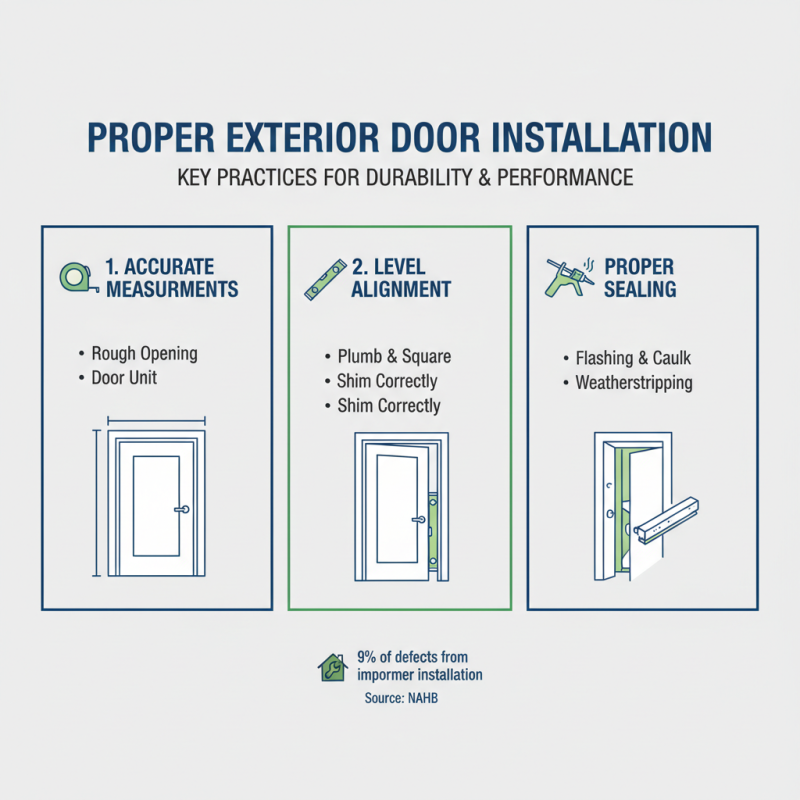
Preparing the door frame for installation is a crucial step that can significantly impact both the aesthetics and functionality of your new exterior door. Accurate measurement is the foundation of a successful installation, with industry reports indicating that nearly 30% of door-related issues arise from improper measurements. To begin, ensure that you measure the height and width of the rough opening, taking multiple readings at different points to account for any irregularities. This helps in achieving a snug fit for the door, which is essential for energy efficiency and security.
Once measurements are complete, adjusting the frame to maintain plumb and square is vital. According to the National Association of Home Builders, a door that is not properly aligned can lead to increased wear and tear, along with costly energy bills due to drafts. Use a level and framing square during the installation process to double-check that the frame remains straight. If adjustments are necessary, shim the frame as needed, ensuring that all gaps are filled correctly to provide a strong, stable base for the door. These preparation techniques set the stage for a seamless installation, ultimately contributing to the longevity and performance of your exterior door.
Step-by-Step Guide to Removing the Old Exterior Door
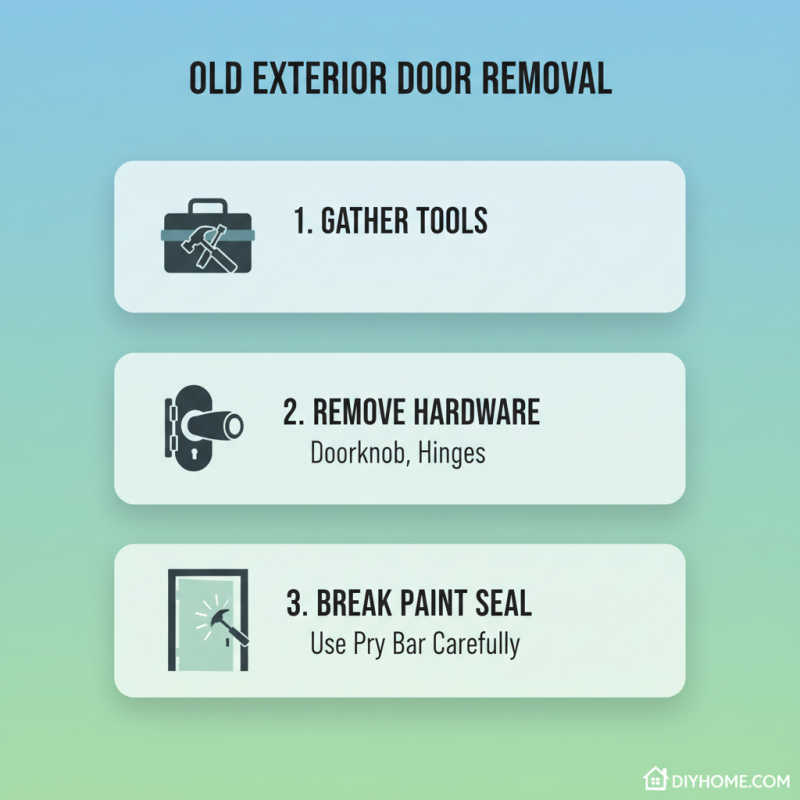
Removing an old exterior door is a crucial step in the installation of a new one. To start, ensure you gather the right tools, including a pry bar, screwdriver, and hammer. Begin by removing the door hardware; take off the doorknob and hinges to make the process smoother. If the door is painted, use the pry bar carefully to break the paint seal between the door and the frame, ensuring you don't damage the surrounding area.
Tip: Consider having an extra pair of hands to assist. Doors can be heavy and unwieldy, making it easier to remove safely with help. Once the hardware is off, grip the door firmly and pull it toward you, tilting it slightly to disengage it from the frame. If the door doesn't budge, check for any remaining screws or secured edges that may be holding it in place.
After successfully removing the door, inspect the frame for any damage or rot that might need addressing before installing your new door. Cleaning up debris and making precise measurements for your new door will ensure a smooth transition and a better fit.
Tip: Always wear safety goggles and gloves to protect yourself during the removal process. Being cautious helps prevent injuries while handling heavy materials.
Proper Techniques for Installing the New Exterior Door
When installing a new exterior door, using proper techniques is crucial for ensuring durability and performance. According to the National Association of Home Builders, nearly 9% of all home construction defects are related to improper door installation. To avoid common pitfalls, it's essential to follow best practices that include accurate measurements, level alignment, and proper sealing.
One of the key tips for successful installation is ensuring that the door frame is square. Use a carpenter’s square to verify that all corners are at right angles. This small adjustment can prevent future complications such as door misalignment and weatherproofing issues. Additionally, always verify the door's swing direction before installation. This can save time and avoid the hassle of redoing work later.
Another important aspect is selecting the right materials for weatherproofing and insulation. According to the U.S. Department of Energy, up to 25% of a home’s heating and cooling energy escapes through inadequately sealed doors. Proper caulking and weatherstripping can significantly enhance energy efficiency. It's advisable to use high-quality foam gaskets around the door frame, as they create a tighter seal and contribute to long-term energy savings. Implementing these techniques will not only improve your door's functionality but also enhance overall home comfort.
Finishing Touches: Sealing and Weatherproofing Your Exterior Door
When it comes to installing exterior doors, proper sealing and weatherproofing are critical steps that significantly enhance energy efficiency and protection against the elements. According to the U.S. Department of Energy, air leaks from improperly installed doors can account for up to 30% of a home's heating and cooling costs. Therefore, ensuring that your exterior door is sealed correctly not only provides comfort but saves money on energy bills.
To achieve effective sealing, choose high-quality weather stripping that can withstand the climate in your region. For instance, foam tape or V-seal weather stripping can provide excellent insulation around the door frame. During installation, make sure to apply a caulk seal along the perimeter of the door frame, focusing on any gaps or spaces. This helps prevent drafts and moisture intrusion, maintaining the longevity of both your door and your home.
Tips: Always check for a tight fit by closing the door and observing any light that seeps through. If you notice light, consider adjusting the door hinge or adding additional weather stripping. Additionally, don’t overlook the importance of an exterior threshold; it acts as the first line of defense against water infiltration. Regular inspection and maintenance of weather seals every few months ensure your door remains effectively insulated against changing weather conditions.





 Questions? Give Us A Call!