What is Exterior Door Trim and Why is it Important?
Exterior door trim is often overlooked in home design. However, it plays a crucial role in both aesthetics and functionality. According to a report by the National Association of Home Builders, homes with well-defined exterior trim can see property values rise by up to 15%. This statistic highlights the trim's importance as a visual focal point.
Expert John Smith, a renowned architect in the field, emphasizes this aspect. He states, “Exterior door trim can transform a simple entryway into a stunning first impression.” Homeowners need to consider the materials and designs used for their exterior door trim. High-quality options create a better weathertight seal and improve energy efficiency.
Neglecting exterior door trim can lead to costly repairs and diminished curb appeal. Many homes suffer from inadequate trim design, leading to issues like water damage and mold. Choosing the right style can prevent these problems and provide aesthetic value. Different regions may require unique considerations for exterior door trim design. Evaluating these factors is essential for enhancing both beauty and durability.
What is Exterior Door Trim? A Comprehensive Overview
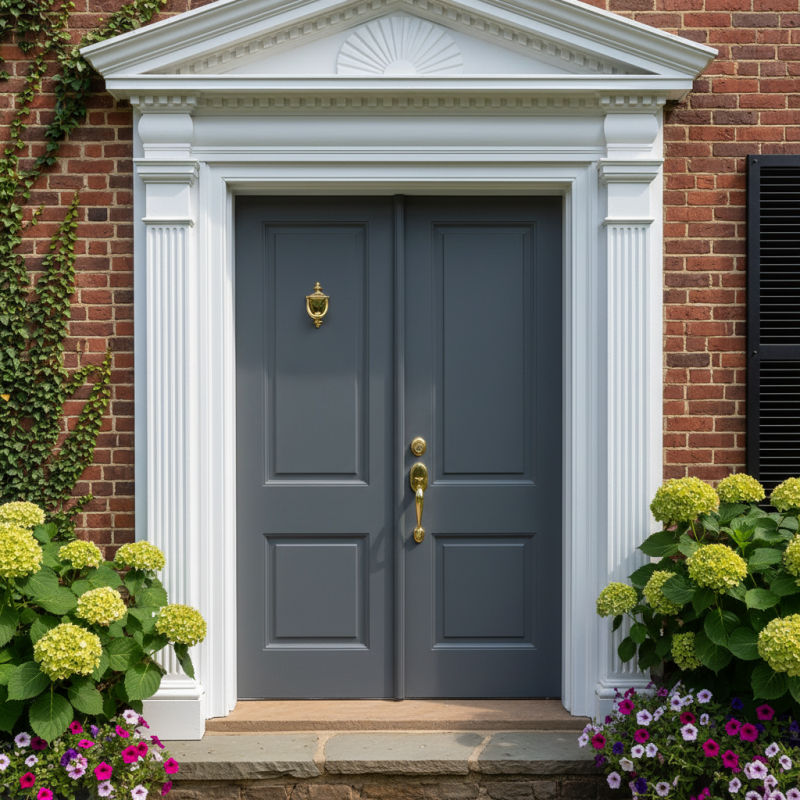
Exterior door trim plays a crucial role in the aesthetic and functional aspects of a home's entryway. This trim refers to the decorative and protective elements around exterior doors, enhancing their visual appeal and helping to seal gaps against the weather. According to the Remodeling 2022 Cost vs. Value report, replacing or upgrading door trim can yield a high return on investment, surpassing 75% in some markets. Households often overlook this detail, yet it significantly impacts the home’s curb appeal.
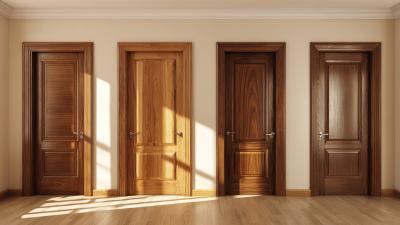
The materials used for exterior door trim vary widely, from wood to synthetic options. Each has its pros and cons. Wood offers a classic look but may require more maintenance. Synthetic materials, while low-maintenance, may lack the natural warmth wood provides. Homeowners should weigh these factors before making repairs or upgrades.
Tips: Choose a trim style that complements your home’s architecture. Before committing, visualize how different materials will look together. Evaluate the door trim's condition regularly. Cracks or gaps in trim can invite moisture, leading to more significant issues down the line. Don't ignore this critical detail; it could be the difference between a well-maintained look and an outdated entryway.
Key Materials Used in Exterior Door Trim and Their Benefits
Exterior door trim plays a crucial role in the aesthetics and functionality of your home. It serves both decorative and protective purposes. A well-chosen trim enhances your door’s appearance, making it more inviting. However, the choice of materials for exterior door trim affects durability, maintenance, and appearance.
Common materials for exterior door trim include wood, PVC, and fiber cement. Wood offers a classic look but requires regular maintenance. It can warp or rot over time. PVC, on the other hand, is resistant to moisture and pests. It requires minimal upkeep and comes in various styles. Fiber cement is incredibly durable and can mimic wood’s appearance without the drawbacks. Each material has its pros and cons.
Considering climate and maintenance is essential when choosing trim materials. A beautiful trim can elevate your home’s charm but may not stand the test of time if the right material isn’t selected. This choice can lead to regret down the line. Taking time to evaluate options will ensure your door trim enhances your home’s curb appeal effectively.
The Role of Exterior Door Trim in Enhancing Energy Efficiency
Exterior door trim plays a crucial role in energy efficiency. It acts as a barrier to prevent drafts and air leaks. When properly installed, it keeps the indoor temperature stable. This means less reliance on heating and cooling systems, ultimately saving energy.
Tip: Choose high-quality materials for your door trim. They should withstand weather changes. Poor materials may lead to deterioration. This can create gaps over time, allowing air to escape.
Another point to consider is maintenance. Regularly check your door trim for signs of wear. Look for cracks or peeling paint. Repairing these issues promptly can enhance energy efficiency. Ignoring them may result in higher energy bills.
Tip: Use weatherstripping around your doors. It's an easy way to boost insulation. This simple improvement can reduce air leakage significantly.
What is Exterior Door Trim and Why is it Important?
| Dimension |
Description |
Impact on Energy Efficiency |
| Material |
Common materials include wood, vinyl, and fiberglass. |
Different materials have varying insulation properties affecting heat transfer. |
| Style |
Includes traditional, modern, and decorative styles. |
A well-styled trim can seal gaps, reducing drafts and improving efficiency. |
| Installation |
Trim should be properly installed to ensure a snug fit. |
Proper installation prevents air leaks, which enhances energy saving. |
| Maintenance |
Regular checks for damage, paint, and sealant wear. |
Maintaining door trim protects against air leaks and energy loss. |
| Weather Stripping |
Used to seal gaps between the door and trim. |
Effective weather stripping significantly reduces energy costs. |
Aesthetic Impact of Exterior Door Trim on Home Value and Curb Appeal
Exterior door trim plays a crucial role in enhancing a home's curb appeal. This often-overlooked detail frames the entrance, creating an inviting first impression. Different styles of trim can either complement or clash with the overall architecture. For instance, a sleek, modern trim can elevate a contemporary home, while ornate designs may suit more traditional houses. It’s fascinating how a simple trim change can make a door stand out or blend in.
Improper trim installation can detract from a home's aesthetic. Flaws such as uneven cuts or mismatched colors can be noticeable. This could reduce a property's perceived value in the eyes of potential buyers. Many homeowners underestimate the importance of detail in their entryways. Investing time into choosing the right trim style and color can pay dividends by improving the home’s value. A well-executed trim not only enhances beauty but can significantly elevate overall property appeal.
Maintenance Best Practices for Longevity of Exterior Door Trim
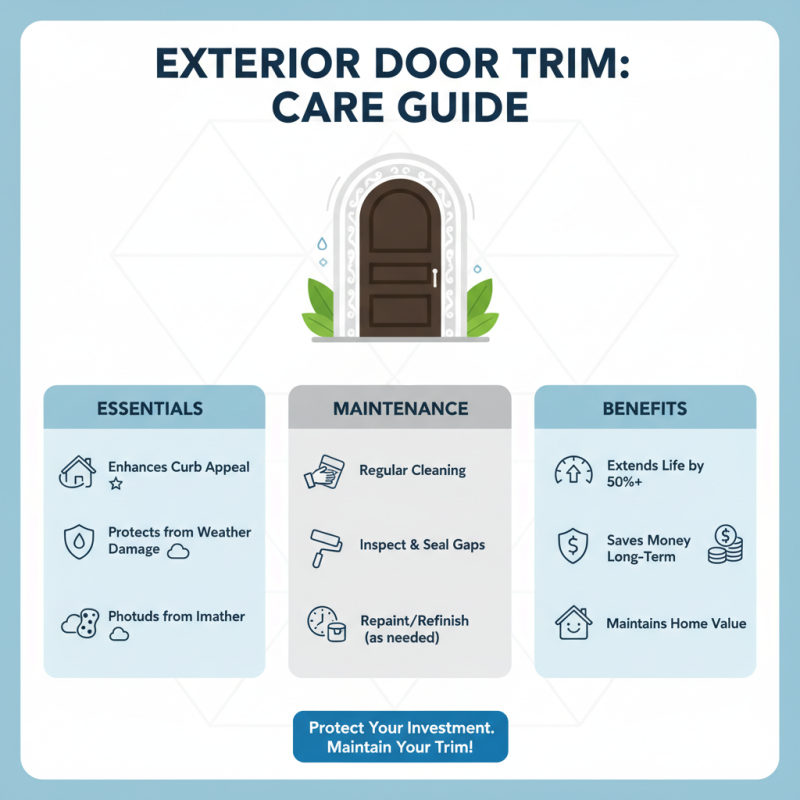
Exterior door trim is an essential element of home design. It enhances curb appeal and protects doors from weather damage. However, maintaining it can be challenging. Research indicates that proper care extends the life of exterior trims by up to 50%. Regular maintenance practices are crucial.
Start by inspecting the trim for signs of wear. Look for cracks, peeling paint, or rotting wood. Repair damaged areas promptly. Use sealants and paints that resist moisture and UV rays. This can prevent more extensive damage. Reports show that homeowners neglect trim maintenance, leading to costly replacements. Simple actions can lead to better longevity.
Cleaning is another vital practice. Dirt and grime can accumulate, causing deterioration. A bi-annual cleaning schedule can help keep trim in good condition. Use gentle cleansers and avoid harsh chemicals that may damage the surface. Remember, neglecting maintenance could mean facing larger repair bills in the future. Taking preventive steps now can save time and money later.



 Questions? Give Us A Call!