How to Choose the Best AG Cover Lens for Your Product?
Choosing the right AG cover lens begins with the user’s environment, not a product catalogue. A showroom screen may look perfect, yet fail under sunlight, fingerprints, or overhead LEDs. An AG cover lens must control reflections while preserving image clarity, touch response, and surface durability. These requirements often compete.
Dr. John C. Fan, a veteran optical engineer, offers a practical design principle: “Performance must be judged in the real environment, not only on paper.” That insight matters during material selection. A lens with strong haze reduction may soften small text. A harder coating may increase reflected glare. A smooth surface may clean easily but reveal fingerprints quickly. The best choice depends on measurable targets, including gloss level, haze, transmittance, pencil hardness, chemical resistance, and viewing angle.
Testing should resemble actual use. Place prototype panels near a window, under cool-white lighting, and beside a black display image. Wipe them repeatedly with a dry cloth. Check whether icons remain sharp at different angles. Measure touch accuracy after moisture and dust exposure. Small details matter.
There is no universal winner. That is the uncomfortable part. A premium AG cover lens can still be unsuitable for a medical monitor, vehicle display, kiosk, or outdoor terminal. Cost, thickness, bonding method, and production yield also influence the final decision. A reliable specification therefore connects optical data with field conditions. It leaves room for revision. Real products rarely match laboratory assumptions perfectly.
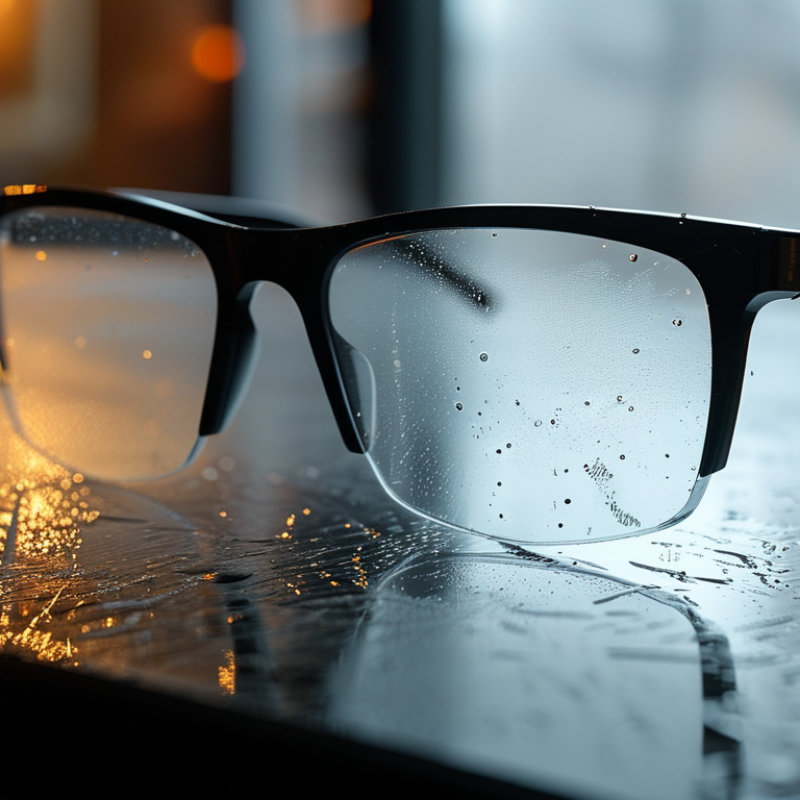
Product Requirements That Define the Right AG Cover Lens
How to Choose the Best AG Cover Lens for Your Product?
Product Requirements That Define the Right AG Cover Lens
The right anti-glare cover lens starts with the product, not the coating. Define the display size, viewing distance, brightness, and touch method. A handheld device needs different surface performance than a dashboard display. Check the expected lighting conditions, including sunlight, office lamps, and sharp overhead reflections.
Surface gloss and haze must match the user’s priorities. Lower gloss can improve readability near windows. Excessive haze, however, may soften text and reduce perceived contrast. Specify a measurable haze range instead of relying on appearance alone. Surface hardness also matters when users swipe with dry fingers, gloves, or a stylus. Small details matter.
Mechanical requirements are equally important. Confirm lens thickness, corner radius, flatness, cutouts, and bonding tolerance. A lens may pass optical testing but fail during assembly. Uneven adhesive thickness can create bright edges or visible rings. Temperature cycling, humidity, cleaning chemicals, and repeated touch tests should be included before approval. Not always.
During evaluation, compare samples under real lighting, not only under laboratory lamps. Ask whether the surface remains comfortable after ten minutes of use. An aggressive matte texture may hide reflections but feel rough to the finger. That trade-off is easy to overlook. Prototype feedback should be recorded from engineers, operators, and everyday users. The best AG cover lens is the one that satisfies optical, mechanical, and human requirements together. Performance on paper is not enough.
AG Surface Types and Their Optical Performance Differences
Choosing an AG cover lens requires more than selecting the strongest glare reduction. Surface structure changes haze, clarity, gloss, and touch visibility. Chemically etched glass often delivers controlled haze around 3–8%. Particle-textured surfaces may reach 8–20%, according to ranges reported in optical qualification studies using ASTM D1003. Higher haze reduces reflections, but it can also soften icons, charts, and small text.
Coated AG surfaces usually preserve better transparency and smoother images. However, coating durability depends on hardness, cleaning cycles, and finger contact. ASTM D2457 gloss testing commonly shows AG finishes between 20 and 60 gloss units at 60 degrees. Lower gloss can improve readability under ceiling lights. It may also create a slightly cloudy appearance in dark images. That trade-off is easy to underestimate.
For bright outdoor displays, compare haze with total transmittance under ISO 13468-1. Many published display test reports place practical transmission loss near 2–5%, but results vary with substrate and coating thickness. In my experience, a 5% haze lens can look clearer than a 3% lens under direct sunlight. The lighting angle matters. So does the viewer’s distance.
Ask suppliers for haze, clarity, gloss, reflectance, and transmission data from the same test method. Otherwise, the numbers may look precise but remain difficult to compare. A single haze value can mislead.
How to Choose the Best AG Cover Lens for Your Product?
AG surface texture affects the balance between glare reduction and optical clarity. Fine-matte surfaces generally preserve higher gloss and transmittance, while coarse-matte surfaces provide stronger haze and reflection diffusion.
Selection guidance: Fine matte AG is suitable when image clarity and brightness are priorities. Medium matte AG offers a balanced compromise for general displays. Coarse matte AG provides stronger glare diffusion for high-reflection environments, but may reduce perceived sharpness and brightness. Values are representative engineering ranges; final performance should be confirmed through optical testing of the selected cover-lens stack.
Testing and Selection Steps for a Reliable AG Cover Lens
Choosing an AG cover lens starts with testing, not appearance. IDC reported 6.2% growth in global smartphone shipments during 2024. That scale increases pressure for stable optical performance.
Test each sample under office LEDs, sunlight, and a dark display background. Measure haze, gloss, transmittance, and reflection at several viewing angles. A low haze value is not automatically better. Excessive diffusion can soften small text. ISO 9241-307 offers useful guidance for evaluating visual quality and display readability.
Check surface durability with repeated abrasion, finger-contact simulation, and common cleaning chemicals. Then test touch accuracy through gloves, moisture, and edge gestures. We once approved a lens after clean laboratory testing. It failed when fingerprints spread across the screen. That mistake still matters. Test real conditions earlier.
Tips: Compare at least three surface textures. Record haze and gloss together. Inspect samples after 1,000 abrasion cycles. Ask operators to judge text, icons, and reflections. Keep one untreated reference lens nearby. If the AG effect looks impressive but causes eye strain, reduce its strength. The best selection balances reflection control, clarity, touch response, and long-term wear. Use a written scoring sheet, because visual memory is unreliable.

 Questions? Give Us A Call!