How to Install an Exterior Door in 2026?
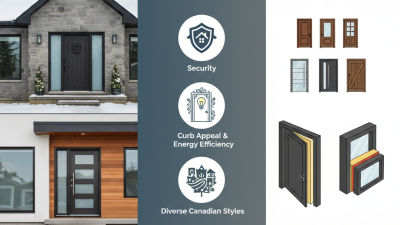
Installing an exterior door in 2026 requires careful planning and execution. The process involves several steps, from selecting the right door to ensuring a proper fit. Exterior door installation can significantly enhance your home’s curb appeal while providing security.
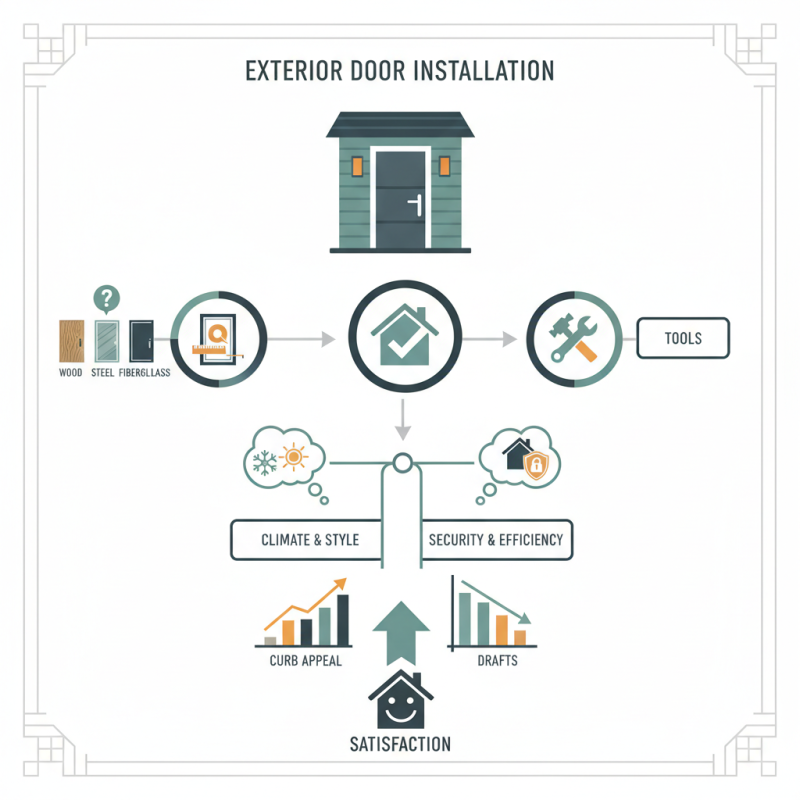
Choosing materials is vital. You can select wood, steel, or fiberglass doors. Each has pros and cons. For example, wood doors offer warmth but may need more maintenance. Steel doors are durable but can rust over time. Think about your climate and style preferences.
Before starting, measure your existing frame. An ill-fitting door can create problems, such as drafts or security issues. Remember, this task might seem straightforward but can lead to challenges. Even experienced DIYers sometimes make mistakes. Take your time, double-check dimensions, and review all steps carefully. This diligence ensures a successful exterior door installation, leading to greater satisfaction with your home.
Choosing the Right Exterior Door for Your Home in 2026
Choosing the right exterior door for your home in 2026 involves a careful balance of
style, security, and energy efficiency. Start by considering the architectural style of your home. A modern house may
benefit from sleek, minimalist designs, while a traditional home might require a classic wooden door with decorative
elements. Keep in mind the door's color too. Bright colors can make a bold statement, while neutral shades offer
timeless elegance.
Tips: Look for doors made from sustainable materials. Composite and fiberglass options are becoming popular. They
combine durability with energy efficiency.
Next, assess your climate. If you live in a place with extreme temperatures, consider insulated doors. They can help
maintain your home’s temperature. Think about the door's locking mechanisms. A sturdy lock enhances security and
gives you peace of mind.
Tips: Don't hesitate to check for any reviews or ratings on door performance. Seek advice from professionals if needed.
Finally, consider installation. A well-fitted door improves aesthetics and functionality. Measure twice, and ensure all
gaps are sealed. Imperfections can lead to drafts. Reflect on what you want—look for what matters most to you in a door.
Keep your personal needs at the forefront.
Essential Tools and Materials for Installing an Exterior Door
When installing an exterior door, having the right tools and materials is critical. According to a report by the National Association of Home Builders, nearly 80% of homeowners prefer DIY projects when it comes to doors. To achieve success, start by gathering essential tools such as a measuring tape, level, and electric drill. A pry bar and hammer will also come in handy for removing the old door.
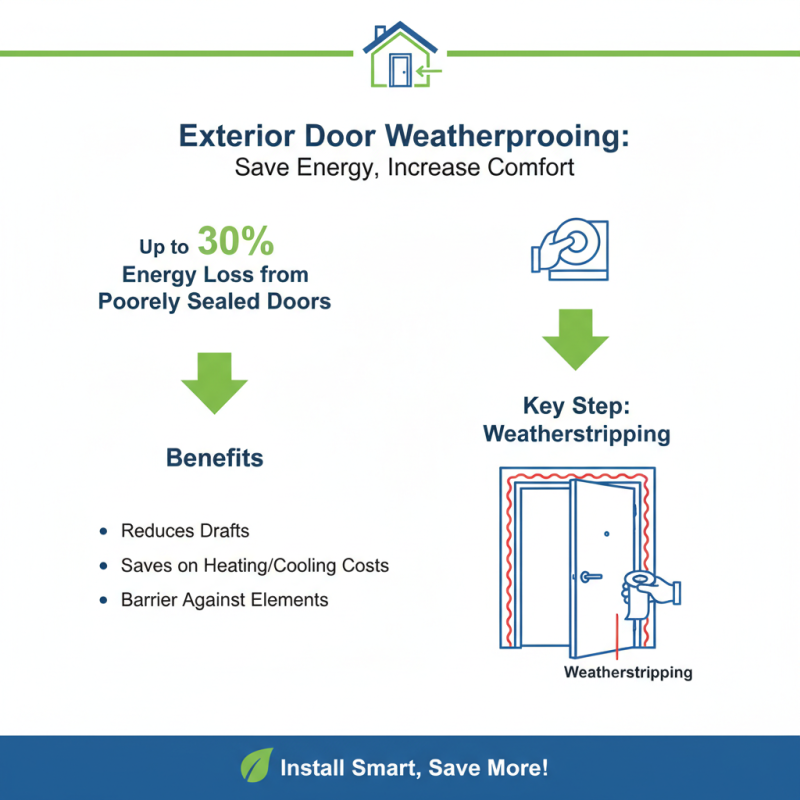
Materials needed include the door itself, hinges, and a door handle. You’ll also require insulation foam and weatherstripping to ensure energy efficiency. Recent studies show that properly installed doors can improve a home's energy efficiency by up to 15%. Don’t neglect professional screws, as they provide durability.
Tips: Measure twice, cut once. This old saying rings true. If your measurements are off, you may need to buy an entirely new door. A friend can help hold the door in place while you install it. Be careful when prying off an old door; it's easy to damage the frame. Remember, not every installation goes smoothly. Take your time and double-check your work.
Essential Tools and Materials for Installing an Exterior Door in 2026
Step-by-Step Guide to Preparing the Door Frame
Installing an exterior door involves multiple steps, especially when preparing the door frame. Begin by measuring the existing frame carefully. Check for any damage or rot that may require repair. Use a level to ensure the frame is straight. An uneven frame can lead to complications later.
Make sure to remove the old door and trim cautiously. This can be a messy process. Keep track of screws and hinges. They may come in handy during the installation of the new door. Clean the area thoroughly to prepare for the new frame. Dust and debris can cause issues with fitting the door properly.
Tips: Use a chisel to adjust any rough spots in the frame. This small detail can make a big difference. If you encounter warped wood, be ready to replace it. Ensure the new frame is square. A crooked frame can lead to gaps and drafts.
After preparing, consider sealing the frame. A good seal can prevent water damage. This step is easy to overlook but critical in long-term maintenance. Check your work frequently. It’s better to address issues early on than to fix them later.
Installing the New Exterior Door: A Detailed Process
Installing a new exterior door in 2026 can transform your home’s entrance. Start by carefully measuring your existing door frame. This ensures the new door fits perfectly. If your frame is damaged or uneven, it will complicate the installation.
Next, prepare your workspace. Remove the old door and hardware with caution. This step often reveals hidden problems, like rot. Inspect the frame thoroughly. Any damage should be repaired before proceeding. Choose suitable insulation materials, as energy efficiency is essential.
When hanging the new door, pay close attention to alignment. It’s easy to make mistakes here, leading to gaps. Ensure the door swings freely without catching. Adjust hinges if needed. Finally, seal around the door to prevent drafts. Remember, taking your time can avoid headaches later on. Each step matters in achieving a secure installation.



 Questions? Give Us A Call!