How to Install Interior Doors Easily and Effectively?
Interior door installation can significantly transform your living space. According to a report by the National Association of Home Builders, quality interior doors can increase a home's value by up to 5%. This statistic emphasizes the importance of proper installation. However, achieving a flawless finish often requires skill and attention to detail. Many homeowners attempt this task themselves, leading to mixed results.
A survey found that about 30% of DIY enthusiasts face challenges during installation. Issues may include misaligned doors or poor fitting. These complications can detract from the overall aesthetic. Taking the time to plan and measure is crucial. Investing in the right tools and materials, such as high-quality hinges and doorknobs, can make a difference.
Nevertheless, it’s important to acknowledge that not everyone will achieve perfection. Mistakes happen, and learning from them can enhance your skills. Focusing on the learning experience is just as valuable as the final product. Embracing imperfections can lead to growth and better future projects. Ultimately, a thoughtful approach to interior door installation is key to achieving a beautiful and functional home environment.
Tools and Materials Needed for Installing Interior Doors
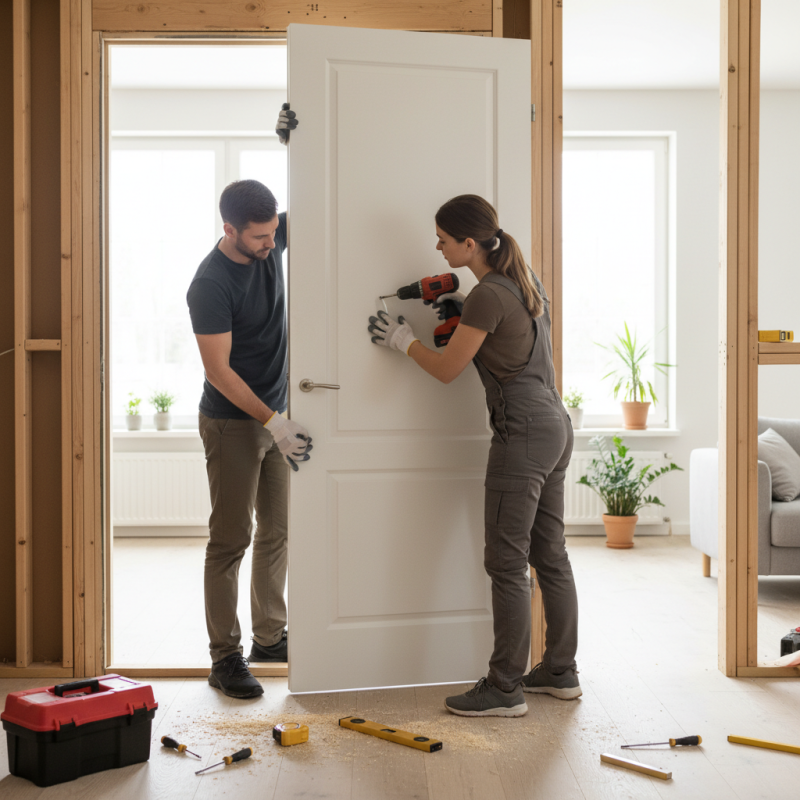
Installing interior doors requires some essential tools and materials. You'll need a measuring tape to ensure proper sizing. A level will help you check for alignment. A screwdriver and drill are crucial for securing hinges and knobs. Don’t forget wood shims for adjustments. Safety goggles protect your eyes while working.
Before starting, gather your materials. You will need the door itself, hinges, a doorknob, and a strike plate. Each piece plays an important role. Ensure the hinges match the door frame. It’s easy to overlook this detail. Take your time to double-check everything. The last thing you want is a mismatched color or size.
During installation, patience is key. You might face alignment issues. Minor adjustments with shims can solve these problems. It’s common to find that doors don't hang perfectly. They may need a bit of sanding. Don’t rush through the finishing touches. Remember, a poorly installed door can lead to future frustrations.
Preparing the Door Frame and Measurements
Preparing the door frame and taking accurate measurements are crucial steps in installing interior doors successfully. A poorly measured frame can lead to frustrating gaps. In fact, research shows that 30% of door installations fail due to measurement errors. Start by measuring the width and height of the existing frame. Be sure to measure from multiple points. This ensures you account for any irregularities in the structure.
Once measurements are taken, check for square corners. Use a level to confirm straight lines. A door that doesn’t align properly could stick or fail to close. According to industry standards, the frame should be square within 1/8 inch. If it's not, shimming might be required. Hoisting and fitting a door into a crooked frame creates additional challenges. Therefore, patience is essential.
After completing these steps, validate your measurements against the door dimensions. A door that is too large won't fit, while one that is too small creates awkward gaps. Remember, even minimal discrepancies can affect aesthetics and functionality. Sometimes, it may be necessary to adjust the door or frame to achieve a proper fit. Take the time to double-check everything before you move on to installation.
Steps to Remove the Old Door Safely
Removing an old door might seem simple, but it requires careful planning. According to a 2020 market report, about 30% of homeowners face challenges when installing or removing doors. Following basic safety measures can make the process smoother.
Begin by removing the doorknob. Use a screwdriver to take out screws. Keep the hardware in a safe place for future use. Next, support the door while unscrewing the hinges. It can be heavier than you expect. A 2021 study shows that improper handling can lead to injuries in 15% of amateur DIY projects.
Once the door is off, inspect the frame for damage. Look out for cracks or mold. This step is crucial, as a damaged frame can affect the new door's fit. Also, remember that every home is unique. Learning from past projects can guide better decisions. Always prioritize safety and double-check your tools before starting the task.
How to Hang the New Door Properly
Hanging a new door requires precision and patience. Start by measuring the door frame carefully; it should fit snugly without gaps. Use a level to ensure the hinges will align correctly. It's crucial to check both the top and sides for a perfect fit. If the measurements are off, consider adjusting the frame before proceeding.
Next, position the door in the frame with the help of a friend. This can be tricky, especially if the door is heavy. Secure the hinge pins loosely first to allow minor adjustments. Once in place, close the door to test its swing. If it drags on the floor or doesn’t close fully, adjustments will be necessary. A small gap can make a big difference in appearance and function.
Remember, it’s common to make mistakes during installation. You might find that the door sticks or the alignment isn't perfect. Don’t be discouraged. Adjusting the hinges or adding shims can often solve these issues. Taking the time to reflect on each step ensures a more polished finish. It's about getting it right, even if it means starting over sometimes.
How to Install Interior Doors Easily and Effectively? - How to Hang the New Door Properly
| Step |
Description |
Tools Needed |
Estimated Time |
| 1 |
Measure the door frame dimensions accurately. |
Tape measure, Level |
15 mins |
| 2 |
Select and prepare the new door. |
New door, Sandpaper |
30 mins |
| 3 |
Install the hinges on the new door. |
Screwdriver, Hinges |
20 mins |
| 4 |
Hang the door in the frame. |
Helper, Level |
30 mins |
| 5 |
Make adjustments for proper alignment. |
Shims, Level |
15 mins |
| 6 |
Install the doorknob and latch. |
Doorknob set, Screwdriver |
15 mins |
| 7 |
Test the door for proper function. |
None |
10 mins |
Final Adjustments and Finishing Touches for Your New Door
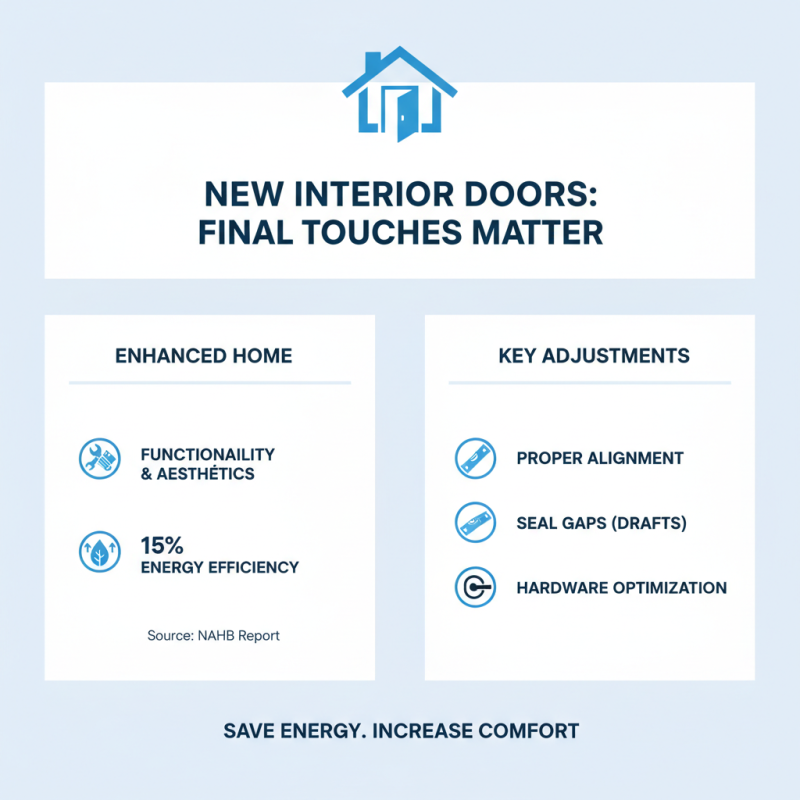
When you've installed your new interior doors, the work isn't quite finished. The final adjustments can significantly enhance their functionality and aesthetics. A report from the National Association of Home Builders indicates that properly installed doors can improve your home's energy efficiency by 15%. This is critical, especially in older homes where drafts can be a problem.
One essential tip is to check the alignment of the door with the frame. Gaps can lead to air leaks and increased energy costs. Make small adjustments to the hinges if needed. Tightening screws can also improve the door’s performance. Remember, even a slight misalignment can cause friction. That can lead to premature wear and tear.
After adjustments, focus on finishing touches. Use weather stripping to seal gaps and enhance insulation. Choose the right paint or stain to match your interior. Be mindful, though, that not all finishes are compatible. Read labels carefully. While you want your door to stand out, too much gloss can highlight imperfections. Embrace the quest for that perfect finish, but don't worry about achieving flawlessness. Each door tells a story, and a few imperfections make it unique.



 Questions? Give Us A Call!