Why Do You Need a Cold Room for Flower Storage?
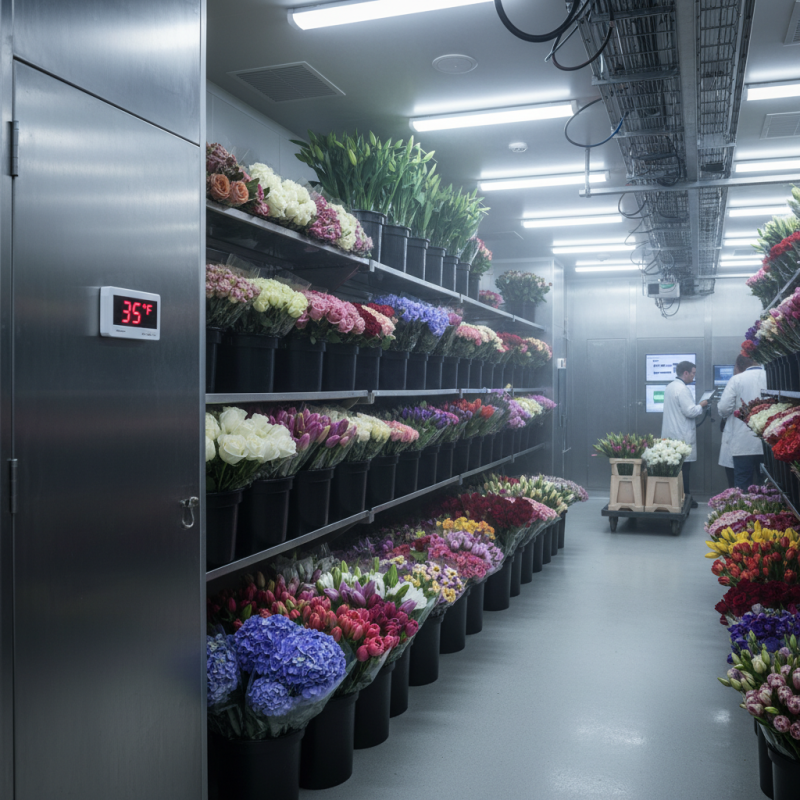
The demand for flower storage solutions has increased significantly over the years. A Cold Room For Flower Storage is an essential facility for maintaining the freshness and quality of blooms. According to industry expert Dr. Linda Green, "Proper temperature control can make all the difference in preserving flowers’ natural beauty."
Flowers are sensitive to temperature. Without a dedicated cold room, they can wilt and lose vibrancy. Flowers thrive in environments between 34°F and 36°F. A well-designed cold room for flower storage minimizes exposure to light and humidity. This control enhances their lifespan and marketability.
However, not all cold rooms are created equal. There can be challenges, such as maintaining consistent temperature or humidity levels. A poorly managed cold room may lead to fungal growth or dehydration. Investing in quality equipment and monitoring systems is crucial. The best outcomes come from continuous evaluation and adjustment. Understanding these aspects is vital for anyone in the floriculture industry.
Importance of Controlled Temperature for Flower Longevity
Maintaining a controlled temperature is crucial for flower longevity. Research indicates that flowers stored at temperatures between 34°F to 38°F (1°C to 3°C) can last significantly longer than those kept at room temperature. A study showed that flowers in optimal cold storage can extend their shelf life by up to 50%. This highlights the importance of a cold room for effective flower storage.
Cold rooms offer a stable environment that slows down metabolic processes in flowers. Flowers generate ethylene gas, which accelerates aging. Reduced temperatures limit ethylene production and prevent premature wilting. The American Society of Horticultural Science notes that many cut flowers thrive best in cooler conditions, with hydrangeas and tulips showing remarkable improvements in longevity when stored properly.
Implementing cold storage does come with challenges. It requires monitoring to ensure temperature consistency. Fluctuations can harm the flowers, causing stress and shortening their lifespan. While a cold room can extend freshness, it demands investment in equipment and energy. The balance between cost and flower preservation is not always easy to maintain, but the results can be rewarding for both sellers and customers.
Why Do You Need a Cold Room for Flower Storage? - Importance of Controlled Temperature for Flower Longevity
| Flower Type | Ideal Storage Temperature (°C) | Optimal Humidity (%) | Average Shelf Life (Days) |
| Roses | 2 - 5 | 70 - 80 | 7 - 12 |
| Tulips | 1 - 3 | 65 - 75 | 5 - 10 |
| Lilies | 2 - 5 | 60 - 70 | 10 - 14 |
| Chrysanthemums | 1 - 4 | 50 - 60 | 10 - 21 |
| Orchids | 13 - 16 | 50 - 60 | 14 - 28 |
Effects of High Humidity on Flower Freshness and Quality
High humidity can profoundly affect the freshness and quality of flowers. When flowers are stored in conditions with elevated humidity levels, the excess moisture may lead to mold and mildew. These conditions can quickly ruin delicate blooms, resulting in significant losses for growers and retailers alike. According to a report by the American Floral Endowment, flowers in high humidity can lose their vibrancy within days, leading to reduced market value.
Furthermore, high humidity not only promotes decay but can also influence a flower's ability to absorb water. Flowers maintain their freshness through a delicate balance of moisture uptake and evaporation. When humidity levels are too high, the normal transpiration process becomes disrupted. This results in poor hydration, making flowers wilting prematurely. Research indicates that flowers can lose up to 35% of their hydration capacity in high humidity environments.
The ideal storage conditions for flowers typically range between 30-50% humidity. Staying within this range helps maintain quality and extends shelf life. However, many growers overlook these details. They often do not invest in proper cold storage facilities. This oversight can lead to flowers being exposed to fluctuating humidity levels. As a consequence, the emotional connection people have with flowers—be it joy or sympathy—diminishes when they are not presented at their best.
Optimal Temperature Ranges for Different Flower Species
Maintaining the ideal temperature for flower storage is crucial for prolonging freshness and beauty. Different flower species thrive at specific temperature ranges. For example, roses prefer temperatures between 34°F and 36°F, while lilies do best in slightly warmer conditions, around 36°F to 40°F. Proper cooling extends the shelf life of these blooms, which is key for suppliers and retailers.
Here’s a tip for optimizing storage: Use cool storage to prevent ethylene production. Ethylene gas is released by some flowers like daisies and can lead to premature wilting. By keeping sensitive flowers separately and at their ideal temperatures, longevity improves substantially.
Not all flowers require the same conditions. For instance, tropical flowers, such as orchids, need 50°F to 55°F. These species can suffer if exposed to lower temperatures. Understanding the unique needs of each type is essential. Keeping a detailed log on temperature and humidity levels can help prevent mishaps. Regular monitoring allows for adjustments, ensuring an optimal environment for all floral varieties.
Impact of Cold Storage on Flower Sales and Profitability
Cold storage plays a crucial role in the floral industry. Flowers often lose their freshness due to temperature fluctuations. According to a report from the Society of American Florists, improper storage can result in a 30% reduction in sales. Maintaining stable, cool temperatures can significantly impact flower quality, extending their shelf life. For instance, flowers stored at 34°F to 38°F can last 50% longer than those kept at room temperature.
Profitability is closely tied to flower longevity. A study by the Floral Market Research Group found that retailers using cold storage saw a 20% increase in sales. Customers prefer fresh, vibrant blooms. When flowers wilt, consumers may seek alternatives. Additionally, reduced spoilage means less waste. However, investing in proper cooling systems can be costly. Smaller retailers might struggle with these expenses.
Every flower sale represents potential profit. Yet, without effective storage solutions, profits can dwindle. Florists need to balance initial costs with long-term benefits. The right cold room not only maintains quality but also enhances customer satisfaction. This relationship between cold storage and profit highlights a vital area for growth in the industry.
Impact of Cold Storage on Flower Sales and Profitability
This chart illustrates the relationship between cold storage days and flower sales revenue in thousands of dollars. It demonstrates how the quality and longevity of flowers stored under cold conditions can drive higher profitability.
Industry Standards for Cold Room Facilities in Floriculture
A cold room is essential for flower storage in the floriculture industry. According to the U.S. Department of Agriculture, flowers stored at ideal temperatures can extend their shelf life by up to 50%. Standard practices recommend maintaining temperatures between 34°F and 38°F (1°C to 3°C) for most floral varieties. Higher temperatures can accelerate deterioration, resulting in financial losses for growers and retailers.
Proper humidity levels are also crucial. Ideally, humidity should hover around 90-95%. This helps prevent dehydration and wilting. A report by the Floral Marketing Association emphasizes the importance of monitoring these conditions regularly. Failure to do so can lead to substantial waste, impacting the sector's sustainability efforts.
**Tips:** Regularly check temperature and humidity controls. Use a reliable thermometer and hygrometer for accuracy. Don't overlook the storage layout; proper airflow is vital. Remember, poorly managed cold storage can hurt your flowers significantly. Always aim for continuous improvement in your storage practices.

 Questions? Give Us A Call!