Ultimate Guide to Sewer Jetting Machine Tips for Efficient Cleaning?
Efficient cleaning of sewer systems is vital for urban infrastructure. The Sewer Jetting Machine plays a crucial role in maintaining these systems. According to the National Association of Sewer Repair Contractors, nearly 80% of sewer blockages are preventable with regular maintenance. This highlights the importance of effective cleaning methods.
Expert John Smith, a renowned authority in wastewater management, states, “A well-maintained sewer line is essential for preventing costly overflows and backups.” His insights emphasize preventive maintenance. Proper use of a Sewer Jetting Machine can significantly enhance cleaning efficiency. The technology uses high-pressure water jets to clear clogs and debris.
However, operators must be trained to use this equipment. Misuse can lead to pipe damage or ineffective cleaning. Regular training sessions can mitigate these risks and increase overall performance. Ensuring best practices in sewer maintenance is not just about the machines; it’s also about skilled operation and knowledge. The future of sewer management hinges on these factors, making our approach critical in shaping effective infrastructure solutions.
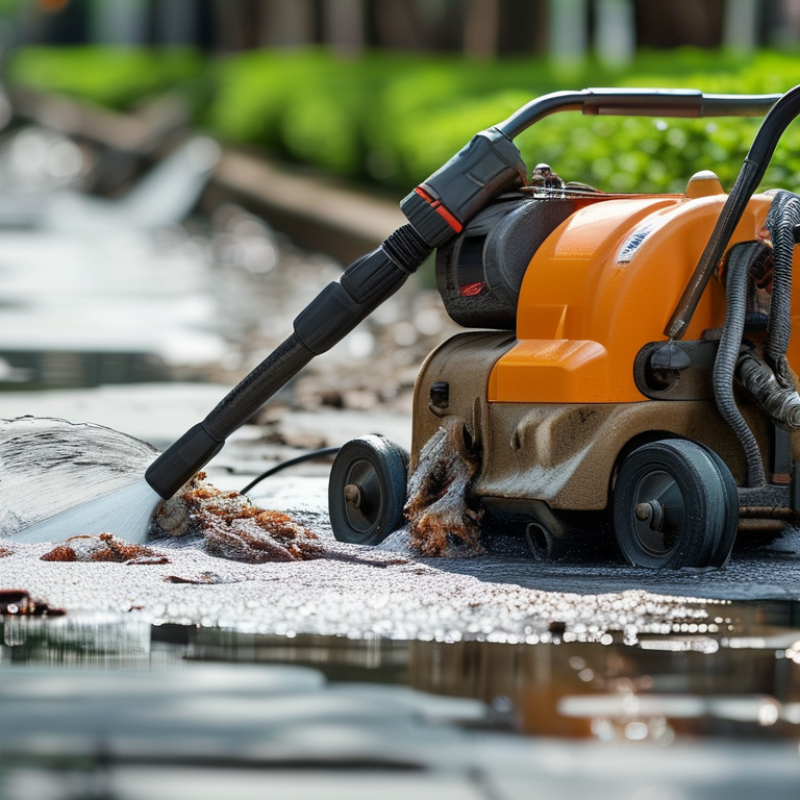
Understanding Sewer Jetting Machines: Types and Functions
Sewer jetting machines are vital for maintaining pipe systems. They utilize high-pressure water jets to remove blockages caused by grease, debris, and roots. Understanding these machines begins with recognizing the different types available, such as portable units and trailer-mounted models. Each type serves distinct functions, catering to various cleaning needs. Reports indicate that these machines can achieve cleaning efficiency levels exceeding 90%, making them essential for effective plumbing maintenance.
When using sewer jetting machines, attention to technique can impact results. For instance, ensuring the right nozzle is selected can optimize pressure and reach. A common mistake is rushing the process. Taking time to assess the blockage can provide better outcomes. Also, adjusting pressure based on the pipe condition is crucial. Not all pipes can handle high pressure without risking damage.
Regular maintenance of the jetting equipment is equally important. Proper care can extend its lifespan significantly. Inadequate maintenance may compromise performance. Keeping the nozzles clean and checking for wear can prevent issues. Following these tips can lead to more efficient cleaning and reduce long-term costs in pipe maintenance.
Key Features to Consider When Choosing a Sewer Jetting Machine
When selecting a sewer jetting machine, focus on key features that enhance efficiency. A powerful motor is essential. It ensures consistent pressure and flow. According to industry data, machines with 3,000 PSI can tackle tough blockages effectively. Ensure the model you choose meets this benchmark for optimal performance.
The hose length is equally important. A longer hose allows for better maneuverability in deeper pipes. Many professionals recommend hoses that range from 100 to 200 feet. Shorter hoses can limit your reach and force you to reposition the machine frequently. Also, consider the nozzle types. Different nozzles serve various purposes; some break up debris while others flush out solids.
Weight and portability are significant factors too. Heavy machines may hinder mobility. Look for designs that balance weight and ease of transport. Some operators regularly reevaluate their equipment choices. Is the current machine as efficient as it should be? Data shows that outdated models may result in higher operational costs. Focusing on these key features promotes better cleaning outcomes.
Step-by-Step Guide to Operating a Sewer Jetting Machine Effectively
Operating a sewer jetting machine effectively requires a blend of technique and safety awareness. Begin by familiarizing yourself with the machine’s controls. Proper training can significantly enhance safety and efficiency. If unsure, watching tutorial videos or obtaining hands-on training can be invaluable.
Before starting, inspect the equipment thoroughly. Check for any wear and tear, especially on hoses and nozzles. A small fracture can lead to significant issues during operation. It's wise to ensure you have the right attachments for the job. Using incorrect nozzles can hinder performance, leading to frustration.
During operation, maintain a steady pace. Rushing can compromise cleaning quality. Pay attention to the pressure adjustments as needed. Too high pressure can damage pipes, while too low may not clear clogs effectively. Reflect on your technique regularly; seeking feedback from experienced operators can help improve your skills. Remember, practice is key, but learning from mistakes is equally important.
Common Maintenance Tips for Longevity of Sewer Jetting Equipment
Proper maintenance of sewer jetting equipment is crucial for its longevity and efficiency. Regularly check hoses for wear and tear. Small cracks can lead to leaks. Inspect fittings and connections closely. Corrosion can develop over time. Replace any damaged parts promptly to avoid costly repairs.
Cleaning the nozzle is essential. Blockages can significantly reduce performance. Use a small brush to clear debris after each use. Don't forget to clean the high-pressure pump. Lack of lubrication can shorten its lifespan. Monitor the fluid levels frequently. Adding the correct fluid will ensure the machine operates smoothly.
Store the equipment in a dry, temperature-controlled environment. Extreme weather can damage sensitive components. Perform periodic tests to check functionality. These simple steps often get overlooked. Regular maintenance requires attention but pays off in the long run. It ensures that the sewer jetting machine works efficiently when you need it most.
Best Practices for Safety While Using Sewer Jetting Machines
When using sewer jetting machines, safety is paramount. Wear protective gear, including gloves, goggles, and masks, to prevent injuries. These machines can create high-pressure jets that may cause severe injuries if misused. Always ensure your equipment is in good condition before use. Regularly inspect hoses and connections for any signs of wear or damage.
It’s essential to follow operational guidelines for efficient performance. Keep your work area clear of obstacles. This minimizes the risk of accidents. Additionally, always be aware of your positioning when operating the machine. Maintaining a stable stance helps you control the jetting process better.
Tips: Start with lower pressure settings. Gradually increase as necessary for different blockages. This approach can prevent overwhelming the system and ensure effective cleaning. Always have a team member nearby. They can assist and provide immediate help if needed. Safety should never be compromised for efficiency.
Efficiency of Sewer Jetting Machines: Best Practices

 Questions? Give Us A Call!