How to Source High Quality Flat Glass for Your Business?
Sourcing high-quality Flat Glass is crucial for businesses aiming for excellence. In 2022, the global flat glass market was valued at $139 billion, with a projected growth rate of 6.3% per year. This growth reflects the increasing demand across various industries, especially construction and automotive. "Quality is non-negotiable in glass sourcing," says Dr. Emily Novak, a leading expert in the Flat Glass industry. Her insights emphasize the importance of selecting the right suppliers.
Crafting an efficient supply chain is vital but often overlooked. Many businesses face challenges in identifying reliable suppliers. A recent survey indicated that 40% of companies reported issues related to sourcing quality materials. This data highlights the need for a strategic approach to sourcing Flat Glass. Quality assurance should be at the forefront, yet it’s common for brands to compromise on this aspect to save costs.
Investing time in thorough research is essential. Understanding supplier capabilities ensures you receive the best products. Nevertheless, some businesses rush the sourcing process, missing critical quality checks. The stakes are high, as poor-quality Flat Glass can lead to project delays and increased costs. As the market evolves, attention to detail in sourcing must remain a priority for sustained success.
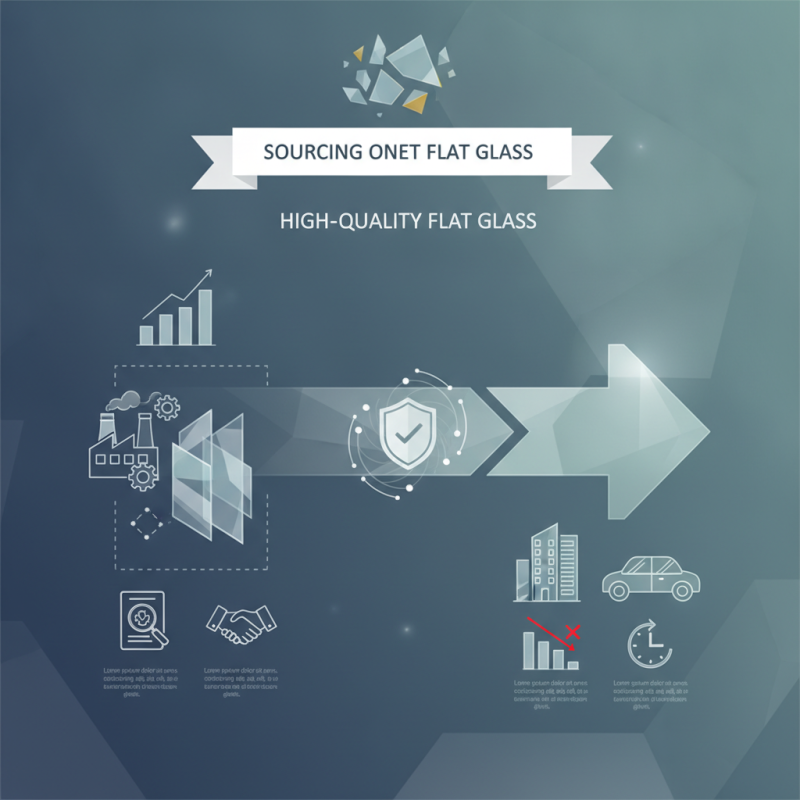
Identifying Your Flat Glass Business Needs and Specifications
When sourcing high-quality flat glass, understanding your business needs is vital. Consider the purpose of the glass—will it be used for windows, doors, or display cases? Each application has specific requirements. For instance, tempered glass is preferred for safety in high-traffic areas. Research from the Glass Association suggests that over 50% of glass used in commercial buildings must meet safety standards. Identifying these details early can save time and costs.
Quality specifications also matter. Determine if you need laminated, low-E, or soundproof glass. According to industry reports, demand for energy-efficient glazing has surged by 25% in recent years. This trend highlights the need for knowledgeable sourcing. Collaborating with suppliers who can meet these criteria is essential.
Tip: Always request samples to evaluate quality firsthand.
Logistics should not be overlooked. Understand the lead times, transport methods, and local availability of materials. Supply chain disruptions can lead to delays. It's essential to have multiple suppliers in mind.
Tip: Establish connections with local distributors for faster access.
Inadequate research can result in purchasing the wrong type or quality. Reflect on previous sourcing experiences. Were there issues with consistency? Reviewing these can enhance future decisions.
Researching Reliable Suppliers of Flat Glass Materials
Researching reliable suppliers of flat glass requires careful consideration. Start by identifying potential manufacturers that specialize in flat glass production. Look for companies with a solid reputation in the industry. Check online reviews and ratings. These insights can reveal the strengths and weaknesses of a supplier.
Visit trade shows and industry events to connect directly with suppliers. Personal interactions can provide valuable information about their production capabilities and quality control processes. Ask for samples to assess the glass quality firsthand. This step can help you understand the differences among various suppliers. Don't overlook small manufacturers; they might offer unique products and personalized service.
It’s also wise to inquire about their sourcing practices. Suppliers should use high-quality raw materials to create durable glass. Understanding their sourcing helps to gauge their commitment to quality. Some suppliers promise high standards but may fall short in execution. Reflect on their communication effectiveness as well. Clear communication often indicates a reliable partner. Engaging deeply in this process can ultimately lead to a lasting business relationship.
Evaluating Quality Standards and Certifications for Flat Glass
When sourcing flat glass for your business, understanding quality standards is crucial. Industry reports indicate that over 60% of flat glass fails to meet basic quality certifications, often due to manufacturing flaws. Poorly sourced glass can lead to costly repairs and safety hazards. Therefore, evaluating the right certifications is essential to ensure quality and reliability.
Key certifications like the ISO 9001 and ASTM standards can serve as reliable indicators of quality. ISO 9001 outlines a framework for quality management systems. Meanwhile, ASTM standards provide specifications that cover mechanical properties and safety requirements. It's important to ensure that the suppliers provide documentation proving compliance with these standards. Ignoring these certifications might save money initially, but it can lead to higher costs and safety issues down the line.
In addition, quality control measures must be a priority. Regular audits of suppliers can reveal discrepancies in production processes, ensuring end products meet safety and quality benchmarks. Businesses should consider this step as an investment, not just a regulatory box to tick. A lack of thorough evaluation may lead to partnerships that do not prioritize quality, reflecting poorly on your brand in the long run.
Negotiating Pricing and Terms with Flat Glass Suppliers
Negotiating pricing and terms with flat glass suppliers can be challenging yet rewarding. Start by researching current market rates for different types of flat glass. Understanding these prices will give you leverage during negotiations. Gather quotes from multiple suppliers to establish a baseline. This research establishes your credibility as a buyer, which can foster better relationships with suppliers.
When engaging suppliers, focus on building rapport. Communication is crucial. Ask open-ended questions to gauge their flexibility on pricing and terms. Don't hesitate to request discounts for bulk purchases. Establish clear terms regarding delivery schedules and payment methods. Small adjustments in terms can lead to significant savings. However, be prepared for some pushback. Transparency about your needs will show suppliers that you are a serious buyer.
Finally, reflect on your negotiation experience. Did you achieve your goals? Consider what worked and what didn’t. Were there areas where you could have pushed harder? Assessing these aspects can improve future negotiations. Building a reliable network of suppliers takes time, and each negotiation is a learning opportunity.
Establishing a Continuous Quality Control Process for Sourced Glass
Establishing a continuous quality control process for sourced glass is crucial in ensuring product excellence. Start by defining clear quality standards. Document specifications for thickness, clarity, and durability. Regular testing helps identify defects early. Use samples from each delivery to perform quality checks. This reduces the risk of using flawed materials.
Incorporating feedback from the production team can highlight recurring issues. Sometimes, glass that appears flawless may not withstand stress tests. A system for logging defects and performance allows for better tracking of supplier reliability. Regular audits of suppliers help in understanding their processes.
Not every sourced glass will meet expectations. Sometimes, fluctuations in temperature or handling can alter quality. It's vital to remain vigilant and adaptable, refining processes as needed. Building relationships with suppliers also plays a key role. Open communication can lead to improvements on both sides, fostering a partnership that prioritizes quality.
How to Source High Quality Flat Glass for Your Business?
Establishing a Continuous Quality Control Process for Sourced Glass
| Supplier Location | Type of Glass | Thickness (mm) | Quality Rating (1-10) | Lead Time (days) | Price per m² ($) |
| Germany | Tempered Glass | 6 | 9 | 14 | 25 |
| USA | Laminated Glass | 8 | 8 | 10 | 30 |
| China | Float Glass | 5 | 7 | 20 | 15 |
| Italy | Coated Glass | 10 | 9 | 12 | 35 |
| Japan | Insulated Glass | 12 | 10 | 15 | 40 |

 Questions? Give Us A Call!