Top 10 Striking Storefront Doors to Enhance Your Business Appeal?
Storefront doors play a crucial role in the overall appeal of your business. They are often the first thing potential customers notice. A captivating storefront door can draw people in and spark curiosity. It sets the stage for the customer experience that follows.
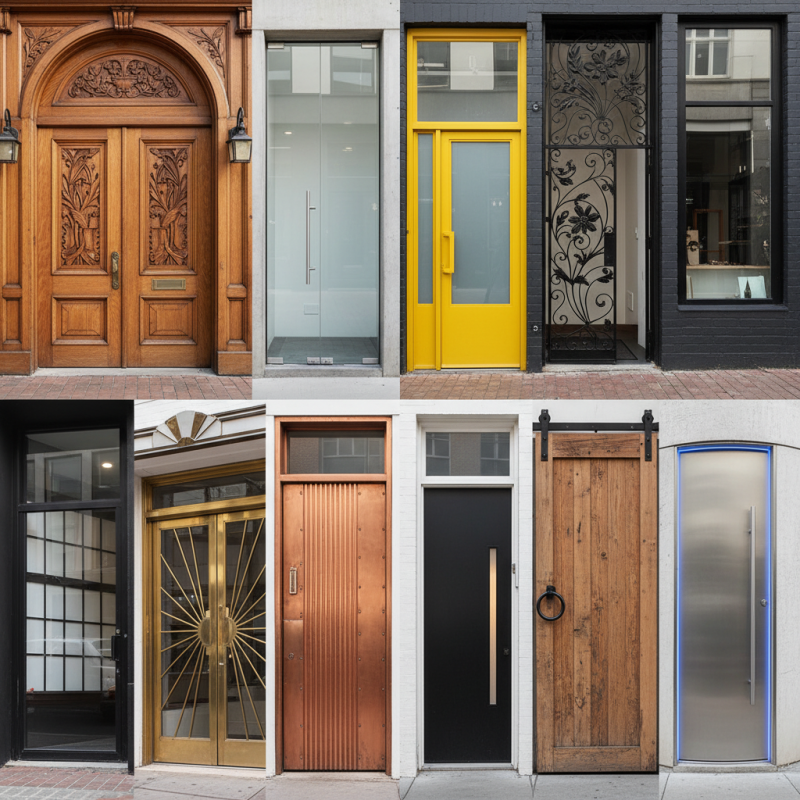
Consider the style and materials of your storefront doors. A well-crafted wooden door may convey warmth and tradition. In contrast, sleek glass doors can project modernity and transparency. Each choice sends a different message about your brand. However, the wrong choice can leave a lackluster impression. Sometimes, less attention is paid to this important detail.
Explore creative designs that reflect your business's personality. Perhaps a bold color could energize your space. Or intricate patterns might invite a closer look. Reflect on your options. Storefront doors are more than just entry points; they are gateways to opportunity.
Unique Designs: The Power of Artistic Storefront Doors
Storefront doors serve as the first point of contact for customers. A striking door can draw attention and elevate a brand’s image. According to a report by the American Institute of Architects, 69% of small businesses see an increase in foot traffic after enhancing their storefront designs. This highlights the importance of unique and artistic doors in attracting potential customers.
Artistic storefront doors come in various styles that can reflect a brand's identity. Options range from bold colors to intricate carvings. A wood door with detailed craftsmanship can evoke a sense of warmth and craftsmanship. However, challenging weather conditions can take a toll on some materials. Not all finishes stand up to time, leading to potential maintenance costs.
Investing in a creative door design has its intricacies. While eye-catching doors attract attention, they must align with the overall aesthetic of the business. A mismatch can confuse potential customers. Striking that balance between art and functionality is crucial. Choosing the right materials can ensure longevity and maintain visual appeal over time.
Material Choices: How Door Materials Affect Aesthetic Appeal
When it comes to storefront doors, the material you choose plays a significant role in your business's overall appeal. Wood offers warmth and character. A rustic wooden door can create a cozy vibe, attracting customers. However, wood requires maintenance. It can warp or fade over time, which may detract from your brand’s image.
On the other hand, metal doors are durable and modern. They provide a sleek look that may impress tech-savvy clients. Yet, they can sometimes appear cold and uninviting. Glass is another option that adds transparency and lightness to a space. With large glass doors, customers can see inside. This openness is inviting, but too much glass might lead to privacy issues.
Choosing the right material involves weighing pros and cons. Each option has its aesthetic qualities and challenges. Aesthetic appeal should align with your brand identity. Think about what message your door conveys. A thoughtful selection may enhance your business's charm and attract loyal customers.
Top 10 Striking Storefront Doors - Material Choices & Aesthetic Appeal
Color Psychology: Choosing the Right Hue for Your Business
Choosing the right color for your storefront door can have a significant impact. Color psychology plays a crucial role in how customers perceive your business. For instance, red can evoke excitement and energy. This hue can attract attention but may also be overwhelming if overused. It’s essential to find a balance that feels welcoming.
Blue, on the other hand, conveys trust and security. Many businesses opt for this color because it resonates with calmness. However, depending solely on blue may create an overly cold environment. Adding a warmer accent color can soften the effect and make the space feel more inviting.
Remember that colors can also clash with your location or style. A bright yellow door might look fun in a beach town. Yet, in a more subdued urban setting, it could seem out of place. Reflecting on your surroundings is key. A well-thought-out choice can enhance your business appeal, while a careless one may lead to confusion or discomfort. Balancing creativity with awareness is crucial for your storefront design.
Functionality and Security: Balancing Beauty with Safety
Choosing the right storefront door is crucial for any business. It’s not just about aesthetics; it’s about functionality and security too. A beautiful glass door can draw customers in, but what happens when safety is compromised?
Thicker, tempered glass can provide security while enhancing visual appeal. However, it can limit visibility from the street. Balancing these elements is key.
A well-designed door must also cater to access needs. Heavy doors can be a challenge for some customers. Automatic sliding doors offer convenience, but they require maintenance. Are they secure enough when closed? Integrating smart locks adds another layer of safety, yet they demand regular updates. Reflecting on these factors can lead to better decision-making.
Think about the lighting around your door. Subtle yet effective lighting can highlight details. However, it could also create shadows. Shadows can discourage visitors who fear hidden dangers. It’s a delicate balance to strike. Storefront doors are more than mere entry points; they shape customer perceptions and can invite reflection on both beauty and safety.
Accessorizing: Enhancing Storefront Doors with Hardware and Decor
When it comes to storefront doors, accessorizing plays a pivotal role in their overall appeal. Hardware details, such as handles and hinges, can dramatically change the door's impact. A rustic knob might add charm, while sleek modern handles can convey sophistication. Consider materials that blend with your storefront theme. Metal finishes like brass or matte black can create a striking contrast. They draw the eye but should not overpower the door itself.
Decorative elements can further elevate the look. Adding a seasonal wreath or vibrant plants near the entrance can make the space feel inviting. Think about lighting as well. Soft, warm lights accentuating the door can create an inviting atmosphere. However, it’s essential to strike a balance. Too much decor may clutter the space. Reflections on your choices can lead to a more cohesive design.
Remember that storefront doors should tell a story about your brand. Every accessory should enhance that narrative. If something doesn’t fit, it can disrupt the message you wish to convey. Don’t hesitate to try different styles and arrangements. Experimentation can lead to exciting discoveries that resonate with your clientele. Ultimately, the right accessories will draw customers in, enhance your aesthetic, and create lasting impressions.




 Questions? Give Us A Call!
