Top Tips for Choosing the Best Inside Doors for Your Home?
Choosing the right inside doors can significantly impact your home’s atmosphere. These doors are more than just functional; they express your style and taste. When selecting inside doors, consider materials, design, and how they fit your space.
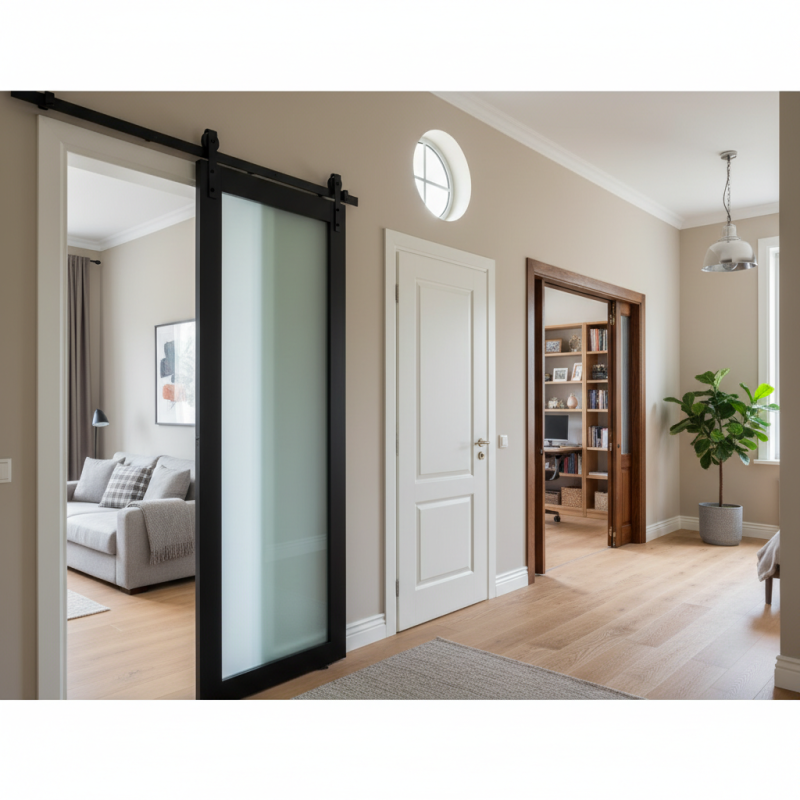
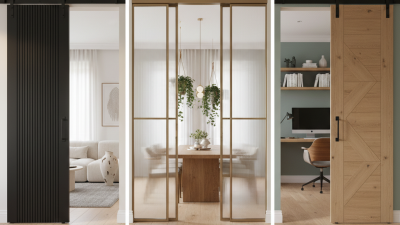
Different styles can change the entire look of a room. For instance, sliding doors save space, while traditional hinged doors offer a classic touch. It’s important to match the door's design with your decor. However, making the right choice can be challenging. Many overlook the significance of door quality and durability.
Reflecting on your needs is crucial. Do you prioritize aesthetics or sound insulation? Sometimes, a door that looks good may not be practical. Take your time to research and compare options. Your choice of inside doors deserves thoughtful consideration.
Factors to Consider When Selecting Inside Doors for Your Home
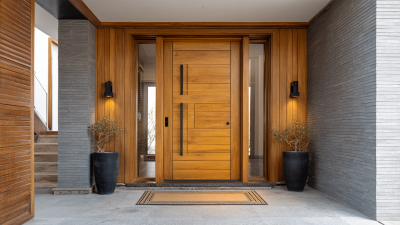
Choosing the right inside doors for your home can be overwhelming. There are various factors to consider that can impact both aesthetics and functionality. The door's material is a critical point. Solid wood doors offer durability and a classic look, while hollow core doors are lightweight and cost-effective. Each material has its pros and cons, and that's worthy of reflection.
Another important factor is the style of the door. You might be drawn to modern designs or perhaps traditional ones. Think about how the door complements your existing decor. A misfit can disrupt the visual harmony. Also, consider the size and layout of the space. A tall door can create an illusion of height, while a smaller door might make a room feel cramped.
Don't forget about the door's function. Are you looking for privacy, sound insulation, or simply a passage? A door with good soundproofing is vital for a quiet home. Take time to weigh your choices. It's easy to get caught up in trends, but ensuring the door fits your lifestyle is crucial. Balancing style and functionality is a delicate task that deserves careful thought.
Top Tips for Choosing the Best Inside Doors for Your Home
| Factor |
Description |
Material Options |
| Style |
Consider the architectural style of your home and choose a door that complements it. |
Solid wood, Panel, Flush |
| Functionality |
Think about how the door will be used - decorative, privacy, or soundproofing. |
Acoustic, Bi-fold, Pocket |
| Durability |
Select doors made from materials that can withstand frequent use. |
Steel, Fiberglass, Engineered wood |
| Energy Efficiency |
Choose doors that provide good insulation to reduce energy costs. |
Hollow core, Insulated core |
| Cost |
Factor in your budget for purchasing and installing doors. |
Economical, Mid-range, High-end |
| Maintenance |
Consider how much upkeep the door will require. |
Low-maintenance options like vinyl or fiberglass |
Common Materials Used for Interior Doors and Their Benefits
Choosing the right interior doors for your home involves understanding materials and their benefits. Popular choices include solid wood, hollow core, fiberglass, and metal. Each material offers unique advantages.
Solid wood doors are known for durability and insulation. They provide excellent soundproofing. However, they can be pricey and may warp over time if moisture exposure occurs.
Hollow core doors are lighter and more budget-friendly. They are easy to install and paint. Still, they lack the same sound insulation as solid wood. Fiberglass doors are resistant to all kinds of weather, making them ideal for humid areas. Yet, they can be less authentic in feel compared to wood.
When choosing, consider the room's need for privacy. For quieter rooms, opt for solid materials. In high-traffic areas, lightweight options may be more practical. Always balance aesthetics with functionality. Reflect on your lifestyle and space requirements; not every choice is straightforward.
Ultimately, your choice of interior doors should align with both style and practicality. Aim for options that will stand the test of time while serving your daily needs.
Design Styles: Matching Doors with Your Home's Aesthetic
When choosing inside doors, design styles play a crucial role.
Consider your home's overall aesthetic. A modern home may benefit from sleek, minimalist doors. These doors often feature
clean lines and neutral colors. On the other hand, a rustic home might call for wooden doors with a weathered finish.
The texture of reclaimed wood adds warmth and character.
Match your doors to other elements in your home. For example, if you have ornate moldings, choose doors that reflect
that craftsmanship. Avoid mismatches; they can disrupt visual flow. Pay attention to details like doorknobs and finishes.
These small touches can enhance or detract from your overall design.
Don’t hesitate to mix styles. An eclectic home can embrace both modern and vintage doors. However, this approach requires
careful thought. A poorly chosen door can clash dramatically.
Step back and visualize how each door complements your space.
It’s okay to take your time. Remember,
the right door can define a room's mood and style.
Understanding Door Sizes and How to Choose the Right Fit
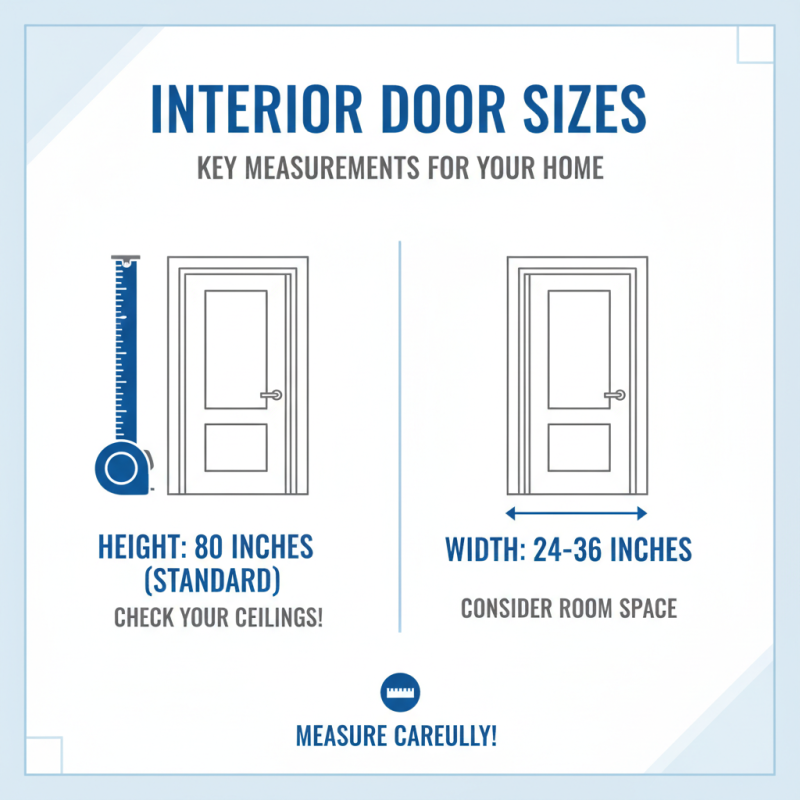
When choosing inside doors, size is crucial. The standard height for interior doors is typically 80 inches. However, not every home has the same ceiling height. Measure your door frames carefully, as an inch can make a difference. Widths often range from 24 to 36 inches. Think about the space in your rooms. A narrow door can feel cramped in a wide corridor.
Choosing the right fit requires more than dimensions. Consider the style of your home. Traditional homes might benefit from classic styles. Modern homes often favor sleek, minimalist designs. Pay attention to the thickness of the doors, too. Standard doors are usually 1 3/8 inches thick. Thicker doors can provide better sound insulation. You might prefer a more solid feel, which could enhance the room's ambiance.
Don’t overlook the importance of door swings. Right and left-hand doors can change the flow of a room. Visualize how you will use the space. Sometimes practical decisions can lead to regret later. A door that opens into a busy corridor may not be the best choice. Take time to consider these factors before making a purchase. Making the right call now can save you headaches down the road.
Budget Considerations: Balancing Cost and Quality in Door Selection
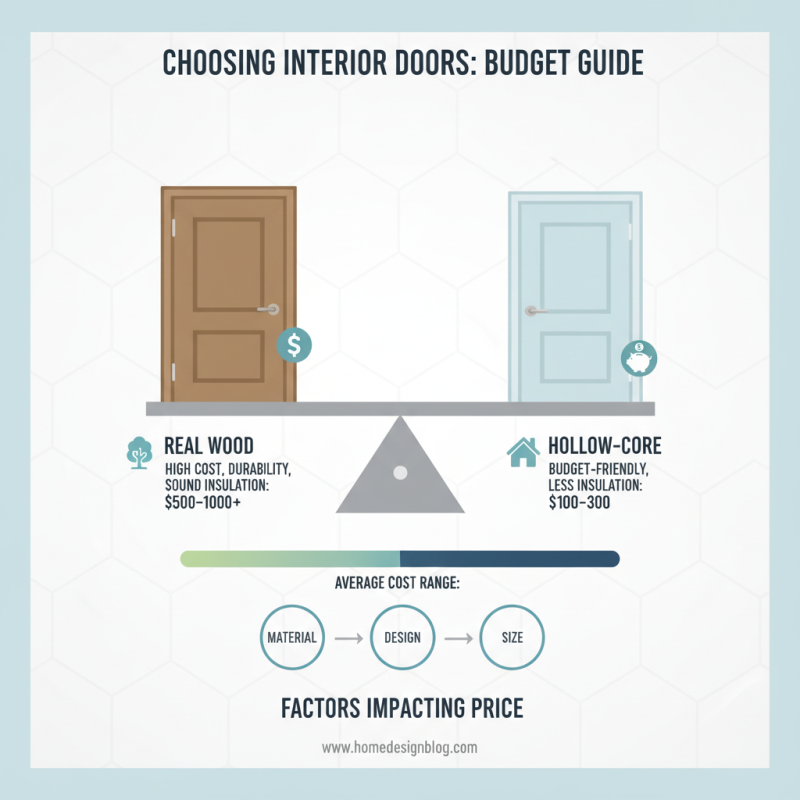
When choosing inside doors, budget considerations play a crucial role. Homeowners often encounter the dilemma of balancing cost and quality. According to industry reports, the average cost of interior doors ranges from $100 to $1,000. Factors impacting price include material, design, and size. Real wood doors tend to be the most expensive, while hollow-core doors offer a budget-friendly option.
While low-cost doors may be tempting, they often compromise on durability. A report from a leading home improvement survey indicated that homeowners spend an average of 20% on door replacements within five years. This figure highlights the importance of investing wisely. Quality doors improve insulation, enhance aesthetics, and provide better security.
It's essential to reflect on your long-term needs. Consider how frequently the doors are used. High-traffic areas demand sturdier materials. However, some may overlook the subtle signs of wear. Every scratch or dent on a cheaper door reminds us of our choices. Prioritize quality where necessary but remain aware of your overall budget.

 Questions? Give Us A Call!