
Global buyers increasingly expect product information to feel immediate, measurable, and trustworthy. 3D Render Videos meet that expectation by showing form, scale, materials, movement, and use cases before physical samples arrive. This matters across furniture, consumer electronics, architecture, machinery, and interior products. A buyer can inspect a brushed-metal surface, rotate a modular sofa, or watch a machine operate inside a realistic workspace.
The opportunity is supported by broader video-market evidence. Wyzowl’s State of Video Marketing 2024 reports that 91% of businesses use video as a marketing tool. The same report states that 90% of video marketers consider their return on investment positive. These figures do not prove that every 3D video will sell products. They show that buyers and marketing teams increasingly accept video as a serious communication channel. Grand View Research also projects strong growth for the global 3D rendering market through 2030, driven by visualization demand in design, manufacturing, media, and real estate.
Yet impressive graphics alone are not enough. A polished animation can still fail when dimensions are unclear, lighting hides defects, or claims exceed the product’s actual performance. That is where professional judgment matters. The best 3D Render Videos combine accurate CAD data, realistic materials, clear subtitles, localized measurements, and honest demonstrations. Small details build confidence. A visible hinge movement. A practical installation sequence. A comparison against familiar objects.
Global buyers need evidence, not decoration. This guide examines the top video formats that support clearer evaluation, stronger communication, and more dependable purchasing decisions. Some results may vary. Buyer behavior is never perfectly predictable.
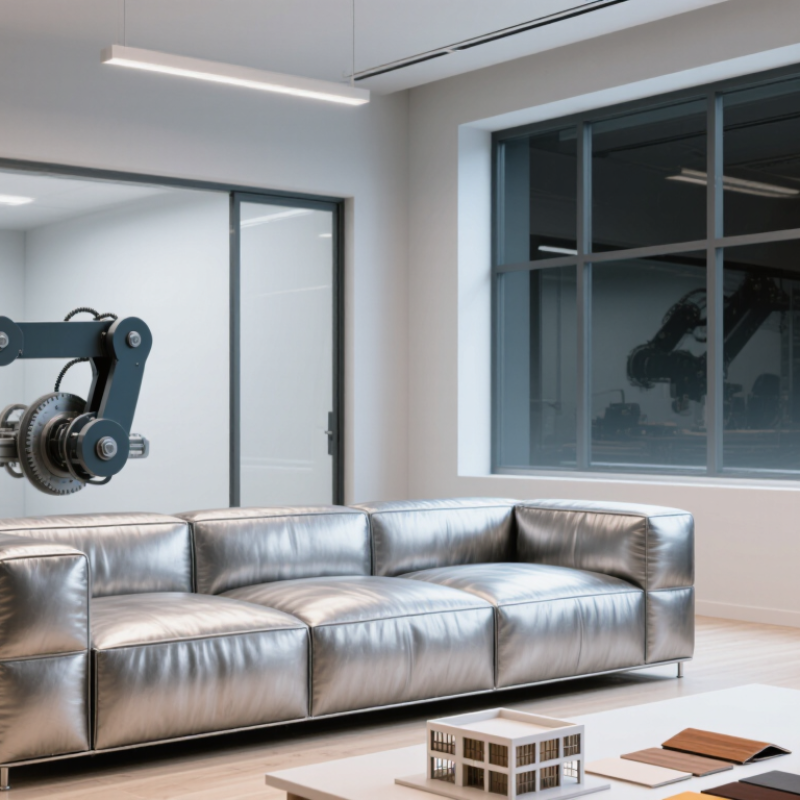
What 3D Render Videos Mean for Global Buyers
For global buyers, a 3D render video is more than attractive product footage. It is a visual checkpoint before a purchase. A rotating view can reveal dimensions, moving parts, surface finishes, and installation space. Buyers can inspect a cabinet door opening, a machine panel, or the shadow beneath a product without visiting a factory.
The strongest videos answer practical questions. They show scale beside a familiar object, such as a hand, desk, or standard pallet. They demonstrate assembly steps with clear camera angles. They also identify materials, color references, connection points, and optional components. Experienced suppliers should match these visuals with technical drawings, measurements, sample photos, and current production details. A video alone is not reliable evidence.
Global buyers also use render videos to reduce communication gaps. A short animation can clarify whether a part slides, folds, locks, or remains fixed. It helps purchasing teams, engineers, and logistics staff discuss the same object. Captions and simple language improve access across different languages and time zones. Still, a render can flatter reality. Lighting may hide texture, and digital colors may appear warmer than the physical sample. That limitation deserves honesty. Version dates, material notes, and visible tolerances make the video more trustworthy. A careful buyer may still request a prototype, because confidence should grow from several forms of evidence.
What 3D Render Videos Mean for Global Buyers
For global buyers, 3D product demos, installation explainers, and customization videos are most valuable because they help communicate product value, reduce uncertainty, and support purchase decisions across languages and markets. The percentages show widely reported outcomes for business video content and provide a benchmark for evaluating 3D render video impact.
Benchmark basis: 2024 global video-marketing survey results; figures describe video content generally, not one specific 3D video campaign.
High-quality 3D render videos make product details immediately understandable. Scale, texture, and movement must feel physically believable.
Show the product from a buyer’s viewpoint. Rotate a machine slowly. Zoom into a brushed-metal joint. Reveal internal components with a clean cutaway.
Accurate lighting should distinguish glass, rubber, polished steel, and matte plastic. Poor reflections expose weak modeling quickly. They still happen.
Global buyers also need clear pacing and localization. The Digital 2024 Global Overview reported average daily internet use above six hours. Attention remains limited. Keep the opening visual within three seconds. Add captions, neutral narration, and measurements in familiar units.
Display installation steps, packaging size, and safety information on screen. A fast video may look modern, but it can hide important evidence.
Export quality matters too. Use sharp 4K footage when product details require inspection. Compress carefully for mobile viewing and slower networks.
According to practical production experience, sound design should support movement rather than overpower it. One mistake remains common: beautiful animation without a clear buying purpose. Each camera angle should answer a question, even if the answer reveals a design weakness.
3D render videos help international buyers evaluate products before physical samples arrive. The most useful formats are product walkthroughs, real-use simulations, and feature comparison videos.
A walkthrough can reveal dimensions, materials, moving parts, and installation points. Show the mechanism. A real-use simulation places the product in a kitchen, warehouse, office, or outdoor setting. Buyers can judge scale and practical fit more easily.
Comparison videos should use identical camera angles and measurable criteria, such as capacity, operating range, or assembly time.
This approach supports clearer cross-border communication. Wyzowl’s 2024 State of Video Marketing report found that 91% of businesses use video marketing, while 90% reported positive return on investment.
For global evaluation, visual evidence can reduce misunderstandings caused by technical language. CSA Research’s “Can’t Read, Won’t Buy” study reported that 75% of consumers prefer products in their own language, and 40% will not buy products in other languages.
Add localized subtitles, metric conversions, and short on-screen labels. Keep it honest. A render should show realistic lighting, material behavior, and product limitations.
Overly polished scenes may create doubt when the delivered item looks different. One weakness remains: 3D videos cannot replace tactile inspection or compliance documents. They work best beside technical drawings, test results, and responsive expert support.
What Are the Top 3D Render Videos for Global Buyers?
Which 3D Render Video Types Suit Different Buying Decisions
Buyers need different evidence at different stages. An inspirational 3D render video works well when they are still exploring options. It can show a product in a bright apartment, office, or outdoor setting. Smooth camera movement creates emotional interest. Keep it short and visually clear.
Comparison videos support a more serious shortlist. They can show size differences, colors, configurations, and operating methods side by side. Accurate labels matter here. A 20-second rotation may reveal more than dramatic lighting. For technical buyers, an exploded-view video explains internal parts, assembly points, and material layers. Measurements should match approved drawings. Small errors damage trust quickly.
Procurement teams often need installation or usage videos. These renderings can show delivery routes, connection steps, maintenance access, and realistic space requirements. In my experience, buyers often pause at doorways, hinges, and clearance areas. Those details influence approval. A polished animation can still mislead if it hides difficult access or exaggerates product scale. That weakness deserves review. Use verified dimensions, consistent shadows, and readable subtitles for international audiences. Local viewing habits also vary, so test pacing with people unfamiliar with the product. Some viewers prefer technical proof. Others need a simple visual answer.
Which 3D render video types suit different buying decisions?
| 3D Render Video Type | Primary Buying Decision | Best-Fit Product Categories | Key Information Communicated | Most Suitable Buyer Stage | Recommended Length | International Buyer Value | Decision Support Score | Main Limitation |
|---|---|---|---|---|---|---|---|---|
| Photorealistic Product Showcase | “Does this product look premium and suitable for my market?” | Consumer products Furniture Lighting Home goods | Product appearance, materials, finishes, color options, proportions, and overall presentation. | Initial evaluation and supplier shortlisting | 30–60 seconds | Shows the product consistently when physical samples are unavailable or international shipping is expensive. | ★★★★★ | May not fully explain internal structure, operating steps, or real-world scale. |
| Exploded-View Product Animation | “How is the product built, and what components are included?” | Electronics Machinery Tools Equipment | Internal components, assembly relationships, functional modules, component names, and construction logic. | Technical review and specification comparison | 45–90 seconds | Reduces misunderstandings caused by language differences and helps buyers review complex products remotely. | ★★★★★ | Requires accurate technical drawings or 3D models to avoid misleading component details. |
| Functional Demonstration Animation | “How does the product work in actual use?” | Appliances Industrial equipment Smart devices Hardware | Operating sequence, moving parts, user interaction, performance logic, and safety-related steps. | Technical validation and purchase approval | 45–120 seconds | Explains operation without requiring an on-site demonstration or a shared spoken language. | ★★★★★ | Visual animation can explain operation but cannot replace independent testing or certification documents. |
| Manufacturing and Assembly Process Video | “Can the supplier produce consistently and meet quality expectations?” | OEM products Private-label goods Industrial parts Construction products | Production stages, assembly order, quality checkpoints, materials, packaging flow, and process controls. | Supplier qualification and due diligence | 60–150 seconds | Gives overseas buyers a clear visual overview of production logic before an audit or factory visit. | ★★★★☆ | A rendered process is illustrative and should be supported by real inspection records and factory evidence. |
| Configuration and Variant Comparison Video | “Which version, size, color, or specification should I order?” | Modular products Furniture systems Automotive parts Packaging | Available variants, dimensions, material options, accessories, compatibility, and differences between models. | Shortlisting and quotation preparation | 30–75 seconds | Helps buyers compare options quickly and reduces specification errors in cross-border communication. | ★★★★★ | Every displayed option must match the actual product configuration and available production capability. |
| Application and Lifestyle Visualization | “Will this product fit the intended environment and customer use case?” | Interior products Building materials Consumer goods Outdoor products | Scale, placement, surrounding environment, use scenario, visual impact, and potential customer experience. | Market testing and commercial approval | 30–60 seconds | Allows distributors and buyers to visualize local applications before importing inventory or producing samples. | ★★★★☆ | Lighting, environment, and decorative elements may make the product appear different from the delivered item. |
| Installation and Maintenance Tutorial | “Can the product be installed, serviced, and supported efficiently?” | Fixtures Equipment Technical products Replacement parts | Installation order, required tools, connection points, maintenance access, replacement steps, and precautions. | After-sales planning and operational approval | 60–180 seconds | Supports distributors, installers, and end users across different countries and time zones. | ★★★★☆ | Local regulations, electrical standards, and safety requirements may require additional instructions. |
| Scale, Dimension, and Spatial-Fit Animation | “Will the product fit the available space, packaging, or transport requirements?” | Large equipment Furniture Industrial components Logistics products | Overall dimensions, clearance requirements, access space, folded or assembled size, and package footprint. | Technical approval and logistics planning | 30–75 seconds | Helps buyers evaluate warehouse, installation, container, and delivery constraints before placing an order. | ★★★★☆ | Visual scale must be linked to verified measurements; animation alone cannot confirm site conditions. |
Global buyers should compare 3D render videos by accuracy, clarity, and practical usefulness. A visually impressive video is not always reliable. Check whether the dimensions, materials, colors, and moving parts match the technical drawings. Look for realistic lighting, clean camera movement, and views from several angles. These details help buyers understand a product before requesting samples or discussing production.
Compare videos under similar conditions. A useful video should show scale, installation space, surface texture, and important connections. Ask whether the rendering uses confirmed specifications or temporary design assumptions.
In my experience, unclear labels often create costly misunderstandings between buyers, designers, and factories. A polished video can still mislead. I have seen attractive renders hide awkward access points and maintenance problems.
Tips: Save each video with its revision date. Check measurements against the latest drawings. Request close-ups of hinges, seams, interfaces, and internal spaces. Ask for a plain version without dramatic effects. Faster is not always clearer. If a detail looks too perfect, question it. Global teams should also review subtitles, measurement units, file formats, and color references. Small differences can affect approval decisions across regions. One weakness remains common: buyers sometimes judge realism before checking technical accuracy. That habit deserves correction.