Top 10 Front Door Replacement Options for Global Buyers?
The decision to invest in front door replacement is crucial for homeowners worldwide. A recent study by the National Association of Realtors indicates that over 70% of homebuyers prioritize the entryway's aesthetics. This highlights the importance of an appealing front door.
Choosing the right front door can significantly impact a home's energy efficiency and security. According to the Department of Energy, an upgraded front door can reduce energy costs by up to 15%. However, not every option suits every home. It is essential to consider materials, styles, and technologies available.
While many options exist, buyers often overlook some critical factors. Relying solely on trends can lead to dissatisfaction. Investing in a front door should be about balancing personal style and functionality. Understanding the market can guide smarter choices for home improvement.
Top Considerations for Choosing Front Door Replacement Options
When selecting a front door replacement, various factors warrant careful consideration. A well-chosen door can significantly enhance curb appeal, energy efficiency, and security. According to a study by the National Association of Realtors, a new front door can improve a home’s resale value significantly.
Insulation is a crucial aspect. A solid core door provides better insulation than a hollow one. This could lower energy bills. Look for doors with a high R-value. A door with an R-value of 5 or more is ideal for energy efficiency. You may want to evaluate the material as well. Fiberglass and steel often outperform wood in durability and maintenance.
Tip: Always consider local climate conditions when choosing materials. Humidity can warp wooden doors, while steel may rust in wet environments.
Security features play an essential role too. Reinforced frames and impact-resistant glass can deter potential break-ins. A study by the Home Safety Council reveals that up to 34% of burglars enter through the front door. Investing in robust locks and smart technology can provide peace of mind.
Tip: Don’t overlook aesthetics. A stylish door can complement your home’s architecture. It’s not just a barrier; it's a statement.
Consider both function and form for a balanced decision. Your front door is the first line of defense and a reflection of your home's personality.
Top 10 Front Door Replacement Options for Global Buyers
| Option |
Material |
Energy Efficiency |
Durability |
Average Cost (USD) |
| Fiberglass Door |
Fiberglass |
High |
Very High |
1,200 |
| Steel Door |
Steel |
Moderate |
High |
800 |
| Wood Door |
Wood |
Moderate |
Moderate |
1,500 |
| Aluminum Door |
Aluminum |
High |
Very High |
1,000 |
| Vinyl Door |
Vinyl |
High |
Moderate |
700 |
| Composite Door |
Composite |
High |
High |
1,000 |
| Therma-Tru Door |
Fiberglass |
High |
Very High |
1,500 |
| Sliding Glass Door |
Glass & Aluminum |
High |
Moderate |
1,200 |
| French Door |
Wood or Vinyl |
Moderate |
Moderate |
1,300 |
| Bi-fold Door |
Wood or Aluminum |
High |
High |
1,800 |
Comparing Different Materials for Front Door Durability and Aesthetics
When choosing a front door, durability and aesthetics are crucial. Various materials provide different benefits.
Wood doors offer charm and warmth. However, they require regular maintenance to prevent warping and fading. It's essential to consider the climate in your area. Extreme temperature swings can affect wooden doors more than any other type.
Fiberglass is another popular option. It mimics the look of wood but demands less upkeep. This material resists dents, scratches, and harsh weather. However, the initial cost can be higher than wood. Homeowners may need to weigh the long-term benefits against upfront investment.
Steel doors provide excellent security and insulation. Yet, they can rust if not properly coated. Routine checks for damage are necessary to maintain their appearance.
Glass doors offer a modern aesthetic but may lack security compared to other options. They work well in well-lit areas but often require privacy solutions like curtains. Choosing the right material hinges on personal taste and local conditions. Reflecting on these factors can lead to a more satisfying decision for your entryway project.
Understanding Energy Efficiency Ratings in Front Door Choices
When considering front door replacements, energy efficiency is a critical factor. According to the U.S. Department of Energy, homeowners can save up to 20% on energy bills with an efficient front door. Look for doors with high energy efficiency ratings. These ratings often include U-factor, solar heat gain coefficient, and R-value. A low U-factor indicates better insulating properties.
Research from the National Fenestration Rating Council (NFRC) indicates that well-insulated doors significantly reduce heating and cooling costs. Many new doors are designed with advanced materials that enhance energy efficiency. However, not all options meet performance expectations. Some may lack adequate sealing, leading to drafts and increased energy usage.
Incorporating energy-efficient doors into home designs can also boost resale value. A study by the Joint Center for Housing Studies found energy-efficient upgrades can yield a return of 100% or more. However, if a door does not fit properly or has poor installation, it could negate savings. Selecting the right door involves careful consideration of both energy ratings and professional installation.
Top 10 Front Door Replacement Options
This bar chart displays the energy efficiency ratings of various front door replacement options for buyers globally. The ratings are based on Energy Star ratings and reflect the thermal performance of the doors.
Popular Design Styles for Front Doors Around the World
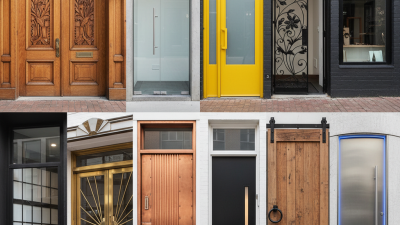
When considering front door designs, various styles cater to global preferences. Traditional wood doors evoke warmth and sophistication. They feature intricate carvings or natural stains, enhancing a home’s classic look. In contrast, modern designs often lean towards sleek metal or fiberglass, exuding minimalism and contemporary charm.
Cottage doors are charming and rustic, ideal for countryside homes. Bright colors and ornate handles add character. Mediterranean styles incorporate arches and tiles, connecting with nature. Contrast that with Asian-inspired sliding doors, blending functionality with tranquility.
Tips: When selecting a style, consider the architectural context of your home. A door should complement and enhance your residence's unique features. Also, think about the durability of materials based on your local climate. Sometimes, the choice might seem overwhelming. Reflecting on your lifestyle can help narrow down options.
Cost Analysis: Budgeting for Your Front Door Replacement Project
Replacing your front door can significantly change your home's appearance and security. However, it's essential to budget wisely. The cost varies based on materials, labor, and design. A solid wood door may cost more than one made of fiberglass. You also need to account for installation charges, which can add a significant amount.
When planning your project, consider your local market. Prices fluctuate based on region and availability. Custom designs are appealing but often cost more. Think about whether you need additional features, like better energy efficiency or advanced locks. Each feature adds to the price, making it crucial to prioritize what matters most to you.
Reflect on your current door. Is it drafty or damaged? Sometimes, a simple repair is more economical. Understanding long-term costs is vital. Cheaper doors might save money upfront but could lead to higher energy bills. A balance between initial investment and ongoing maintenance is necessary. Keep all these aspects in mind when choosing your front door replacement.


 Questions? Give Us A Call!