Top 10 Small Wheat Harvesters for Efficient Farming Solutions?
small wheat harvesters are becoming increasingly important in modern agriculture. As farming focuses on efficiency, these machines offer a practical solution for managing wheat crops. These compact devices are designed to work on smaller fields, making them ideal for family-owned farms. Their advanced technology allows farmers to save time and labor costs.
The agricultural sector is evolving rapidly. Many farmers are now looking for innovative ways to increase productivity. small wheat harvesters stand out in this regard, combining power with maneuverability. They can navigate tight spaces where larger machines cannot. Yet, selecting the right model can be overwhelming due to the variety available on the market.
Efficient farming requires reliable equipment. Farmers must consider features such as capacity, ease of use, and maintenance needs. It is critical to research each model’s specifications thoroughly. While small wheat harvesters provide numerous benefits, farmers should also reflect on their unique operational needs. Ultimately, the right choice can enhance yield and streamline farming processes.
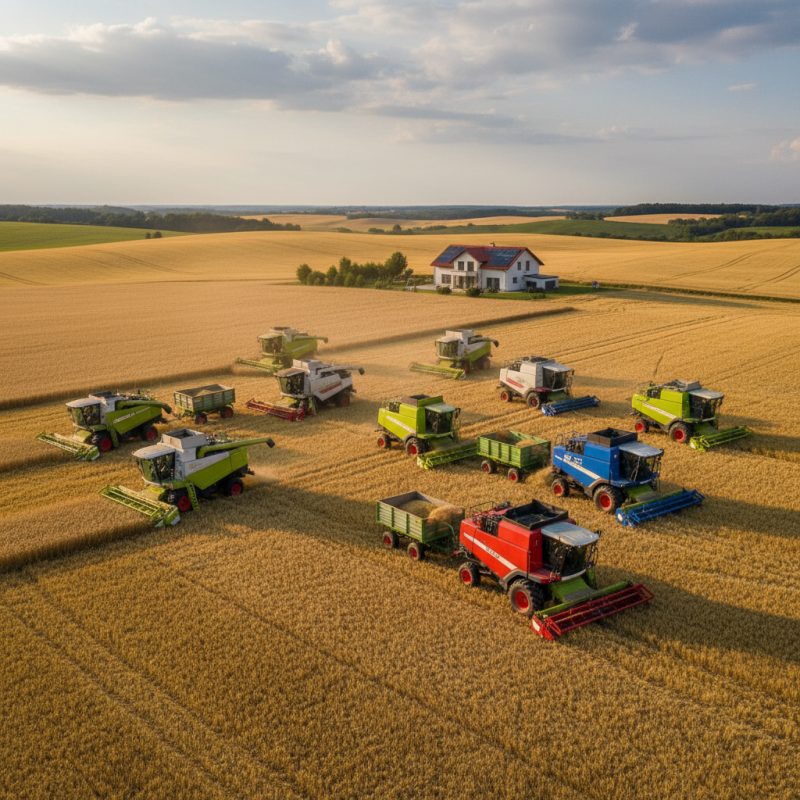
Top Features to Consider in Small Wheat Harvesters for Farms
When selecting small wheat harvesters, consider essential features for effective farming. First, the size and weight of the harvester matter. A compact design can easily navigate tight spaces and delicate crops. Look for units that offer adjustable headers. This flexibility can accommodate varying field conditions.
Another critical feature is the efficiency of the cutting system. A sharp, reliable cutting mechanism reduces crop loss. Precision is key; uneven cuts might hinder overall yield. Farmers should also evaluate the fuel consumption of harvesters. An efficient model can save significant costs in the long run.
Tips: Check user reviews for insights on functionality. Real-world experiences provide valuable information. Always assess warranty options; a solid warranty reflects manufacturer confidence in the product. Be cautious with attachments. They can enhance performance but may add complexity. Ultimately, reflect on your unique farming needs before making a decision.
Top 10 Small Wheat Harvesters for Efficient Farming Solutions
| Model | Cutting Width (ft) | Engine Power (HP) | Weight (lbs) | Fuel Capacity (gal) |
| Harvester A | 12 | 75 | 3000 | 20 |
| Harvester B | 10 | 65 | 2800 | 18 |
| Harvester C | 14 | 85 | 3200 | 22 |
| Harvester D | 11 | 70 | 3100 | 19 |
| Harvester E | 13 | 90 | 3300 | 21 |
| Harvester F | 9 | 60 | 2700 | 17 |
| Harvester G | 15 | 95 | 3500 | 23 |
| Harvester H | 12 | 80 | 2900 | 20 |
| Harvester I | 8 | 55 | 2600 | 16 |
| Harvester J | 7 | 50 | 2400 | 15 |
Comparison of Popular Small Wheat Harvesters: Performance & Efficiency
When selecting small wheat harvesters, performance and efficiency play crucial roles. It's vital to assess each harvester's engine power and cutting width. These factors determine how quickly and effectively you can harvest your crops. A machine that operates efficiently can save both time and fuel.
Tips: Always test the harvester in real field conditions. This practice helps evaluate its performance under varying weather and soil conditions. Pay attention to how it handles uneven terrain and its ability to cut wet or dry wheat.
Operator comfort is another key aspect to consider. Ergonomics can impact productivity. A well-designed operator’s seat reduces fatigue, allowing longer hours in the field. Additionally, consider the ease of maintenance. Harvesters with accessible parts are generally easier to service, reducing downtime during critical harvesting periods.
Tips: Keep a daily log of your harvester's performance. Note any issues and repairs needed. This data will guide your maintenance schedule and help you identify patterns over time. Don't overlook the value of manufacturers’ training on operating techniques. Proper training can enhance efficiency and prolong the machine's lifespan.
Top 10 Small Wheat Harvesters: Performance & Efficiency
Technological Innovations in Small Wheat Harvesters for 2023
Small wheat harvesters are evolving quickly, thanks to technological innovations. In 2023, these machines are becoming more efficient and user-friendly. Features like GPS guidance and precision farming techniques help farmers optimize their yields. The integration of smart technologies allows for real-time monitoring, making adjustments easier during harvest seasons.
Tips: Always check your harvester’s software for updates. Outdated software can lead to inefficiencies. Ensure that you calibrate your machine regularly for accurate results.
Many small farmers face challenges in managing labor efficiently. Compact harvesters offer solutions by being easier to handle and maintain. Lightweight models are now available, making it simpler for farmers to operate them without needing extensive training. Small harvesters are also designed to work in tight spaces, reducing crop loss.
Tips: Consider investing in training programs for your team. A well-trained crew can handle machines safely and increase productivity. Don’t overlook the importance of routine maintenance. It can prevent costly repairs and extend the life of your equipment.
Cost-Benefit Analysis of Investing in Small Wheat Harvesters
Investing in small wheat harvesters can significantly improve farming efficiency. A study by the International Society of Agricultural Economists states that using modern equipment reduces labor costs by up to 30% and increases yield efficiency. For small farms, this investment can be especially beneficial. The initial cost can be daunting, but the long-term savings often outweigh it.
Farmers should consider the specific features that small harvesters provide. Many models offer versatility, allowing them to operate in various conditions. Harvesters equipped with advanced technology can collect real-time data on crop yields. This data helps farmers make informed decisions, improving harvest quality.
**Tips:** Ensure you analyze the total operational costs, including maintenance and fuel. Sometimes, cheaper models incur hidden costs over time. Additionally, staying updated on market trends can help inform future purchases. Investing in such equipment can lead to necessary reflections on your farming strategy and goals.
Maintenance Best Practices to Maximize Small Wheat Harvester Longevity
Maintaining a small wheat harvester is crucial for efficient farming. Regular upkeep can extend the machine's lifespan and improve performance. Start by regularly checking the engine oil and coolant levels. Clean air filters and replace them as needed. This basic maintenance prevents debris buildup and ensures optimal airflow.
Sharpening and adjusting the cutter bar is essential. A dull blade can lead to uneven cuts and increase fuel consumption. Inspect belts and chains for wear. Replace these parts preemptively to avoid breakdowns during peak harvest times. This practice not only boosts efficiency but also saves money in the long run.
Observing your harvester's operation can reveal minor issues before they escalate. Listen for unusual noises and watch for vibrations. These signs may indicate underlying problems. Keeping a maintenance log can help track repairs and service intervals. It also aids in making informed decisions about future upgrades or replacements. Such diligence can significantly enhance your harvesting experience.

 Questions? Give Us A Call!