2025 Top Tips for Affordable Door Installation You Need to Know
When it comes to home improvement projects, the importance of a well-executed door installation cannot be overstated. A properly installed door not only enhances the aesthetic appeal of your home but also contributes to energy efficiency and security. According to John Smith, a leading expert in the door installation industry, "A quality door installation can transform a space, adding both value and functionality." As homeowners look for affordable solutions to improve their spaces, understanding the nuances of door installation becomes critical.
With the rising costs of home renovations, finding budget-friendly methods for door installation is essential. In 2025, homeowners are encouraged to arm themselves with knowledge to navigate this often-overlooked aspect of home improvement. Whether you're considering a DIY approach or hiring a professional, cost-effective strategies can make a significant difference without compromising quality.
In this guide, we'll explore the top tips and best practices for affordable door installation, making sure you feel confident and informed throughout the process. By emphasizing practical solutions and expert insights, we aim to equip you with the necessary tools to achieve a successful door installation that aligns with your budgetary constraints.
Understanding Different Types of Doors for Cost-Efficient Installation
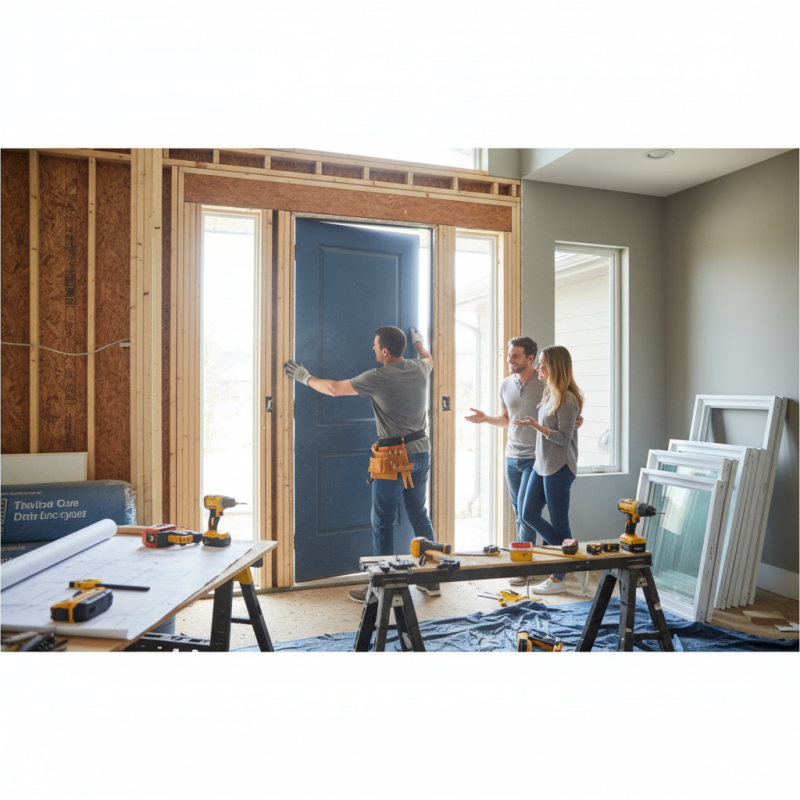
When considering cost-efficient door installation, it is essential to understand the various types of doors available, as each comes with unique benefits and price points. First, interior doors, typically made of hollow core or solid wood, are crucial for maintaining privacy and enhancing room aesthetics. Hollow core doors are lighter and more affordable, making them an excellent choice for budget-conscious homeowners. On the other hand, solid wood doors offer durability and better sound insulation, appealing to those willing to invest a bit more for longevity and quality.
Exterior doors present another important category, often designed with energy efficiency and security in mind. Steel doors, for instance, are not only affordable but also provide excellent protection against intrusions while being resistant to weather elements. Fiberglass doors are another economical option, mimicking the look of wood while offering superior insulation and low maintenance costs. Understanding the pros and cons of these door types allows homeowners to make informed decisions, ensuring their installation fits both their budget and functional needs. With the right choice, an affordable installation can enhance the home's overall appearance and efficiency without breaking the bank.
Key Factors Influencing Door Installation Costs
When considering door installation, understanding the key factors that influence costs is essential for homeowners seeking affordability without compromising quality. According to a recent report by the Remodeling Magazine, the national average cost for door installation ranges from $400 to $1,500, varying significantly based on several components. Materials, labor, and the complexity of the installation process play crucial roles in determining the final price. For instance, solid wood doors tend to be more expensive, while fiberglass and steel options are often more budget-friendly, typically starting at around $200.
Another significant factor is the labor cost, which can constitute nearly 50% of the total installation expense. The Home Advisors' 2023 report highlights that professional installation labor can range from $50 to $70 per hour, with additional costs for any necessary structural modifications. Moreover, geographical location influences labor rates, with urban areas generally seeing higher costs than rural regions. Homeowners should also be aware of potential additional expenses related to permits or custom framing, which can further increase the overall investment. By closely examining these factors, homeowners can make informed decisions and achieve an affordable door installation that meets their needs.
Step-by-Step Guide to Measuring for Your New Door
When preparing for a door installation, accurate measurements are crucial to ensuring your new door fits perfectly. Start by measuring the height of the existing door frame from top to bottom. Make sure to take this measurement at three different points: the left, center, and right sides. This will help you identify any inconsistencies in the frame that might require adjustment. It’s essential to measure twice to prevent costly errors before purchasing your new door.
Next, measure the width of the door frame in the same three locations—top, middle, and bottom. Record the smallest measurement to ensure that your new door will fit snugly within the frame. Additionally, check the depth of the door jamb to confirm the door thickness you will need. Keep in mind that standard door sizes may vary, so being precise with your measurements guarantees a seamless installation process.
Tips: Consider using a laser level for more accuracy when taking your measurements. This tool can help you easily identify any misalignments in the frame. Also, remember to account for any additional space required for door hardware, such as hinges and handles, which could impact the overall fit and function of your door. Taking these steps will help you achieve a professional-looking installation while staying within budget.
Tips for Choosing Affordable Materials Without Sacrificing Quality
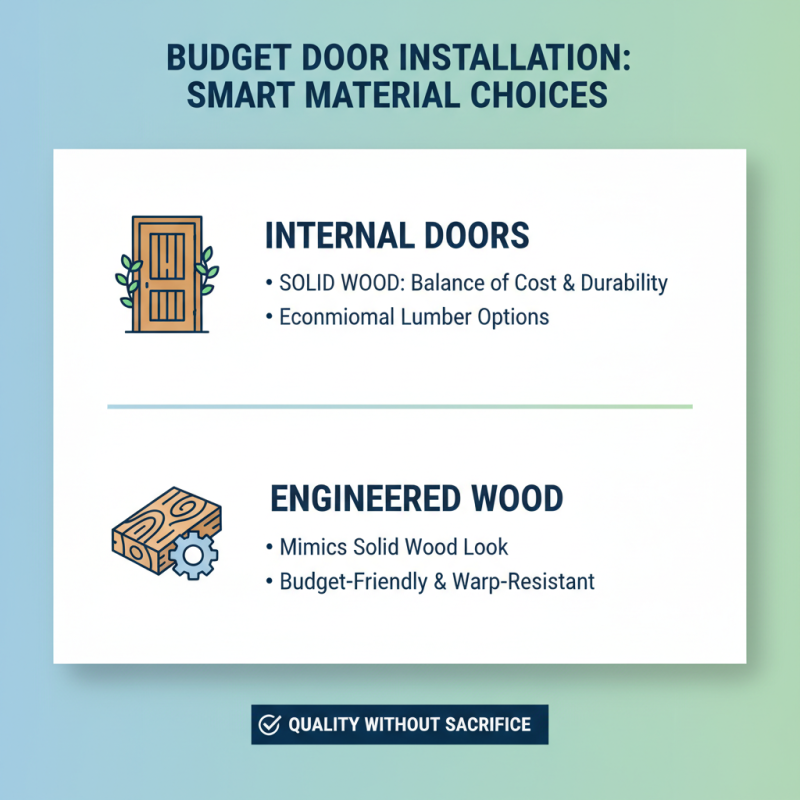
When it comes to door installation on a budget, choosing affordable materials without sacrificing quality is crucial. One of the most effective approaches is to prioritize solid wood for internal doors, as it provides an excellent balance between cost and durability. While solid wood can be pricier than composite options, many suppliers offer more economical lumber choices that maintain the desired aesthetic appeal. Additionally, consider engineered wood products that mimic the look of solid wood while being more budget-friendly and resistant to warping.
Another tip is to explore alternative materials such as fiberglass and steel. These options are often more affordable than traditional wooden doors and can provide superior energy efficiency and security. Look for designs that have low-maintenance finishes or pre-painted surfaces, which can save both time and money on installation. Furthermore, purchasing doors during sales or clearance events can result in significant savings, making high-quality materials accessible without exceeding your budget. Always keep in mind that investing in durable materials now can prevent costly replacements in the future, making it a wise financial decision in the long run.
DIY vs. Professional Installation: Making the Right Choice
When considering door installation, one crucial decision homeowners face is whether to take on the task themselves or hire a professional.
DIY installation can be a tempting option, especially for those looking to save on labor costs and enjoy the satisfaction of completing a project independently.
However, it’s important to evaluate your own skill level and experience.
If you have a basic understanding of tools and home improvement, a straightforward door installation might be manageable.
Online tutorials and resource guides can provide valuable insights, making the DIY approach more accessible.
On the other hand, professional installation brings expertise and efficiency to the table.
Experienced contractors are well-versed in the nuances of door installation, ensuring proper alignment and functionality while adhering to local building codes.
They can also handle unexpected issues that might arise during the process, such as structural complications or the need for custom fittings.
For those who prefer a hassle-free experience or have limited time, hiring a professional may be the smarter choice.
Ultimately, the decision between DIY and professional installation should be guided by an assessment of personal skills, project complexity, and time constraints.



 Questions? Give Us A Call!