Top 10 Tips for Successful Door Installation You Need to Know
When it comes to home improvement, few projects can make as dramatic a difference as a proper door installation. Whether you’re replacing an old door or installing a brand new one, the success of the project can significantly enhance your home's aesthetic appeal and energy efficiency. However, the door installation process can be daunting for many homeowners who may lack the necessary skills or knowledge.
In this guide, we will explore the top ten essential tips that will help ensure your door installation goes smoothly and effectively. From selecting the right materials to mastering the installation techniques, these invaluable insights will not only save you time but also help you avoid costly mistakes. By understanding and following these guidelines, you can achieve a professional-looking finish that will stand the test of time and add value to your property. Let’s dive into the key considerations that will make your door installation a successful endeavor.
Top 10 Tips for Successful Door Installation You Need to Know
When it comes to door installation, attention to detail is paramount for achieving optimal results. One essential tip is to ensure that you select the right type of door for your specific needs, as various materials and designs can greatly impact functionality and aesthetics. According to a report by the National Association of Home Builders, doors made of solid wood offer superior insulation and security, while fiberglass doors are known for their durability and low maintenance. Understanding these characteristics can guide homeowners in making informed decisions that enhance both their property’s value and energy efficiency.
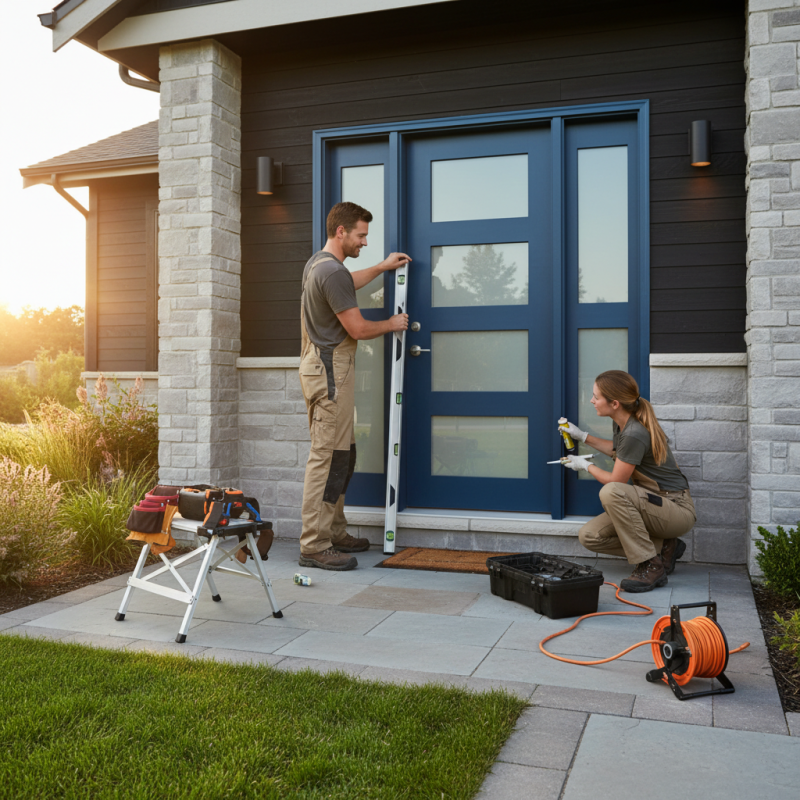
Another critical aspect of a successful door installation is proper measurement and alignment. Research indicates that nearly 30% of installation failures stem from inaccuracies in sizing, which can lead to gaps that compromise security and energy efficiency. To avoid this common pitfall, it is advisable to use a level and a measuring tape to ensure precision before securing the door frame. Additionally, employing shims during installation can help achieve a perfect fit and prevent future operational issues. By focusing on these foundational aspects, homeowners can significantly reduce the likelihood of costly repairs and enhance the longevity of their doors.
Understanding Door Types: Selecting the Right Fit for Your Space
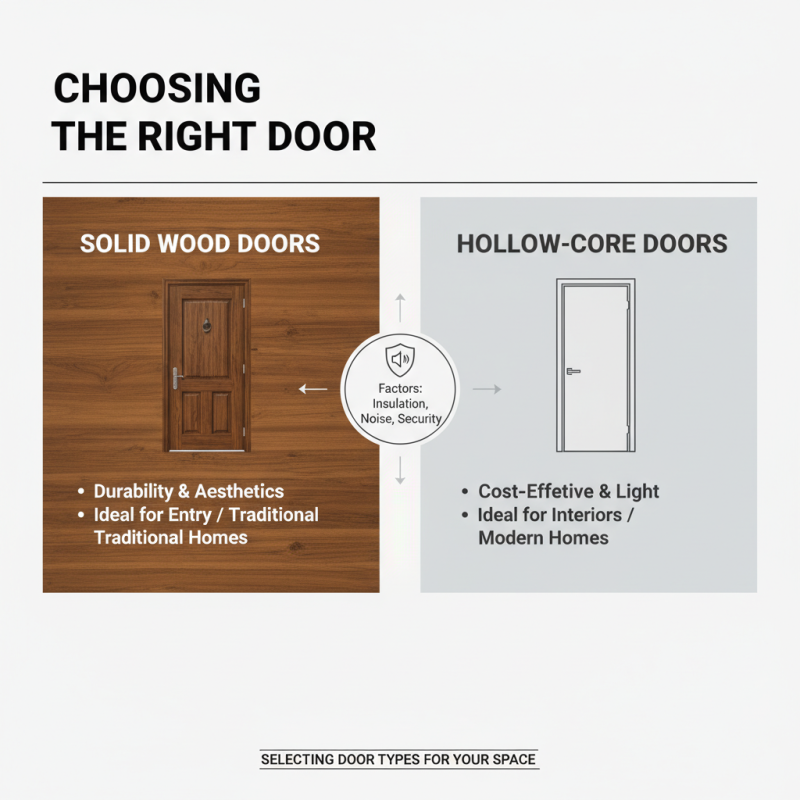
When selecting the right door for your space, understanding the variety of door types available is essential. For instance, solid wood doors are known for their durability and aesthetic appeal, making them ideal for entry points in traditional-style homes. Conversely, hollow-core doors can offer a cost-effective solution for interior spaces, balancing functionality with modern design. Each type serves its unique purpose, considering factors such as insulation, noise reduction, and security.
Additionally, the style of the door should complement the overall design of your space. Sliding doors, for example, can save space while providing a contemporary look, perfect for apartments or smaller homes. French doors can enhance natural light and create an airy feel, ideal for connecting indoor and outdoor areas. Assessing the function of the door—whether it needs to be soundproof, fire-rated, or simply decorative—will also guide your decision-making process. Choosing the right door not only enhances the aesthetic of your environment but also contributes to the functionality and comfort of your living space.
Measuring Door Frames Accurately: The Key to a Seamless Installation
When it comes to door installation, one of the most crucial steps is measuring door frames accurately. Ensuring precise measurements not only helps achieve a perfect fit but also prevents a host of issues that may arise from miscalculations.
Begin by measuring the width and height of the existing frame from multiple points, allowing for any potential irregularities. It’s essential to measure at the top, middle, and bottom of the frame to determine its true dimensions because even slight discrepancies can affect how the new door fits.
In addition to height and width, consider the depth of the frame as well. This factor influences the type of door you can install and whether additional modifications are needed. When measuring, use a reliable level to ensure the frame is perfectly plumb. Also, take note of any obstructions, such as molding or trim, which can hinder the installation process if overlooked. Overall, careful and thorough measurements set the foundation for a seamless door installation, helping to create an aesthetically pleasing and functional entryway.
Essential Tools and Materials for Professional-Quality Door Installation
When embarking on a door installation project, having the right tools and materials is crucial for achieving professional-quality results. First and foremost, a reliable tape measure is essential for taking precise measurements of the door frame and the door itself. A level will ensure that the door hangs straight, preventing issues with functionality and appearance. Additionally, a square is vital for checking the corners of the frame, ensuring everything aligns correctly.
In terms of materials, start with a quality door that suits your style and functional needs. You will also need hinges, door knobs or handles, and a strike plate, all of which should complement the door while providing durability. A good foam or rubber seal will be necessary for enhancing energy efficiency and preventing drafts. Lastly, don't forget about the fasteners—screws or nails, depending on the frame material—these are essential for securely attaching the door and hardware. By gathering the right tools and materials, you can set the stage for a successful and rewarding door installation process.
Top 10 Essential Tools for Professional-Quality Door Installation
Common Mistakes to Avoid During Door Installation: Insights from Experts
When installing a door, common mistakes can significantly affect both functionality and aesthetics. According to a report by the National Association of Home Builders, improper door installation accounts for nearly 30% of service calls related to door malfunctions. One prevalent error is failing to properly measure the door frame before installation. Inaccurate measurements can lead to gaps that invite drafts and pests, undermining energy efficiency and security. It is crucial to use precise tools and take multiple measurements to ensure that the door fits perfectly within the frame.
Another frequent oversight involves neglecting to check for level and plumb conditions. Installing a door that is not level can result in doors that stick, do not latch properly, or exhibit uneven wear over time. Experts recommend using a level during installation to confirm that both the door and the frame are aligned correctly. Furthermore, overlooking the importance of allowing the door to acclimate to the environment before installation can lead to wood expansion or contraction, affecting the door's performance. Reports indicate that nearly 15% of door installation issues stem from inadequate acclimatization. Therefore, addressing these common pitfalls is vital for a successful and durable door installation.
Top 10 Tips for Successful Door Installation You Need to Know
| Tip No. |
Tip |
Common Mistake |
Expert Insight |
| 1 |
Measure Twice, Cut Once |
Incorrect measurements leading to ill-fitting doors |
Always double-check dimensions before cutting materials. |
| 2 |
Choose the Right Tools |
Using improper tools for installation |
Ensure you have all necessary tools including a level, drill, and saw. |
| 3 |
Check the Frame Condition |
Installing in a damaged frame |
Inspect the door frame for rot or damage before proceeding. |
| 4 |
Maintain Alignment |
Poor alignment causing operational issues |
Utilize shims to ensure the door is level and plumb. |
| 5 |
Weatherproofing |
Neglecting to seal around the door |
Apply weatherstripping to improve insulation and prevent drafts. |
| 6 |
Use Quality Hinges |
Installing weak or mismatched hinges |
Invest in quality hinges that can support the door weight. |
| 7 |
Secure the Door Properly |
Inadequate securing leading to problems |
Follow manufacturer instructions for proper installation. |
| 8 |
Test Before Finalizing |
Not testing door functionality |
Open and close the door several times to check for issues. |
| 9 |
Finishing Touches |
Forgetting to paint or stain |
Apply finishing materials to enhance durability and appearance. |
| 10 |
Follow Up Maintenance |
Ignoring post-installation care |
Regularly check and maintain door hardware for optimal function. |
Conclusion
Successfully executing a door installation requires careful planning and execution. First, understanding the different types of doors available can help you select the best fit for your space, ensuring functionality and aesthetic appeal. Measuring door frames accurately is crucial; precise measurements lead to a seamless installation, minimizing gaps or misalignment.
Equipping yourself with essential tools and materials will enhance the quality of your work, allowing for a more professional finish. It's also beneficial to learn about common mistakes to avoid, drawing insights from experts to sidestep pitfalls that might compromise the installation. Finally, once the door installation is complete, making final adjustments and implementing maintenance tips will ensure longevity and optimal performance of your doors.



 Questions? Give Us A Call!