2025 Top Trends for Commercial Glass Doors You Need to Know
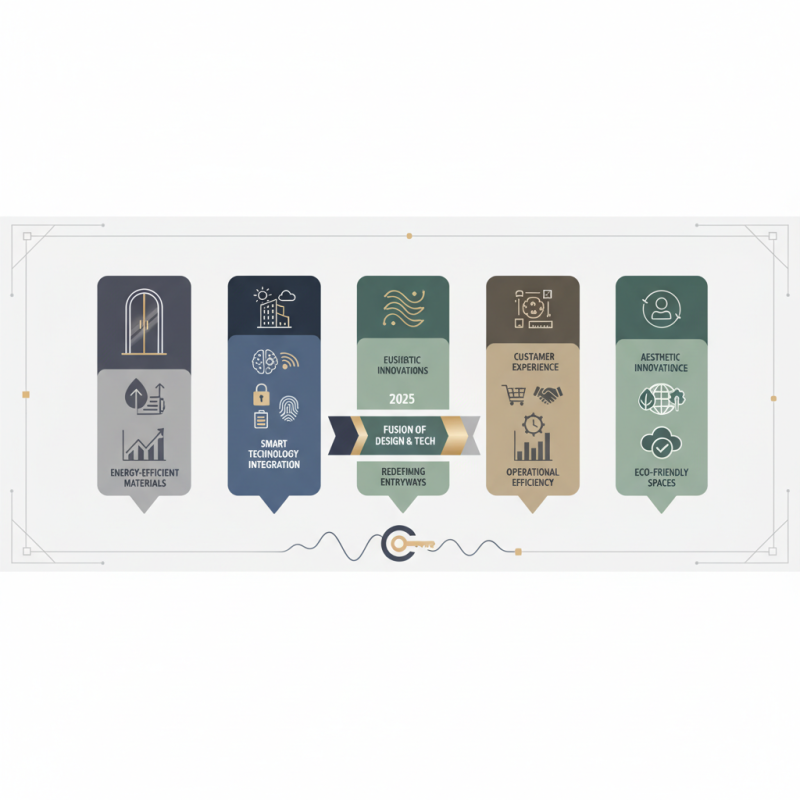
The landscape of commercial glass doors is rapidly evolving, with new trends shaping the way businesses think about aesthetics, functionality, and sustainability. Industry expert Mark Thompson, a renowned architect and designer specializing in commercial spaces, emphasizes the significance of this transformation: "In 2025, we will witness a fusion of sleek design and advanced technology in commercial glass doors, redefining the entryways to our businesses."
As we look ahead, it is crucial for business owners, architects, and designers to stay informed about these trends to enhance customer experience and operational efficiency. Innovations in energy-efficient materials, smart technology integration, and aesthetic trends are not just enhancements; they represent a shift towards creating spaces that are both inviting and eco-friendly. Understanding these changes will help stakeholders make informed decisions that align with contemporary consumer expectations and environmental standards.
Navigating the top trends in commercial glass doors will be essential for those aiming to maintain a competitive edge. This introduction sets the stage for examining the key developments that will define the industry in the coming years, ultimately reshaping how we envision commercial entrances and their role in our built environment.
Emerging Technologies in Commercial Glass Door Design for 2025
The commercial glass door industry is experiencing a significant transformation as we approach 2025, driven by emerging technologies that emphasize efficiency, aesthetics, and sustainability. One of the most notable trends is the integration of smart technology, which allows for automated access control and enhanced security features. These intelligent systems can adapt to user patterns, providing seamless entry while ensuring safety and managing foot traffic effectively. Additionally, the incorporation of IoT (Internet of Things) connectivity enables building managers to monitor door performance and maintenance needs in real time, leading to improved operational efficiency.
Another exciting development is the advancement in glass manufacturing processes, including energy-efficient glazing solutions that contribute to better insulation and reduced energy costs. These high-performance materials are designed to withstand various environmental conditions while providing a sleek, modern look that appeals to contemporary commercial spaces. Furthermore, innovative designs such as frameless doors and larger glass panels are gaining popularity, allowing for more natural light and creating an open, inviting atmosphere in retail and office environments.
As we move into 2025, these technologies and design trends will likely redefine the way commercial spaces utilize glass doors, making them more functional and visually appealing.
Sustainability Trends Impacting Commercial Glass Doors in 2025
Sustainability is set to play a pivotal role in shaping the commercial glass door industry by 2025. With the global emphasis on carbon neutrality and reduced environmental impact, manufacturers are increasingly focusing on using eco-friendly materials and energy-efficient designs. According to a report from the U.S. Green Building Council, buildings can account for nearly 40% of total energy consumption in the United States, prompting a shift towards sustainable options that significantly reduce energy usage.
Commercial glass doors that incorporate low-emissivity (low-E) glass are expected to become more prevalent, as they effectively minimize heat transfer, thus enhancing a building’s overall energy efficiency.
In addition to material selection, the integration of smart technologies into commercial glass doors will further align the industry with sustainability goals. Reports indicate that smart glass technologies, such as electrochromic and thermochromic films, allow buildings to adapt their thermal properties in response to environmental changes, optimizing energy consumption. A study by the Global Smart Glass Market suggests that the smart glass sector could grow at a CAGR of over 10% from 2022 to 2027, reflecting the rising demand for innovative solutions that support environmental stewardship.
The combination of advanced materials and smart technologies positions commercial glass doors not just as entry points, but as essential components in the quest for sustainable architectural practices.
Innovative Security Features for Commercial Glass Doors by 2025
As commercial spaces evolve, so do the security needs associated with glass doors. By 2025, innovative security features are expected to become essential components of commercial glass door design. Heightened security threats necessitate the integration of advanced technologies, such as smart locks and biometric access controls, which enhance both safety and convenience for businesses. These systems can be tailored to specific operational requirements, ensuring that access is granted only to authorized personnel while maintaining aesthetic appeal.
Moreover, the use of shatter-resistant glass and reinforced frame designs will significantly bolster the physical security of commercial glass doors. These materials not only deter break-ins but also offer increased durability against various threats. Additionally, integrated security cameras and alarm systems linked to centralized monitoring services will provide real-time surveillance capabilities, allowing businesses to respond swiftly to any security breaches. With these innovative features, commercial glass doors will not only serve as entry points but also as robust barriers that protect valuable assets and enhance the overall safety of the environment.
Aesthetic Trends Shaping the Future of Commercial Glass Doors
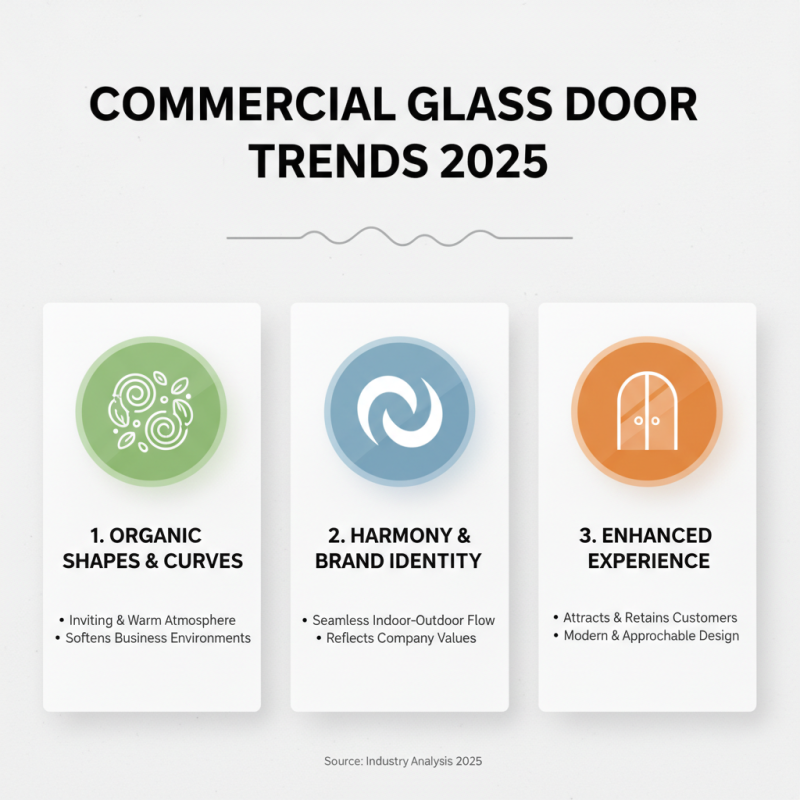
As we venture into 2025, the aesthetic trends in commercial glass doors are poised to redefine the visual landscape of business environments. One significant trend is the incorporation of organic shapes and soft curves, creating a more inviting atmosphere. These designs not only enhance the aesthetics but also foster a sense of warmth and approachability, essential for attracting and retaining customers. Businesses are increasingly opting for doors that harmonize with their interior and exterior spaces, reflecting their brand identity while providing a seamless flow between indoor and outdoor experiences.
Another noteworthy trend is the use of innovative glass treatments and finishes. Textured glass options have emerged, offering a fresh alternative to traditional clear glass. These finishes can provide privacy while still allowing light to penetrate, giving spaces an airy and open feel. Additionally, color-infused glass and smart glass technology are gaining traction, allowing for more dynamic visual statements and enhanced energy efficiency. As commercial spaces continue to evolve, these aesthetic trends in glass doors will play a crucial role in creating visually striking environments that meet the needs of modern consumers.
Customization Options for Enhanced Functionality in Commercial Glass Doors
In the evolving landscape of commercial architecture, customization options for glass doors are becoming increasingly crucial for enhancing functionality and aesthetic appeal. Businesses now recognize that investing in tailored solutions can significantly improve customer experience and operational efficiency. Custom features can include automatic opening mechanisms, integrated access control systems, and multi-point locking for added security, all designed to meet specific requirements while providing a sleek appearance.
When considering customization, it's important to evaluate the specific needs of your space. Think about factors like foot traffic and accessibility. Customized glass doors can include features such as tinted or frosted glass for privacy, or even integrating signage directly into the glass design. This can create a seamless look that enhances branding while serving practical purposes.
**Tips:** When selecting customization options, ensure that you always prioritize functionality alongside aesthetics. Engage professionals to assess your space and suggest features that could enhance convenience, like anti-pinch technology or energy-efficient designs. Moreover, consider maintenance needs – choosing low-maintenance materials can save time and costs in the long run. Investing in these customized options will not only improve the door's performance but also elevate the overall ambiance of your commercial space.
2025 Top Trends for Commercial Glass Doors

 Questions? Give Us A Call!