Top Trends in China Interior Doors for Global Buyers?
As the demand for interior doors continues to grow, China's market has become a focal point for global buyers. The diversity of designs, materials, and technology offers unique solutions for various needs. From traditional wooden doors to modern glass designs, each style speaks to different consumer preferences.
Buyers must navigate trends that reflect cultural values and practical needs. The rise in eco-friendly materials highlights a shift toward sustainability. Manufacturers are also incorporating smart technology into their designs, catering to the modern homeowner's desire for convenience. However, the vast options can be overwhelming.
Sellers should consider local tastes and preferences when sourcing interior doors. The challenge remains to find balance between style and functionality. As trends evolve, staying aware of these shifts ensures informed purchasing decisions. Ultimately, understanding the dynamics of China's interior door market can lead to successful investments.
Emerging Designs in China Interior Doors for 2023
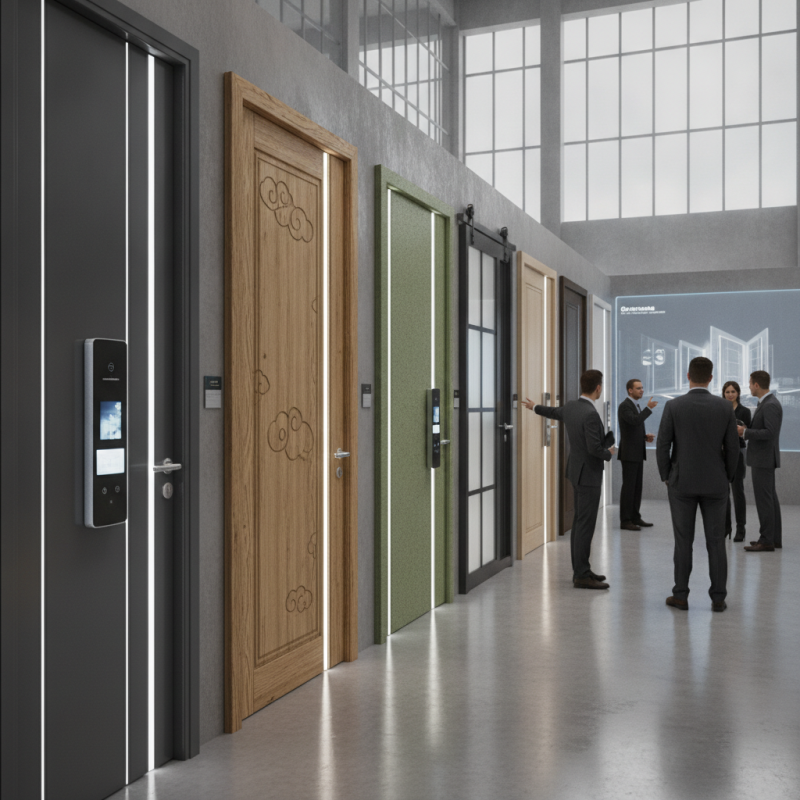
Emerging designs in China’s interior doors for 2023 showcase a blend of tradition and innovation. Many manufacturers are embracing natural materials like wood, bamboo, and eco-friendly composites. These materials not only enhance aesthetics but also promote sustainability. Natural textures are increasingly popular, creating warm atmospheres in homes and offices.
Minimalistic designs are gaining traction as well. Clean lines and simplicity define the new trends. The use of neutral colors helps to create a harmonious environment. However, some designs might feel too sterile or lifeless. Finding the right balance between minimalism and warmth is crucial for a comfortable space.
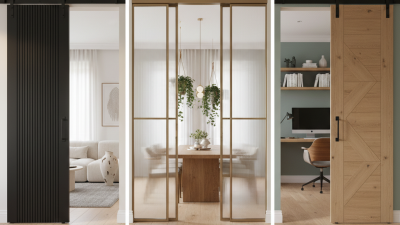
Sliding doors are also on the rise. They save space while providing unique visual appeal. Many designs incorporate glass elements, allowing light to flow freely. Yet, maintaining privacy can be a concern with such transparent choices. It’s essential to weigh functionality against aesthetics when selecting interior doors. Overall, the evolving landscape of door designs reflects a significant cultural shift in contemporary living.
Top Trends in China Interior Doors for Global Buyers - Emerging Designs in China Interior Doors for 2023
| Design Trend |
Materials Used |
Color Palette |
Market Demand |
Estimated Price Range (USD) |
| Minimalist |
Solid wood, MDF |
Neutral tones |
High |
150 - 400 |
| Industrial Style |
Metal, glass |
Dark/earthy tones |
Moderate |
200 - 500 |
| Eco-Friendly |
Recycled materials, bamboo |
Natural hues |
Increasing |
180 - 450 |
| Smart Doors |
Composite materials |
Sleek finishes |
High |
300 - 800 |
| Art Deco |
Wood, glass |
Bold colors |
Niche |
250 - 600 |
Sustainable Materials: Eco-Friendly Choices in Door Production
Sustainable materials are reshaping the production of interior doors in China. Eco-friendly options increase in demand as global buyers seek greener solutions. Many manufacturers are adopting bamboo, reclaimed wood, and recycled materials. These choices help reduce waste and lower carbon footprints.
While sustainable materials show promise, challenges remain. Not all products maintain high quality or durability. Some eco-friendly doors may warp or lose their appeal over time. Buyers must carefully assess the balance between sustainability and reliability. It's important to consider long-term performance over initial aesthetics.
Interest in sustainable options is rising. However, the industry needs standardized testing for eco-friendly materials. Transparency is critical to ensure that claims are credible. This creates trust in the products consumers choose for their homes. The journey toward a greener future in door production is ongoing and requires continuous improvement.
Innovative Technology in Manufacturing Interior Doors
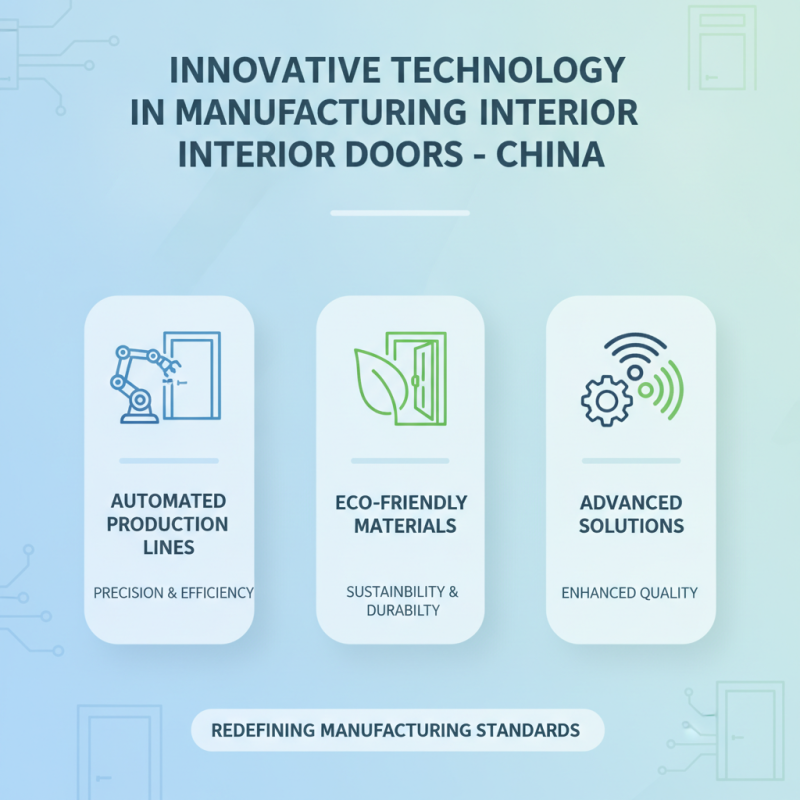
In the realm of interior doors, innovative technology is redefining manufacturing standards in China. Traditional methods are being replaced with advanced solutions, enhancing both efficiency and quality. Automated production lines now ensure precision, while eco-friendly materials are increasingly being utilized. This shift not only makes doors more durable but also more sustainable.
Tips: When sourcing interior doors, consider the manufacturing techniques. Look for factories that embrace automation and green practices. This not only benefits the environment but also may improve the quality of the product.
Design plays a pivotal role in buyer choices as well. Customization is on the rise, fueled by digital tools that streamline the design process. Virtual modeling allows buyers to visualize their selections before purchase. However, rapid advancements can sometimes overlook traditional aesthetics, which are still valued by many consumers.
Tips: Always verify the design software used by manufacturers. It reflects their capability to meet unique demands. Ask for samples to ensure the final product aligns with your vision.
Color and Finish Trends Shaping the Chinese Door Market
The Chinese interior door market is undergoing a vibrant transformation, with color and finish trends leading the way. Warm tones, such as deep mahogany and rich walnut, are increasingly popular. These hues add a touch of luxury to homes, resonating with buyers who seek both elegance and comfort. The trend leans towards natural finishes that highlight the wood grain, creating a welcoming atmosphere.
Tips: Consider how colors influence mood. Lighter shades can make a space feel larger. Darker finishes can provide a cozy vibe.
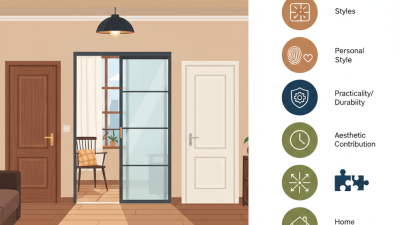
Customization plays a crucial role in this evolving landscape. Buyers seek unique designs that reflect their personal style. Many options, from minimalistic Scandinavian to bold industrial aesthetics, cater to diverse preferences. Some consumers desire complex textures, blending traditional craftsmanship with modern sensibilities. This balance can sometimes be tricky, as overly intricate designs might clash with simplicity in decor.
Tips: Evaluate your space before committing to a door style. Simplicity can often enhance a room's appeal. Avoid overcrowding with too many decorative elements.
Market Insights: Consumer Preferences in China for Interior Doors
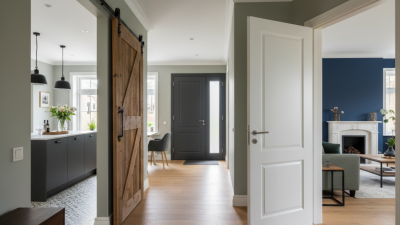
When it comes to consumer preferences in China for interior doors, several trends stand out. A significant aspect is the desire for modern designs that harmonize with various interior aesthetics. Minimalism remains popular, emphasizing clean lines and simple styles. Buyers gravitate towards materials that combine durability and elegance, often opting for wood or wood-like finishes.
Sustainability is becoming increasingly important among Chinese consumers. Many seek eco-friendly options that respect the environment. This has led to a rise in demand for doors made from recycled materials. Additionally, smart home technology integration is gaining traction. Features such as automated locking systems and sound insulation appeal to modern buyers. However, some consumers still express concerns over the reliability of smart systems.
Color trends are shifting as well. Neutral tones dominate, but bold colors are making their way into some homes. These choices reflect personal taste and cultural influences. It’s interesting to see how regional differences affect preferences. Some cities lean towards traditional aesthetics while others embrace contemporary styles. This diverse landscape creates challenges for manufacturers aiming to meet varied consumer needs.


 Questions? Give Us A Call!