What are Wood Interior Doors and How to Choose Them?

When enhancing a home’s interior, wood interior doors are a popular choice. They add warmth and character to any space. These doors come in various styles, finishes, and wood types. The right door can elevate your home’s aesthetic dramatically. However, choosing the perfect wood interior door can be challenging.

Understanding your needs is crucial. Consider the size of the room and the overall design. Different wood types offer unique appearances. Some are more durable than others. Ash, oak, and maple are common choices. Each has its distinct grain and color, which can influence the room's ambiance.

It’s also essential to think about functionality. Are you looking for privacy or simply style? Some doors come with soundproofing features, while others focus on aesthetics. Balancing practicality and visual appeal is not always easy. Take your time to explore various options before making a decision. Each wood interior door has the potential to tell a story, but not every choice will resonate with your vision.
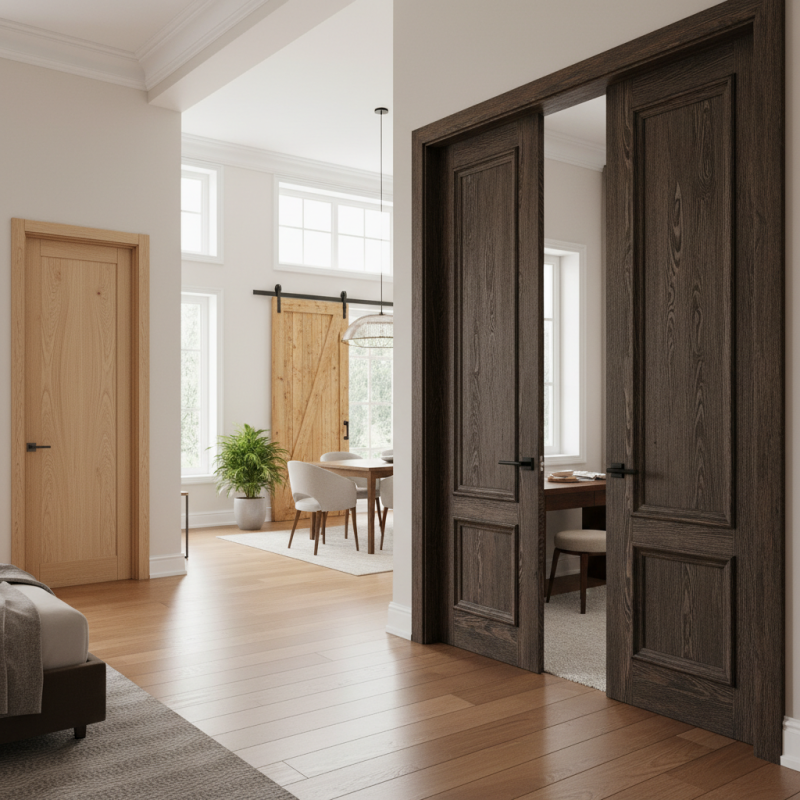
What are Wood Interior Doors and How to Choose Them?

Definition and Characteristics of Wood Interior Doors

What are Wood Interior Doors and How to Choose Them?

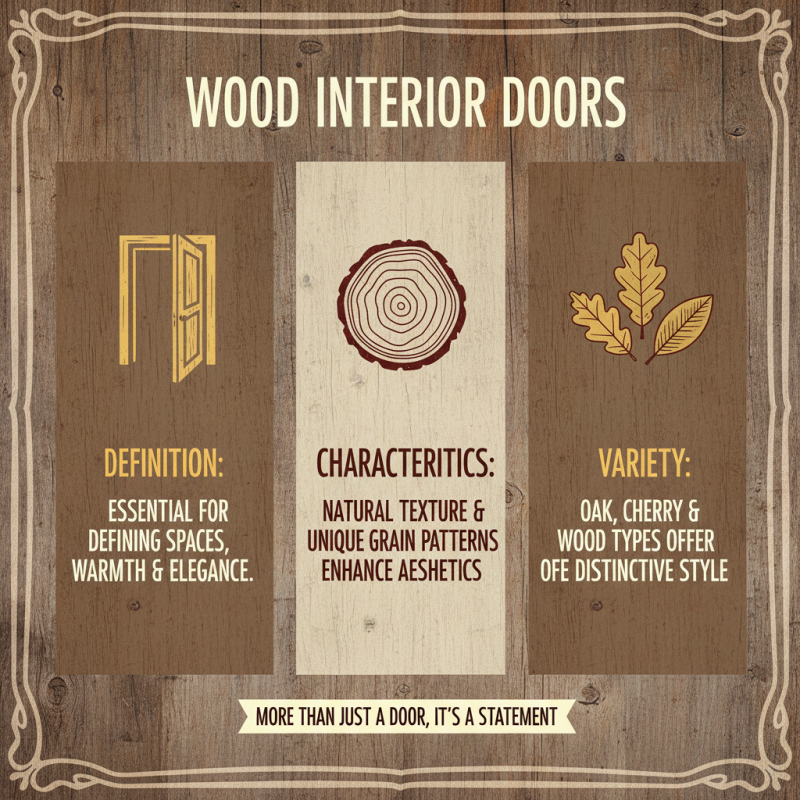
Wood interior doors are essential for defining spaces within a home. They offer warmth and elegance not found in other materials. The texture of wood can enhance the aesthetic of any room. Various wood types, like oak or cherry, provide different character and style. The grain patterns are also unique, adding interest to the door.

Choosing the right wood door involves considering several characteristics. The thickness is crucial; thicker doors often provide better insulation and soundproofing. Pay attention to the finish as well. A good finish protects against moisture and scratches. The style of the door can range from traditional to modern, depending on personal preference. Each choice can dramatically alter the look of your interior.

While wood doors have many advantages, they can require maintenance. Wood may warp or crack over time, especially in humid environments. Regular checks are necessary to prevent issues. The cost can also be a factor; solid wood doors are generally pricier than hollow core options. Reflecting on these aspects will help in making the right choice.

Types of Wood Used in Interior Doors and Their Benefits

What are Wood Interior Doors and How to Choose Them?

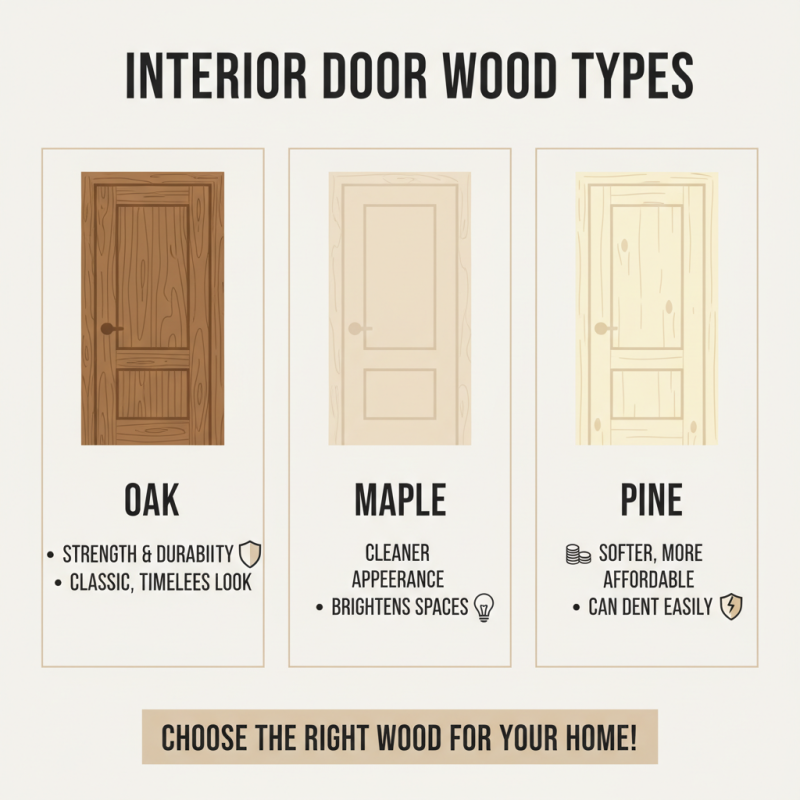
When considering wood interior doors, the type of wood plays a crucial role. Popular choices include oak, maple, and pine. Oak is known for its strength and durability. It's great for creating a classic, timeless look. Maple, on the other hand, offers a cleaner appearance. Its light color can brighten up any space. Pine is softer and often more affordable. However, it can dent easily.

Each wood type has unique benefits. Oak resists wear and tear, making it ideal for busy households. But it can be heavy and expensive. Maple's non-porous surface prevents stains, which is a plus. Yet, it may not suit rustic designs. Pine's light weight allows for easy installation. Still, its softness makes it less suited for high-traffic areas.

Choosing the right wood is a balance. Think about your personal style and the door’s function. Consider how the wood will age over time. Will it match your home's decor in the years to come? Be mindful of the imperfections and how they can add character. Each type of wood tells a story. Each choice is not without its challenges, but that’s part of the journey.

Factors to Consider When Choosing Wood Interior Doors

When choosing wood interior doors, several factors deserve your attention. The type of wood is crucial. Oak, maple, and cherry offer durability and timeless appeal. Each wood type has unique grains and finishes, influencing your home’s aesthetic. According to industry reports, over 70% of homeowners prefer solid wood doors for their longevity.

Understanding the door style is also vital. Traditional, modern, or rustic options can significantly alter your space’s ambiance. Be mindful of the door size as well. Common dimensions exist, but custom sizes are available. Measurements should be precise to ensure proper fit.

Tip: Consider the door’s energy efficiency. Wood doors with proper insulation can help reduce energy costs by about 20%. Also, think about the finish. A well-applied finish not only enhances beauty but also protects the door.

A less considered factor is maintenance. Wood doors require regular upkeep. Without care, they can warp or lose their finish. Think about your lifestyle when making choices. If you have pets or children, opt for sturdy designs. That's a pragmatic approach. Balancing aesthetics with functionality is essential.

Style and Design Options for Wood Interior Doors

Wood interior doors can transform a space. They enhance aesthetics and create a warm atmosphere. Choosing the right style and design is crucial. Classic panel doors add a sense of tradition. Their geometric designs can fit various decors.

Consider the finish of the wood. Natural stains bring out the grain. Painted doors can provide a modern twist. They might clash with some styles, though. Maintaining harmony is key.

Don't forget about texture. A smooth finish feels sleek and modern. Distressed wood can evoke a rustic charm. Reflect on what vibe you want. Customization options abound, but be mindful. Think about how each choice will impact the overall look. Make sure the door matches your home’s personality.

What are Wood Interior Doors and How to Choose Them? - Style and Design Options for Wood Interior Doors

Door Type Material Style Options Price Range Durability
Hollow Core Plywood, MDF Classic, Contemporary $50 - $150 Moderate
Solid Core Wood Veneer, MDF Traditional, Modern $150 - $300 High
Solid Oak Oak Wood Rustic, Craftsman $300 - $600 Very High
Paneled Door Various Woods Colonial, Contemporary $200 - $500 High
French Door Wood, Glass Elegant, Open Design $400 - $800 High

Maintenance and Care Tips for Wood Interior Doors

Wood interior doors can add warmth and elegance to any space. However, maintaining their beauty requires effort. Regular care is essential. Dusting the surface weekly helps prevent dirt buildup. Cleaning with a damp cloth every month is effective. Make sure to use a gentle cleaner. Harsh chemicals can damage the wood finish.

Humidity can impact wood doors. According to a report by the Wood Products Council, ideal indoor humidity levels should range between 30% and 50%. Extreme humidity can cause warping or cracking. Applying a protective sealant every few years can enhance durability. Check the door for any signs of wear or scratches. Sanding and repainting can make a significant difference.

Consider the environment. Avoid placing wood doors near heat sources or direct sunlight. Over time, exposure can cause fading. Repair any dents quickly, as they can worsen if neglected. Routine maintenance prevents costly repairs. Monitoring conditions is key to preserving the quality of wood doors for years to come.

Wood Interior Doors Popularity by Material Type

This chart illustrates the popularity of different wood types used for interior doors. Oak leads the market with 35%, followed by maple at 25%, indicating a preference for durable and aesthetically pleasing materials.

Questions? Give Us A Call!