
Choosing a wood door in 2026 requires more than comparing color, grain, and price. Global buyers must examine climate, construction, hardware, certification, maintenance, and installation quality. A beautiful door can still fail in months if moisture enters its lower edge.
Architect and building-science expert Joseph Lstiburek often emphasizes a practical rule: “Water management is the key to durable building performance.” This principle applies directly to every wood door. Proper overhangs, sealed end grain, raised thresholds, and accurate drainage protect the door from swelling, warping, and decay. Small details matter.
This guide reviews the leading wood door types for international projects. It covers solid timber doors, engineered wood doors, veneer-faced designs, panel doors, flush doors, pivot doors, carved doors, and insulated exterior models. Each type offers different benefits. Solid oak feels substantial. Engineered wood often performs more consistently. Pivot doors create drama, but they demand stronger frames and carefully calculated hardware.
Regional conditions change the best choice. Tropical buyers may prioritize moisture resistance and ventilation. Cold-climate projects need stable cores and effective weather seals. Coastal buildings face salt, wind, and intense sunlight. Factory finishing helps, but it is not magic.
Some buyers still focus too heavily on appearance. That is a mistake. Yet performance data cannot replace human judgment. Wood varies naturally, and even an excellent product may need adjustment after installation. The right wood door balances beauty, stability, repairability, and long-term service. It should look distinctive, but also survive ordinary weather, daily use, and imperfect maintenance.
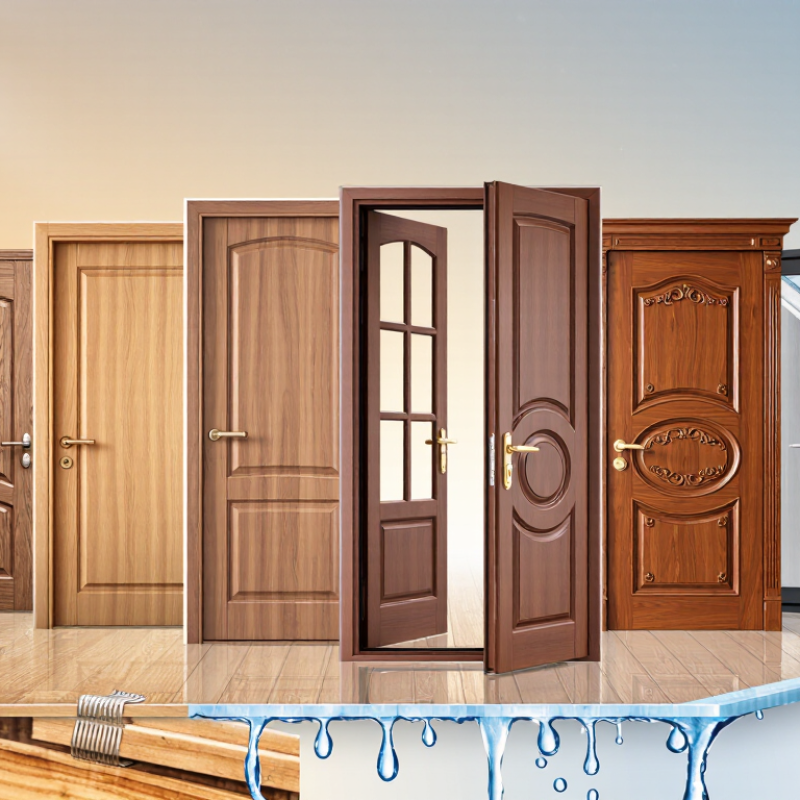
In 2026, a top wood door is judged by performance, not appearance alone. Global buyers examine timber stability, joinery, insulation, security, and repairability. Species selection matters because humidity can swell solid wood, while dry climates may cause shrinkage. Properly kiln-dried timber and carefully designed engineered cores can reduce movement. Details matter.
Construction quality reveals professional knowledge. Mortise-and-tenon joints, reinforced corners, and weather-resistant seals support long service life. A well-made door should close smoothly without forcing the frame. It should also limit drafts, outside noise, and heat transfer. For exterior use, buyers should request data on water resistance, wind performance, coating durability, and hardware compatibility. Local installation conditions still matter. Even an excellent door may fail when the frame is poorly aligned.
Responsible sourcing is another defining feature. Reliable suppliers should explain timber origin, moisture control, finishing systems, and quality inspections. Independent testing can strengthen confidence, but paperwork cannot replace practical checks. Look for straight edges, consistent gaps, solid hardware, and an even finish. A heavy door is not automatically a better door. That assumption needs reconsideration. Maintenance access also deserves attention, especially in coastal or tropical regions. Some premium finishes demand regular care, which buyers may underestimate. The best wood door balances beauty, measured performance, climate suitability, and honest long-term expectations.
A practical comparison of common wood door constructions, performance characteristics, and purchasing considerations
| Wood Door Type | Typical Construction | Common Thickness | Key Performance Strength | Recommended Applications | Climate Suitability | Maintenance Level | Main Buyer Consideration |
|---|---|---|---|---|---|---|---|
| Solid Hardwood Door | Stiles, rails, panels, or boards made primarily from natural hardwood. | 40–55 mm | Strong appearance, good impact resistance, natural acoustic mass, and long repairability. | Premium entrances, traditional residences, hotels, heritage-style projects, and luxury interiors. | Best in controlled or moderately humid climates when properly sealed on all surfaces. | Moisture movement, weight, timber grading, and finish quality. | |
| Engineered Wood Veneer Door | Stable core made from laminated wood products with a natural wood veneer surface. | 40–50 mm | Better dimensional stability than many solid-wood designs, with a genuine wood appearance. | Modern homes, apartments, offices, hospitality interiors, and multi-unit developments. | Suitable for varied climates when the core, edge sealing, and finish are specified correctly. | Core composition, veneer thickness, edge protection, and formaldehyde compliance. | |
| Solid-Core Flush Wood Door | Dense wood-based core covered with wood veneer, laminate, or another durable facing. | 35–50 mm | Good acoustic performance, impact resistance, and consistent production quality. | Bedrooms, offices, schools, healthcare facilities, hotels, and interior corridors. | Best for interior use; exterior use requires a weather-rated construction and suitable coating. | Core density, fire or acoustic rating, hardware reinforcement, and surface durability. | |
| Wood Panel Door | Framed construction with raised, flat, or recessed wood panels inside stiles and rails. | 40–55 mm | Classic visual appeal, replaceable components, and effective accommodation of natural wood movement. | Residential entrances, interior rooms, period renovations, and architectural projects. | Suitable for dry to moderately humid conditions with balanced finishing and adequate overhangs. | Panel movement, joint quality, finish maintenance, and installation tolerances. | |
| Wood-Laminated Door | Multiple wood layers bonded with alternating grain directions or laminated wood components. | 40–60 mm | Improved stability, reduced warping risk, and efficient use of wood resources. | Exterior residential doors, commercial buildings, apartment projects, and large-format doors. | Well suited to seasonal temperature changes when fully sealed and correctly installed. | Adhesive durability, layer quality, moisture resistance, and edge sealing. | |
| Wood-Aluminium Exterior Door | Interior wood face combined with an exterior aluminium protective layer and insulated core. | 68–92 mm | Strong weather protection, low exterior maintenance, thermal insulation, and modern design flexibility. | High-performance residential entrances, cold climates, coastal locations, and contemporary buildings. | Strong choice for wet, cold, sunny, or high-exposure environments when drainage is engineered correctly. | Thermal breaks, water drainage, air tightness, corrosion resistance, and installation quality. | |
| Wood Composite Exterior Door | Wood-based structural components combined with moisture-resistant composite skins or sections. | 44–68 mm | Good resistance to swelling, shrinking, impact, and changing weather conditions. | Exterior entrances, rental housing, high-traffic buildings, and projects requiring consistent sizing. | Suitable for humid and variable climates when tested for the intended exposure level. | Water absorption, skin adhesion, thermal performance, and repairability. | |
| Acoustic Wood Door | Solid or engineered wood leaf with dense cores, perimeter seals, drop seals, and compatible frames. | 45–70 mm | Designed to reduce airborne sound transmission; performance depends on the complete door assembly. | Bedrooms, meeting rooms, studios, hotels, offices, and healthcare environments. | Primarily for interior applications with stable temperature and humidity. | Tested sound reduction rating, seal continuity, frame design, and installation accuracy. | |
| Fire-Rated Wood Door | Engineered wood leaf with fire-resistant core, tested frame, seals, glazing, and approved hardware. | 44–60 mm | Provides a tested period of fire resistance as part of a complete certified doorset. | Hotels, apartments, offices, public buildings, schools, and protected escape routes. | For interior or protected locations according to the applicable local building code. | Certification, rating period, compatible hardware, intumescent seals, and local code approval. | |
| Reclaimed or FSC-Certified Wood Door | Made from recovered timber or responsibly sourced wood with documented chain-of-custody options. | 35–55 mm | Distinctive character, resource-efficiency benefits, and strong appeal for sustainable design projects. | Eco-focused residences, restaurants, hospitality projects, renovations, and low-impact developments. | Depends on timber condition, moisture content, treatment, and the selected installation environment. | Traceability, moisture content, treatment history, consistency, and documentation. |
Note: Dimensions and performance descriptions are typical industry ranges rather than universal specifications. Actual results depend on wood species, moisture content, core design, coating system, frame, hardware, installation, and the building code or test standard used in the destination market.

 Questions? Give Us A Call!