What Is the Best Type of House Door for Global Buyers?
Choosing the best type of house doors sounds simple, yet global buyers face different climates, budgets, and building traditions. A solid timber door may feel warm, elegant, and welcoming. In a humid coastal town, however, swelling and salt air can quickly expose weak finishing. Steel offers strength. But it may conduct heat and develop surface corrosion without proper protection. This practical contrast makes the question more complex than a product comparison.
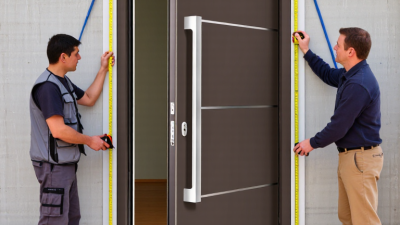
A reliable choice begins with evidence from the property, not attractive showroom photos. Measure the opening carefully, including wall depth, threshold height, and swing direction. Then assess wind exposure, rainfall, sunlight, noise, and daily traffic. Insulated fiberglass can suit homes needing low maintenance and steady indoor temperatures. Aluminum may resist corrosion, although its thermal performance depends on the frame design. Experienced installers also check hinges, seals, locks, drainage, and frame alignment. Small gaps around a frame can admit dust, water, and unwanted outdoor noise.
This guide compares common house doors through durability, security, insulation, maintenance, appearance, and long-term value. It considers entry doors, patio systems, wooden designs, steel units, fiberglass models, and aluminum options. No single material wins everywhere. That is easy to overlook. A premium door can still disappoint when its frame is poorly fitted or its finish mismatches local weather. Warranties, replacement parts, and after-sales support also deserve careful review. Some assumptions may need revision after a local inspection. Specifications should be verified with manufacturers and qualified professionals. The recommendations cannot predict every home perfectly, but they offer a practical starting point for informed global purchasing.
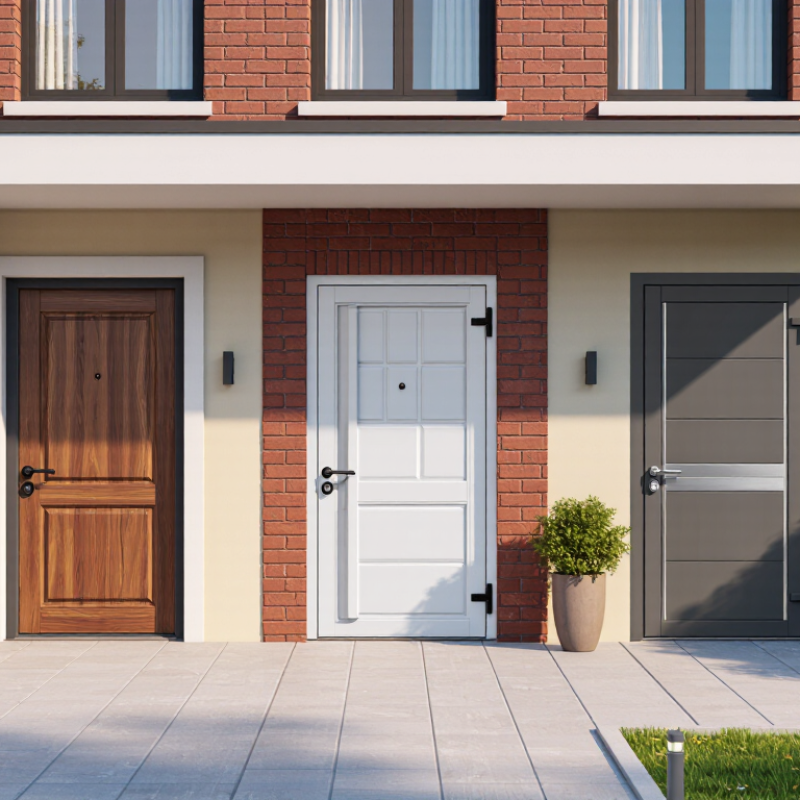
House Door Types and Their Core Differences
What Is the Best Type of House Door for Global Buyers?
House Door Types and Their Core Differences
Choosing a house door starts with climate, security needs, and local building requirements. In practice, no single material suits every country or property.
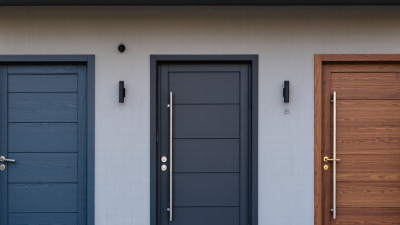
Solid wood doors offer natural texture, strong insulation, and easy repair. However, humidity can cause swelling, warping, or surface cracking.
Steel doors provide high impact resistance and stable performance. They may corrode near coastlines without proper protective finishes.
Fiberglass doors resist moisture and need less maintenance. Their surface can imitate wood, but repairs may be less straightforward.
Aluminum doors are lightweight and resist rust. They often suit modern homes, especially with large glass panels.
Small details matter.
Door construction creates major differences, too. A hollow-core door feels light but usually provides limited sound control and insulation. A solid-core model feels heavier and can reduce indoor noise. Multi-point locks may improve resistance when correctly installed, but the frame and hinges remain equally important. A secure door with a weak frame is an incomplete solution.
Glazing also deserves careful attention. Double glazing can improve comfort, while laminated glass may reduce shattering risks. Buyers should verify:
- fire ratings
- thermal values
- wind-load performance
- accessibility rules for their location
My early preference was always a heavy steel door. I later reconsidered it after seeing heat transfer and coastal maintenance problems.
Product specifications can look impressive, yet installation quality often decides real performance. Ask for test documents, warranty conditions, drainage details, and replacement hardware availability.
Local installers can also reveal problems that catalogs hide, especially with thresholds, seals, and seasonal movement.
How Climate and Location Influence Door Selection
For global buyers, the best house door depends on climate and location, not appearance alone. UNEP’s 2023 Global Status Report for Buildings and Construction reported that buildings used about 34% of global energy in 2022. This makes the door part of the building envelope. In hot climates, choose insulated doors with light-colored surfaces, tight weatherstripping, and limited unprotected glazing. The International Energy Agency estimates that cooling demand could more than triple by 2050 without efficiency improvements. Solar heat control matters.
Cold regions need low air leakage and strong thermal insulation. Look for tested U-factor data, insulated cores, and thermally improved frames. In humid or coastal locations, moisture resistance becomes critical. Fiberglass or properly protected engineered materials can reduce swelling and decay risks. Stainless or corrosion-resistant hardware also deserves attention. Moisture changes everything.
Location adds another layer. High-wind areas require tested assemblies, reinforced frames, and secure hinges. Homes near wildfire-prone zones may need certified fire-resistant door systems under local building requirements. The National Fenestration Rating Council emphasizes that performance ratings should be compared consistently, rather than judged by material labels alone. Yet ratings cannot rescue poor installation. A small gap beneath the threshold can admit wind-driven rain, dust, and insects. I would not assume a costly solid-wood door is automatically superior; in a wet climate, that choice may demand more maintenance than expected. A site inspection remains imperfect, but it often reveals what catalog photographs hide.
Comparing Door Materials, Security, and Durability
What Is the Best Type of House Door for Global Buyers?
Comparing Door Materials, Security, and Durability
Choosing a house door depends on climate, daily use, and security needs. No material performs perfectly everywhere. Solid wood offers warmth and natural insulation, but moisture can cause swelling, warping, or surface cracks. It needs regular sealing, especially in humid or coastal areas.
Steel doors provide strong resistance against forced impact. However, damaged coatings may allow rust to develop. Fiberglass doors resist moisture and temperature changes well. They can imitate wood textures, yet lower-quality versions may crack around weak hardware points. Aluminum doors are lightweight and corrosion-resistant, but they may transfer heat without proper thermal breaks. A durable door also needs a strong frame, protected hinges, reliable locks, and correctly fitted seals. The door leaf alone is not enough.
Tips: Check independent security and weather-resistance test reports. Ask a qualified local installer to inspect the wall opening and frame alignment. In windy regions, choose reinforced hardware and multi-point locking. For hot climates, consider insulated cores and low-heat glazing. For wet climates, examine drainage details and threshold protection. I have seen attractive doors fail because installers ignored water runoff. That mistake is easy to underestimate. Buyers should also confirm maintenance requirements, replacement-part access, and local building rules before ordering. A slightly plain door with accurate installation often lasts longer than an expensive door fitted poorly.
Evaluating Energy Efficiency, Maintenance, and Cost
What Is the Best Type of House Door for Global Buyers?
Evaluating Energy Efficiency, Maintenance, and Cost
The best house door depends on climate, installation quality, and long-term upkeep. No door performs perfectly everywhere.
Insulated fiberglass doors often provide a practical balance for international buyers. Their cores reduce heat transfer during hot summers and cold winters. They also resist moisture, dents, and surface corrosion better than many untreated materials. Steel doors can offer strong security and good insulation, but damaged coatings may develop rust. Solid wood doors feel warm and distinctive, yet they need regular sealing in humid or rainy regions.
Energy performance should be checked through tested U-values and air-leakage ratings. Lower heat transfer can reduce heating and cooling expenses over time. A tight weather seal matters just as much as the door slab. During renovation projects, I have seen expensive doors underperform because installers left gaps around the frame. Small gaps waste energy.
Maintenance affects the real purchase price. Fiberglass usually needs simple cleaning and occasional seal replacement. Steel may require prompt touch-up work after scratches. Wood demands more attention, especially near coastlines or areas with frequent rainfall. Costs also include shipping, local labor, hardware, and future repairs. A cheaper door can become expensive after repeated repainting. Still, premium insulation may not repay its cost in a mild climate. Buyers should compare local weather data, building requirements, and service availability before choosing.
Choosing the Best House Door for Different Global Needs
What Is the Best Type of House Door for Global Buyers?
Choosing the Best House Door for Different Global Needs
The best house door depends on climate, security needs, and daily use. In hot, humid regions, insulated fiberglass or composite doors resist moisture better than untreated wood. Look for sealed edges, corrosion-resistant hardware, and a light exterior finish. In cold climates, a thermally insulated door with reliable weatherstripping reduces drafts around the frame. The U.S. Department of Energy reports that air sealing can reduce heating and cooling costs by 10% to 20% in suitable homes.
Energy performance matters globally. The International Energy Agency reported that buildings used about 30% of global final energy in 2022. A poorly fitted door adds unnecessary demand. Buyers should compare U-values, air leakage ratings, and glazing specifications, not only panel thickness. In storm-prone areas, tested impact resistance and multi-point locking may matter more than decorative details. Local building requirements still need checking.
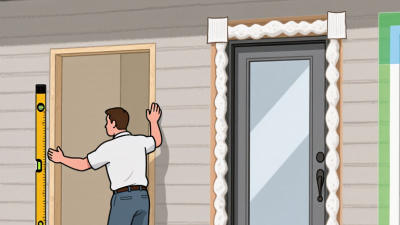
Do not overlook installation. A high-performing door can fail when the threshold is uneven or foam seals are incomplete. I have seen attractive doors develop drafts within one season because the surrounding wall was ignored. That is an uncomfortable lesson. For apartments, prioritize acoustic seals and fire-rated construction where required. For rural homes, repairable hinges and replaceable seals may offer better long-term value. The perfect door does not exist. Regional performance does.

 Questions? Give Us A Call!